I used to think that learning how to meal plan meant spending my entire Sunday afternoon hovering over a stove, surrounded by twenty different Tupperware containers and a mountain of kale that I’d inevitably end up throwing away by Wednesday. The “influencer” version of meal prepping is a total lie—it’s expensive, it’s exhausting, and it’s frankly not sustainable for anyone with a real life. If you’ve ever felt like you need a culinary degree just to avoid ordering takeout for the third time this week, I promise you, it doesn’t have to be that dramatic.
Forget the aesthetic Pinterest boards and the complicated calorie-counting spreadsheets. I’m going to show you how to master the art of how to meal plan using actual, real-world logic that fits into a chaotic schedule. We’re skipping the fluff and diving straight into the systems that actually work—the kind that save you money and sanity without turning your kitchen into a high-stress production line. This is about making your life easier, not adding another chore to your list.
Table of Contents
Mastering Meal Prep for Beginners Without the Stress
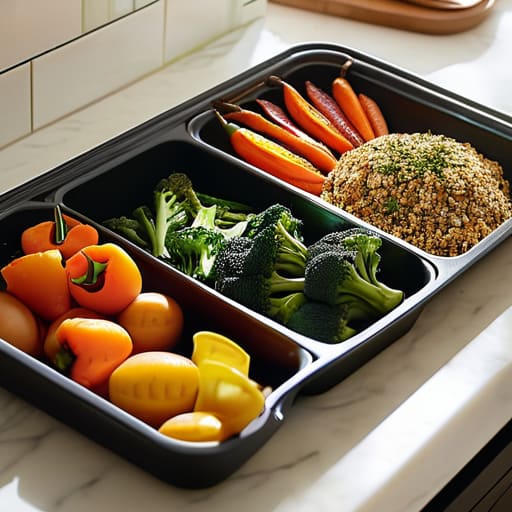
The biggest mistake most people make when starting out is trying to cook five different gourmet recipes on a Sunday afternoon. That is a one-way ticket to burnout and a pile of dirty dishes. Instead, focus on component prepping. Instead of full meals, prep the building blocks: roast a massive tray of veggies, boil a batch of quinoa, and grill some protein. This gives you the flexibility to mix and match throughout the week so you don’t feel like you’re eating the exact same Tupperware meal every single day.
To keep things from spiraling into chaos, you need to get serious about your grocery list organization. There is nothing more soul-crushing than getting halfway through the aisles and realizing you forgot the one ingredient that ties your entire week together. Group your list by store section—produce, dairy, pantry—to slash your time in the aisles. If you approach it this way, you aren’t just cooking; you’re implementing time saving kitchen hacks that actually make your life easier rather than adding another chore to your to-do list.
Budget Friendly Meal Planning to Save Your Wallet
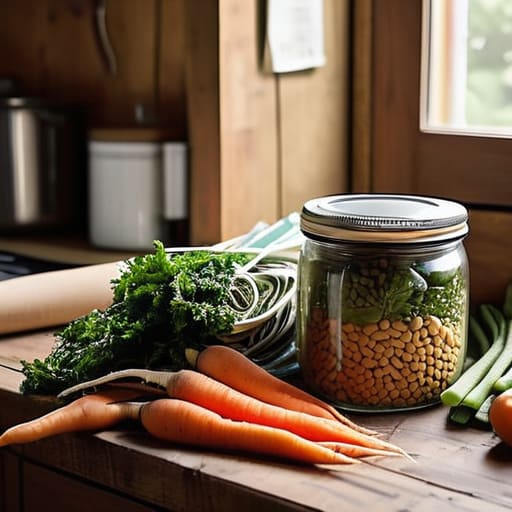
Let’s be real: the biggest lie we’re told is that eating well has to be expensive. If you walk into a grocery store without a strategy, you aren’t just buying food; you’re basically donating money to the impulse-buy aisle. To actually see a difference in your bank account, you need to master grocery list organization before you even step foot in the store. Stop buying “just in case” ingredients that end up rotting in your crisper drawer. Instead, build your plan around what’s already in your pantry and what’s currently on sale.
The real secret to budget friendly meal planning is embracing the power of staples. Think grains, beans, and seasonal veggies—items that are cheap, filling, and incredibly versatile. Instead of buying five different specialized sauces, learn to use a few base ingredients to pivot your flavors throughout the week. When you stop chasing every trendy superfood and start focusing on versatile, low-cost ingredients, you’ll realize that eating healthy doesn’t have to feel like a financial burden.
5 Pro Moves to Keep Your Meal Plan from Falling Apart
- Shop your pantry first. Before you even touch a grocery list, dig through your cabinets and see what’s actually hiding in the back. If you’ve already got three boxes of pasta and a jar of marinara, that’s your dinner for Tuesday—don’t buy more just because it’s on sale.
- Embrace the “Theme Night” hack. Decision fatigue is real, and trying to come up with five unique meals from scratch every week is exhausting. Assigning themes like Taco Tuesday or Meatless Monday narrows your choices and makes the planning process way less overwhelming.
- Cook once, eat twice. Stop trying to be a hero by making a brand-new recipe every single night. If you’re roasting chicken on Sunday, roast two extra breasts to toss into a salad or a wrap for lunch on Monday. It’s not “leftovers,” it’s efficiency.
- Build a “Safety Net” meal. Always keep the ingredients for one or two super simple, 15-minute meals on hand—think breakfast for dinner or a basic grilled cheese. There will inevitably be a night where your plan goes out the window, and you need a way to avoid the $40 takeout trap.
- Don’t overcomplicate the prep. You don’t need to spend six hours on a Sunday chopping every single vegetable in sight. Start small by just prepping your most annoying ingredients, like washing your greens or chopping onions, to make the actual cooking process smoother during the week.
The Cheat Sheet for Success
Stop trying to cook gourmet five-course meals every night; start with simple, repeatable staples that actually work for your lifestyle.
Use what you already have in your pantry before hitting the grocery store to save money and prevent unnecessary food waste.
Don’t aim for perfection on week one—just focus on making one or two small changes that keep you from staring blankly at your fridge at 6 PM.
The Real Secret to Success
“Meal planning isn’t about becoming a kitchen robot or prepping twenty identical Tupperware containers on a Sunday; it’s about reclaiming those frantic, decision-fatigued hours every week so you can actually enjoy your food instead of just surviving it.”
Writer
The Bottom Line
Look, I know it feels like a lot to juggle right now. Between mastering the basics of prep without losing your mind and figuring out how to keep your grocery bill from spiraling out of control, it’s easy to feel overwhelmed. But remember, the goal isn’t to become a professional chef overnight; it’s about building a system that actually works for your real, messy life. Whether you’re focusing on saving a few extra bucks or just trying to avoid that nightly “what’s for dinner” panic, every small win counts. Once you get the hang of these strategies, you’ll realize that meal planning isn’t just another chore on your to-do list—it’s actually your secret weapon for reclaiming your time.
Don’t feel like you have to overhaul your entire kitchen this weekend. Start small. Maybe just plan three dinners instead of seven, or try one new budget-friendly recipe this week. The beauty of this process is that it’s entirely customizable to your own rhythm. You’re going to have weeks where everything goes perfectly and weeks where you end up ordering pizza anyway, and that is perfectly okay. Just keep showing up for yourself. Before you know it, you’ll be navigating your week with a sense of calm you haven’t felt in years. Now, go grab a pen and start planning!
Frequently Asked Questions
How do I keep my meals from tasting exactly the same every single week?
The “flavor fatigue” trap is real. If every Tuesday is chicken and broccoli, you’re going to burn out by week three. The secret isn’t buying new ingredients; it’s rotating your flavor profiles. Keep your base proteins the same, but swap the seasoning kits. One week, go Mexican with lime and cumin; the next, hit up Southeast Asia with ginger and soy. Change the sauce, change the vibe, and suddenly, it’s a whole new meal.
What should I do if I plan everything out but end up ordering takeout anyway?
Look, we’ve all been there—staring at a perfectly planned container of chicken and broccoli while the DoorDash app beckons. Usually, this happens because your plan is too rigid. If you’re planning five complex recipes, you’re setting yourself up for failure. Try the “Buffer Method”: plan three solid meals and leave two nights for “emergency” leftovers or quick assembly. Give yourself permission to be lazy, or you’ll just keep hitting that order button.
Do I really need to spend my entire Sunday in the kitchen, or is there a faster way?
Look, if the thought of spending six hours hovering over a stove on a Sunday makes you want to cry, please stop. You don’t need to become a full-time sous chef to eat well. Try “component prepping” instead—roast a big tray of veggies, cook a batch of grains, and grill some protein. Throw them together in different ways throughout the week. It’s faster, way less exhausting, and actually keeps you from getting bored.
