I used to think that learning how to meal prep meant spending my entire Sunday afternoon hovering over a stove, surrounded by twenty identical plastic containers filled with nothing but bland, steamed chicken and sad, unseasoned broccoli. If you’ve ever looked at those “aesthetic” Pinterest boards and felt an immediate sense of dread, you aren’t alone—that’s not meal prepping, that’s a full-time job that nobody actually wants. Most of the advice out there is designed for people with infinite time and a passion for Tupperware collecting, not for real people trying to survive a hectic work week without spending fifty bucks on DoorDash by Wednesday.
I’m not here to sell you on a lifestyle overhaul or a complicated system that requires a culinary degree. Instead, I’m going to show you how to master the art of low-effort, high-reward eating using the actual methods that work in my kitchen. We’re going to skip the fluff and focus on practical strategies that save you time and money without making your food taste like cardboard. This is about making your life easier, not adding another chore to your list.
Table of Contents
Smart Batch Cooking Techniques for Busy Humans
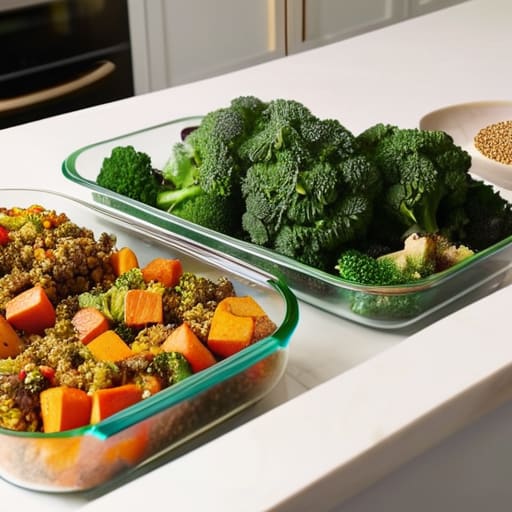
Instead of trying to cook five different recipes from scratch, start thinking in terms of “components.” This is where real batch cooking techniques come into play. Rather than making a massive lasagna that you’ll be sick of by Wednesday, just roast three trays of veggies, boil a huge pot of quinoa, and grill a mountain of chicken or tofu. When you have these versatile building blocks sitting in the fridge, you aren’t just eating leftovers; you’re assembling fresh bowls in minutes. It turns the whole process from a chore into a customizable assembly line.
To keep things from getting messy or, frankly, gross, invest in some decent meal prep containers for storage. There is nothing worse than opening a container only to find your salad has turned into a soggy, unidentifiable mess. Look for airtight, leak-proof options that actually stack well in your fridge. If you can separate your wet ingredients from your dry ones, you’ll avoid that dreaded “mush factor” that kills most people’s motivation. It’s a total game changer for making sure your food actually tastes good on Thursday.
Building Your Ultimate Weekly Grocery List for Meal Prep
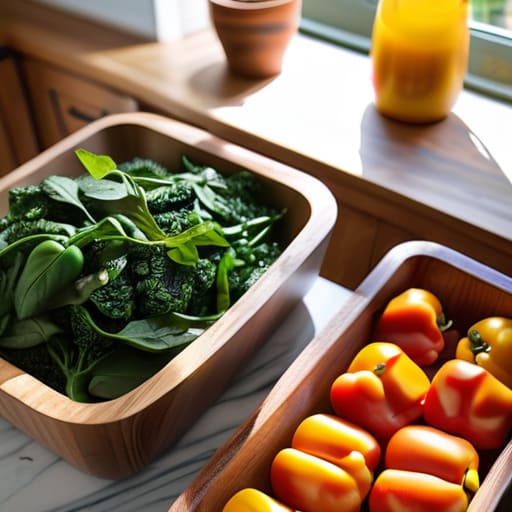
Look, the biggest mistake most people make is walking into the grocery store without a battle plan. You end up wandering the aisles, grabbing random ingredients that look good in the moment, only to realize on Wednesday that you have zero intention of actually cooking them. To avoid this, you need a solid weekly grocery list for meal prep that is built around versatility. Instead of buying hyper-specific ingredients for one single recipe, focus on “building block” items—think a big bag of spinach, three different proteins, and a versatile grain like quinoa or farro.
The real secret to staying on track is grouping your list by store section. This isn’t just about organization; it’s one of those essential time saving kitchen hacks that keeps you from zig-zagging across the produce aisle like a lost tourist. Before you head out, take a quick inventory of what you already have in your pantry. There is nothing more frustrating than buying a second jar of cumin when you already had one hiding in the back of the cupboard. Once you have your list, stick to it like glue.
5 Ways to Meal Prep Without Turning Into a Robot
- Don’t try to cook 21 meals at once. Start by just prepping your lunches for the work week; it’s a much smaller hill to climb and won’t leave you feeling burnt out by Tuesday.
- Invest in decent containers. If you’re using flimsy, mismatched plastic tubs that leak everywhere, you’re going to end up hating the whole process. Get some glass ones that actually seal.
- Embrace the “component” method. Instead of making massive trays of identical lasagna, just roast a bunch of veggies, cook a big pot of rice, and grill some chicken. You can mix and match them differently every day so you don’t get bored.
- Keep a “cheat sheet” of your go-to meals. You shouldn’t be staring at the pantry wondering what to make. Have a list of 5-6 meals you can cook in your sleep so the decision-making is already done.
- Clean as you go. This sounds like something a mom would say, but it’s real. If you leave a mountain of crusty dishes for after you’ve finished cooking, you’ll never want to do this again next week.
The TL;DR for Your Sanity
Don’t try to be a gourmet chef on Sunday; just prep a few versatile bases like roasted veggies or a big batch of grains that you can mix and match all week.
Your grocery list is your lifeline—if it isn’t written down before you hit the store, you’re going to end up buying random snacks instead of actual meal components.
Perfection is the enemy of progress; it’s better to prep three decent lunches than to burn yourself out trying to plan twenty perfect meals.
The Real Goal of Prepping
“Meal prepping isn’t about becoming a culinary robot or spending your entire Sunday in a flour-dusted trance; it’s about buying back your sanity so that when Tuesday hits and you’re exhausted, you aren’t staring blankly at a takeout menu.”
Writer
Don't Let Perfection Kill Your Progress
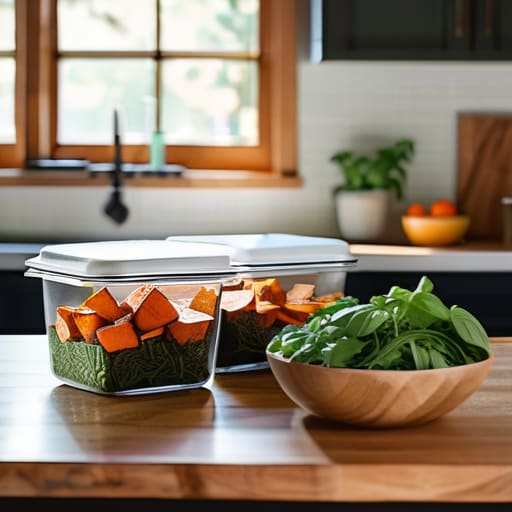
Look, you don’t need to turn your kitchen into a high-tech laboratory or spend your entire Sunday scrubbing Tupperware to make this work. At the end of the day, meal prepping is just about being a little bit smarter with your time. We talked about mastering those batch cooking techniques so you aren’t cooking from scratch every single night, and we mapped out how a solid grocery list can save you from those expensive, last-minute takeout decisions. If you can nail even just two of these habits this week, you’re already winning. It’s not about having a Pinterest-perfect fridge; it’s about building a system that actually serves your life instead of adding more chores to your plate.
If you feel overwhelmed right now, just start small. Grab one protein, one grain, and one veggie, and call it a win. You don’t have to overhaul your entire existence overnight to see the benefits of having a healthy meal ready to go when you’re exhausted. The goal here is freedom—freedom from decision fatigue, freedom from hunger-induced bad choices, and freedom to actually enjoy your evenings. So, pick a starting point, embrace the inevitable messy kitchen, and just get moving. You’ve totally got this.
Frequently Asked Questions
How do I keep my prepped food from getting soggy or tasting like cardboard by Thursday?
The secret is keeping the “wet” stuff away from the “crunchy” stuff. If you toss dressing or sauce on a salad on Sunday, you’re basically eating swamp water by Tuesday. Use separate small containers for sauces, and if you’re prepping grains or proteins, let them cool completely before sealing the lid—otherwise, that trapped steam turns everything into a mushy mess. Keep your textures separate, and your Thursday lunch won’t feel like a chore.
Do I really need to buy a bunch of expensive containers, or can I just use what I have in the kitchen?
Look, please do not go out and drop $100 on a matching set of aesthetic glass containers. That is a trap. If you have Tupperware in the back of your cupboard, use it. If you have old deli containers or even just some decent bowls and wrap, that works too. The goal here is to save time and money, not to curate a Pinterest-perfect pantry. Start with what you’ve got; upgrade only when something actually leaks.
What’s the best way to meal prep if I actually hate eating the same thing several days in a row?
The secret is “component prepping” instead of full-meal prepping. Stop making five identical containers of chicken and broccoli; it’s soul-crushing. Instead, prep versatile building blocks: one roasted protein, two different grains, and a few chopped veggies. On Monday, toss them in a bowl with tahini; on Tuesday, throw them into a wrap with some hot sauce. You’re prepping ingredients, not recipes, which gives you total control over the vibe every single day.
