We’ve all been there: it’s 6:00 PM on a Tuesday, you’re absolutely exhausted, and the last thing you want to do is stand over a stove. Instead, you end up staring blankly into a half-empty fridge before giving in to the siren call of takeout. It’s a cycle that feels impossible to break, but honestly, it’s usually just because we lack a solid game plan. Finding actual, sustainable healthy meal prep ideas shouldn’t feel like a second full-time job or a punishment involving bland, boiled chicken. You deserve to eat well without losing your mind in the process.
In this post, I’m stripping away the complexity and sharing five of my absolute favorite ways to get ahead of the week. I’m not talking about spending your entire Sunday in a kitchen trance; I’m talking about smart, efficient strategies that actually work for real life. By the time you finish reading these five points, you’ll have a clear roadmap to transform your kitchen routine from a chaotic mess into a streamlined system that saves you time, money, and a whole lot of stress.
Table of Contents
The Sheet Pan Savior
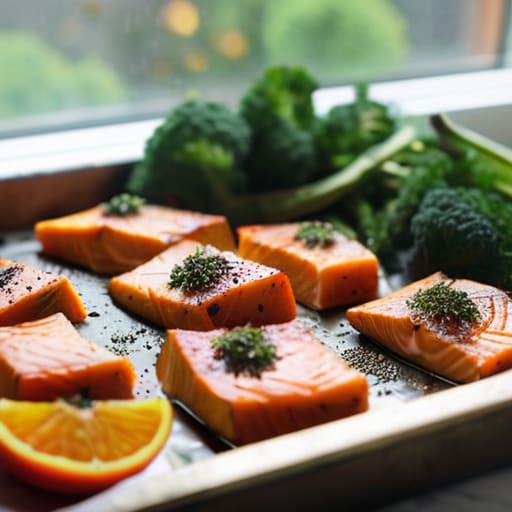
Let’s be real, nobody wants to stand over a stove for forty minutes after a long day of work. The absolute easiest way to win at meal prep is to embrace the sheet pan method. You just toss your protein—think salmon, chicken thighs, or even tofu—onto a tray with a massive pile of chopped veggies like broccoli, bell peppers, or sweet potatoes. Drizzle some olive oil, hit it with your favorite spices, and let the oven do all the heavy lifting while you actually relax.
Grain Bowls That Don't Suck
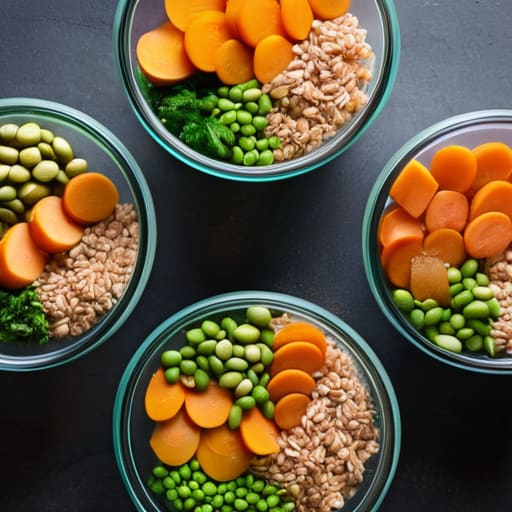
If you’re tired of eating the same sad salad every single day, you need to start building grain bowls. Instead of focusing on a single dish, you’re prepping “components” that you can mix and match. I usually spend my Sunday cooking up a big batch of quinoa, farro, or brown rice. Once you have that base ready, you just add a protein, a healthy fat like avocado, and whatever veggies you have on hand.
The Breakfast Burrito Hack
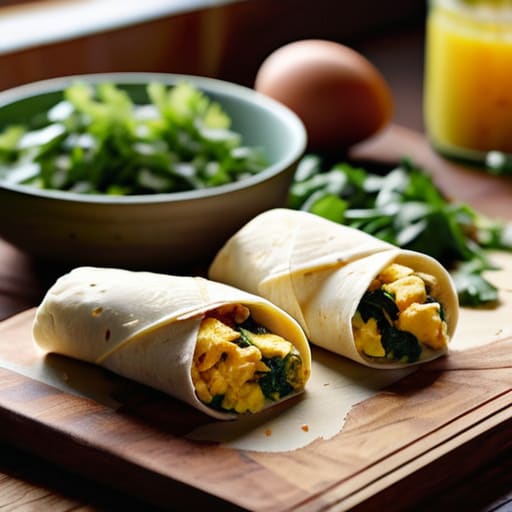
We’ve all been there: it’s 7:00 AM, you’re running late, and you end up grabbing a sugary pastry or skipping breakfast entirely. To stop that cycle, you’ve gotta start making breakfast burritos in bulk. It sounds a bit intense, but it’s actually incredibly simple. Scramble a bunch of eggs, throw in some black beans, sautéed spinach, and maybe some crumbled sausage or tempeh, then roll them all into large flour tortillas.
Soup and Stew Sundays
There is something deeply comforting about a big pot of soup, and it happens to be one of the most cost-effective ways to meal prep. When you make a massive batch of lentil soup, chili, or vegetable stew, you’re essentially cooking once and eating for four days. It’s hard to beat the nutritional density of a slow-simmered stew that’s packed with fiber and micronutrients.
Mason Jar Salad Magic
Most people hate meal-prepped salads because they end up as a wilted, soggy mess by Tuesday. If you want to keep your greens actually crisp and refreshing, you have to use the mason jar method. The trick is all about the layering. You start by putting your dressing at the very bottom, then add your “hard” ingredients like chickpeas, cucumbers, or carrots. These act as a barrier to protect the rest of the food.
The Bottom Line
Don’t try to be a gourmet chef on Sunday night; just aim to make your weekday selves a little less stressed.
Variety is your best friend to avoid that “leftover fatigue” where you end up ordering pizza anyway.
Start small with just one or two recipes so you don’t burn out and quit by week two.
The Real Secret to Staying on Track
“Meal prep isn’t about spending your entire Sunday in a kitchen trance or eating bland chicken and broccoli for five days straight; it’s about making sure your future, hungry self doesn’t make a bad decision because you were too tired to think.”
Writer
The Bottom Line
Look, meal prepping isn’t about becoming a kitchen slave or spending your entire Sunday scrubbing Tupperware. It’s really just about making sure your future self isn’t stuck eating a sad, lukewarm granola bar for dinner because you were too exhausted to cook. Whether you’re leaning into the simplicity of roasted sheet pan veggies, batch-cooking a massive pot of protein-packed chili, or finally mastering the art of the grain bowl, the goal is the same: consistency over perfection. By keeping these five ideas in your back pocket, you’re essentially building a safety net that makes choosing the healthy option feel like the easiest decision in your day rather than a chore.
Don’t feel like you have to overhaul your entire lifestyle by Monday morning. Start small—maybe just prep one breakfast or one lunch this week and see how much mental space it clears up. You’ll be surprised at how much better you feel when you aren’t constantly fighting the urge to order takeout at 7:00 PM. At the end of the day, this is about taking control of your energy and your health on your own terms. You’ve got this, so go grab some containers and just start.
Frequently Asked Questions
How do I keep my prepped meals from getting soggy or tasting weird by Thursday?
The secret is keeping the “wet” stuff away from the “dry” stuff. Don’t dump your dressing or sauce over your salad on Sunday—keep it in a tiny separate container. Also, let your cooked food cool down completely before snapping that lid shut; if you trap steam inside, you’re basically making a soggy, mushy mess. If you’re doing grains or proteins, a quick splash of water before reheating helps bring them back to life.
Do I really need to spend my entire Sunday in the kitchen, or is there a faster way?
Look, if you’re spending six hours straight hunched over a cutting board, you’re doing it wrong. You don’t need a “prep day”; you need a “prep strategy.” Try component prepping instead—roast a massive tray of veggies and cook a big batch of grains while you’re already making dinner. It’s way less intimidating and keeps the food tasting fresh rather than like leftovers from a week ago. Small wins win the long game.
What are some cheap ways to meal prep without spending a fortune on groceries every week?
Honestly, the secret is to stop buying everything on your list and start shopping your pantry first. Before you even hit the store, see what grains or canned beans you already have. Then, lean hard into “anchor ingredients”—like a massive bag of rice or a bulk pack of chicken—and just rotate the seasonings. Buying frozen veggies is also a total lifesaver; they’re cheaper, won’t rot in your crisper drawer, and are just as nutritious.
