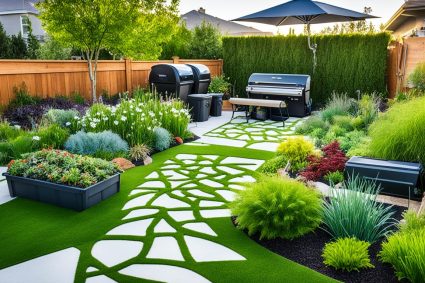
Green Yard Ideas with Eco-Friendly Artificial Turf

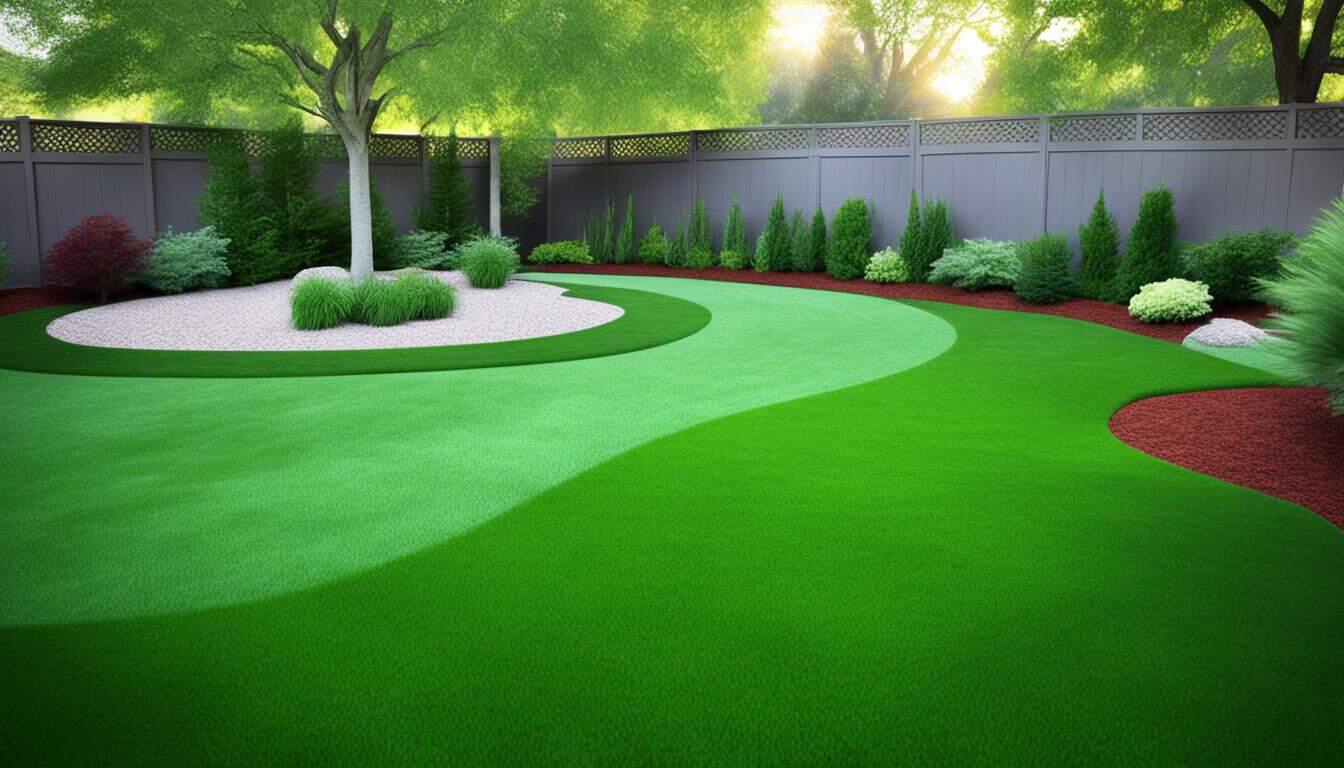
Did you know synthetic turf can last up to 25 years? It offers a long-lasting, eco-friendly lawn solution. This makes artificial grass a sustainable alternative to traditional lawns. We can have a vibrant green yard without the big environmental cost. Eco-friendly artificial turf is about more than looks; it’s a key step towards living more green.
Choosing eco-friendly artificial turf lets us make our outdoor spaces beautiful and sustainable. It saves resources and cuts down on maintenance. By using this solution, we create welcoming areas and support eco-friendly choices. This fits well with the need for sustainability in our landscaping. Let’s explore how we can make our gardens green and lush in a responsible way.
Key Takeaways
- Synthetic turf provides a long-lasting lawn solution lasting up to 25 years.
- Using eco-friendly artificial turf saves water and reduces maintenance costs.
- Eco actions in landscaping promote environmental sustainability and responsible resource use.
- Artificial turf requires minimal care, making it a practical choice for gardeners.
- Incorporating sustainable practices enhances both the aesthetic and ecological quality of outdoor spaces.
Benefits of Eco-Friendly Artificial Turf
Eco-friendly artificial turf offers a lot of advantages. It’s a great choice for those wanting a green yard without the water waste. It saves a ton of water, which is super important in dry areas. This means lower water bills and helping to stop drought.
Water Conservation
Saving water is a big reason to choose artificial turf. You get a nice lawn without needing constant watering. The turf only needs a quick rinse now and then to stay clean. I’m doing something good for the planet when I choose this turf.
Durability and Low Maintenance
Artificial turf stays looking good all year with little work. You don’t need to cut or feed it like real grass. Just a simple brush and picking up leaves is all the upkeep it needs. This makes it an affordable and easy option for a beautiful yard.
Reduced Chemical Use
Using less chemicals is another plus. No more need for bug killers or plant food, which is better for the earth. It keeps my family and nature safe from toxins, too. Choosing artificial turf is a step towards a healthier world.
Green Yard Ideas for Sustainable Landscaping
Making my yard green and eco-friendly is a fulfilling task. It’s good for the planet, too. I do this by planting native flowers and using less water.
Creating a Native Garden
Native plants do great in the local weather. They don’t need much water or chemicals. These plants are easy to take care of and help local animals, too.
I choose local plants to help save different types of bees and butterflies. This makes my garden look nice and helps the environment. It’s a win-win!
Incorporating Xeriscaping Techniques
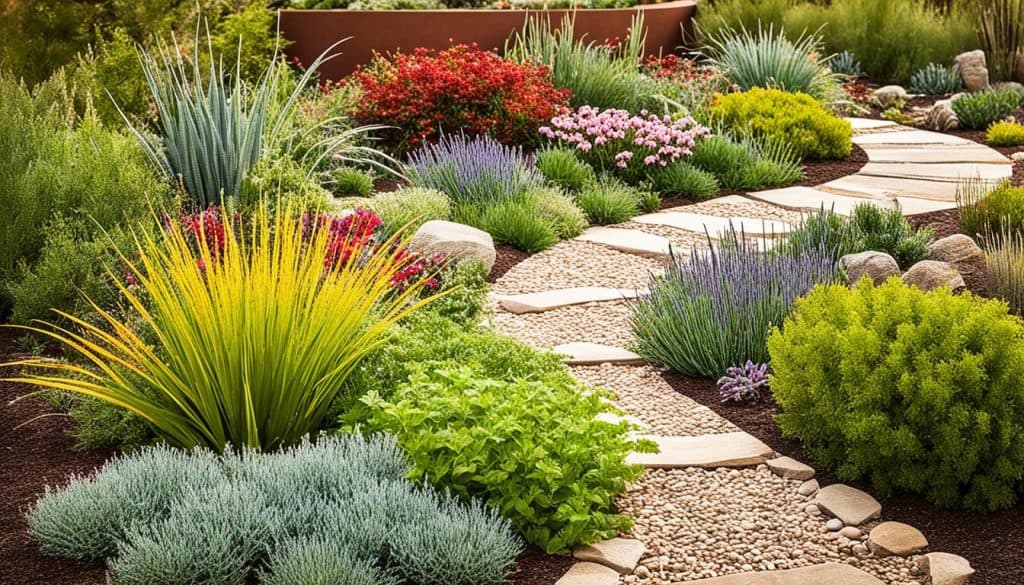
Xeriscaping is a smart way to garden in places that don’t get much rain. It involves using plants that don’t need much water and finding smart ways to water them, like collecting rain.
I love how rock gardens look and they don’t need much water either. Using plants that handle dry weather helps save water. This makes my yard look great and is better for the Earth.
Enhancing Aesthetics with Eco-Friendly Turf
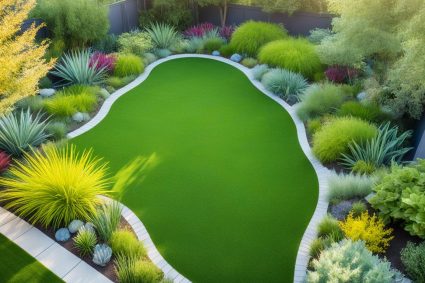
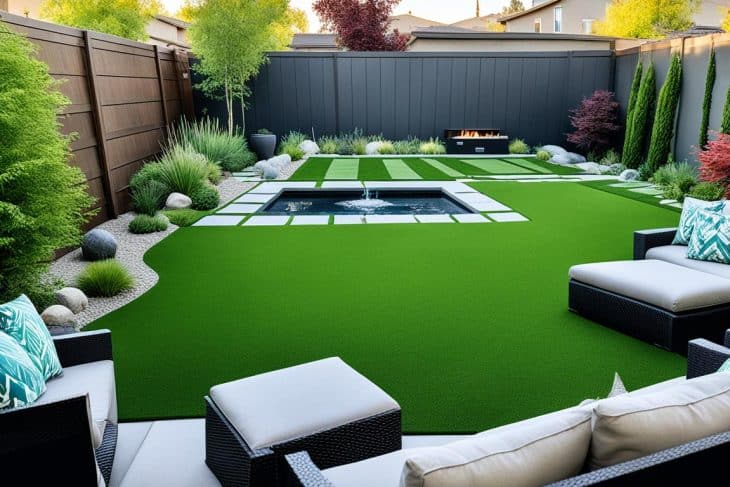
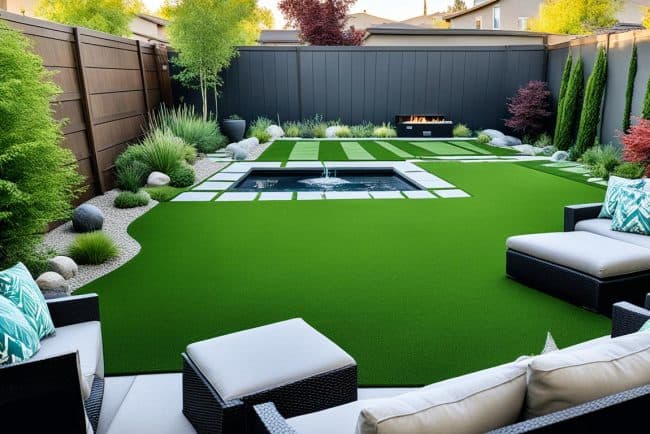
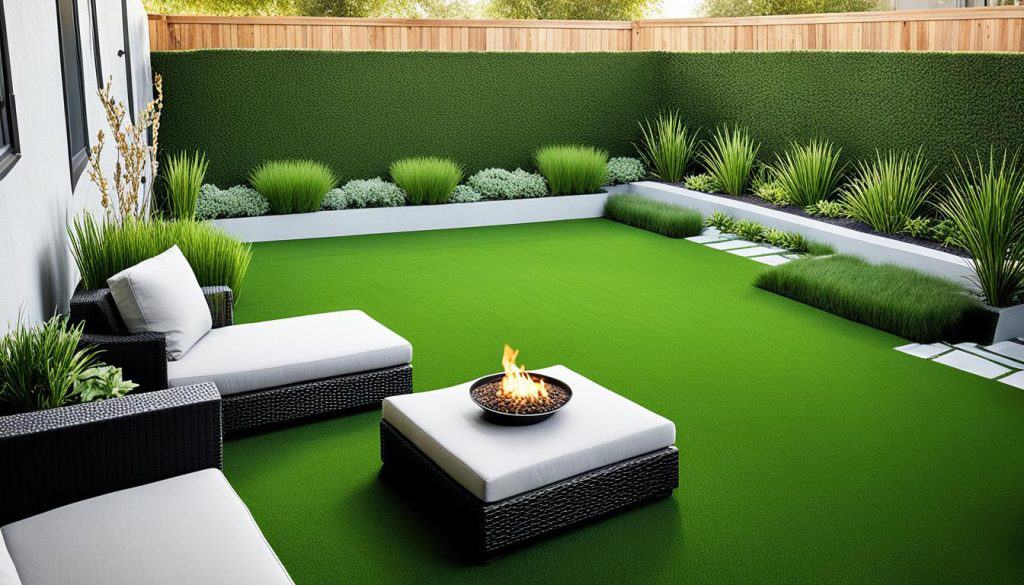
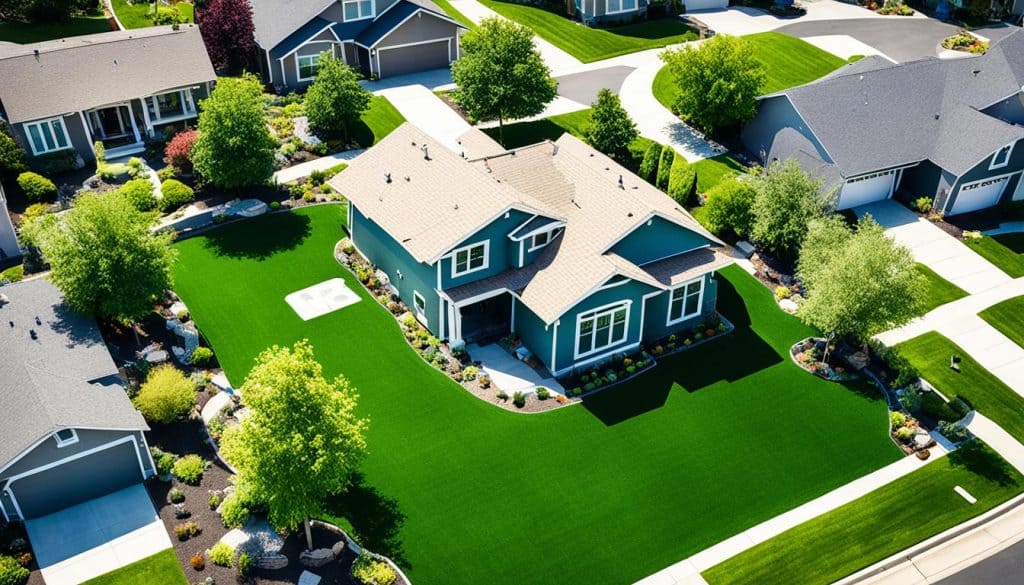
Eco-friendly artificial turf brings a big advantage by boosting how outdoor spaces look. Its year-round greenery promises a rich, lively view no matter the season or weather. My own yard gained a new life with this turf, turning bland areas into attractions.
Year-Round Greenery
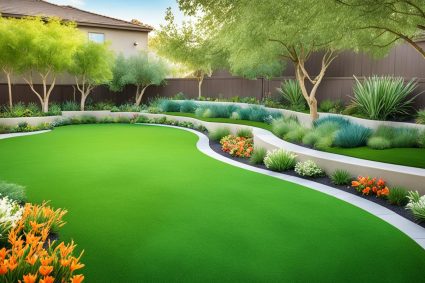
Artificial grass keeps spaces looking good all the time with little care needed. In dry places like Southern California, it’s a double win. Besides beauty, it ensures my yard is always welcoming, even in drought.
Versatility in Outdoor Spaces
With versatile landscaping, synthetic turf works well everywhere. It’s perfect in backyards, rooftops, or businesses. Pro installers help design and set up enduring, easy-care landscapes that look great.
Cost-Effectiveness of Artificial Turf
Putting your money into artificial turf is smart because it saves you more later, even though it’s pricey at first. These savings are noticeable when you think about not spending much on upkeep and water. The first cost of fake grass covers materials, work, and extra features. The quality and toughness can change the price. The cost to put it in is usually $9 to $12 for each square foot. But in the future, homeowners will save a lot more money.
Long-Term Savings
In places like Arizona, where water costs are going up, artificial turf can save a lot. For example, over 15 years, I’d save around 660,000 gallons of water by choosing synthetic grass. Keeping a real grass lawn costs thousands every year for water and care. The expense for a 1,000-square-foot real grass lawn can hit about $35,800 over 20 years.
Reduced Need for Lawn Care Equipment
Moving to artificial grass cuts down the need for lawn care tools a lot. Taking care of regular grass needs a lot of work, about 72 hours every year. This leads to more fuel use and costs for keeping equipment in good shape. However, fake grass only costs about $250 a year to keep up. Getting rid of jobs like watering, cutting, and planting new seeds shows savings over time. Also, having synthetic grass might make your home’s value go up by 7%, giving you another financial plus.
| Cost Comparison | Artificial Turf | Natural Grass |
|---|---|---|
| Installation Cost (per sq. ft.) | $9 – $12 | $1 – $2 |
| Annual Maintenance Cost | $250 | $1,690 |
| Total 20-Year Cost (1,000 sq. ft.) | $15,000 | $35,800 |
| Average Lifespan | 15 – 20 years | Varies |
Even though the first cost for artificial turf seems high, it’s a wise choice. It’s cost-effective, the upkeep and long-term value make sense for homeowners. They improve their yards efficiently.
Green Yard Ideas: Low-Impact Outdoor Living
Living a low-impact lifestyle outdoors is a great way to help our planet. Adding native plants to your yard can save a lot of water. Up to 50% less water is used, which helps local animals and plants.
Using organic mulch in your garden saves water and keeps the soil healthy. Composting turns kitchen scraps into plant food. Also, collecting rainwater cuts down our need to use more water.
Adding beauty to your yard with terraces or rain gardens is fun. Choosing long-lasting outdoor items is part of this too. By doing these things, we make our gardens lovely and eco-friendly.