I was sitting on my studio floor last Tuesday, sketching a new layout for a drought-tolerant courtyard, when I realized my mind had drifted to the chaotic mess waiting for me just beyond the kitchen door. I could almost smell the stale scent of old cardboard and the metallic tang of rusted tools—the sensory overload that usually greets me when I face my garage. Most people approach the question of how to organize your garage as if they’re preparing for a military inspection, thinking they need a mountain of expensive, plastic modular bins to find peace. But let me tell you, a sea of identical grey boxes is just organized clutter, and it does nothing to nurture the soul of your home.
I’m not here to sell you on a lifestyle of hyper-minimalism or a shopping list of overpriced shelving units. Instead, I want to share how we can apply the principles of intentional design to reclaim this neglected transition space. I’ll show you how to treat your storage like a living landscape—curating your tools and treasures so they exist in a state of functional harmony. We are going to transform that dusty void into a purposeful sanctuary that breathes alongside your life.
Table of Contents
- A Soulful Journey Your Essential Garage Decluttering Checklist
- Sculpting Order Mastering Maximizing Small Garage Space
- Designing the Blueprint: Five Principles for a Harmonious Garage Ecosystem
- The Blueprint for a Harmonious Garage
- ## The Architecture of Intent
- The Final Sketch: From Chaos to Cohesion
- Frequently Asked Questions
A Soulful Journey Your Essential Garage Decluttering Checklist

Before we dive into the heavy lifting, I find it helpful to approach this process like I would a new garden layout: with intention and a clear sense of rhythm. I pull out my weathered travel journal, grab my charcoal pencil, and sketch out a rough garage decluttering checklist to map out the chaos. We aren’t just moving boxes; we are auditing the life you’ve stored away. I like to categorize everything into “living” items—the tools and gear you use weekly—and “dormant” items that are just waiting for their next season. It’s about deciding what earns a permanent spot in your sanctuary and what simply needs to find a new home.
As you sift through the layers of dust, start visualizing the vertical potential of your walls. I often tell my clients that the floor is for movement, not for hoarding. To truly master the art of maximizing small garage space, you have to look upward. Imagine your tools and seasonal bins dancing along the walls rather than stumbling over each other on the concrete. By planning this way, we ensure that every square inch serves a purpose, turning a cramped corner into a curated, breathing part of your home.
Sculpting Order Mastering Maximizing Small Garage Space
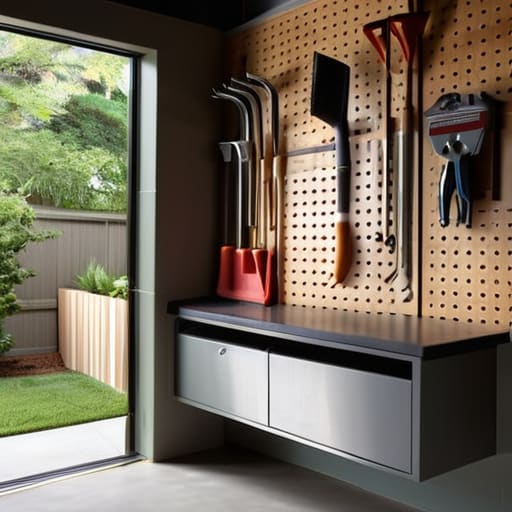
When I find myself staring at a cramped, narrow garage, I don’t see a limitation; I see a vertical landscape waiting to be cultivated. Much like how I might design a tiered rock garden to make the most of a steep hillside, we must look upward to conquer the constraints of a small footprint. By implementing strategic wall mounted storage solutions, we can effectively lift the “undergrowth” of loose tools and stray items off the ground, allowing the floor to breathe. I often think of my heavy-duty pegboards as the trellis of the garage—a structure that supports growth and keeps everything in its rightful, visible place.
To truly master the art of maximizing small garage space, we have to treat every inch as a precious resource. I’m a huge advocate for utilizing high-quality garage shelving systems that reach toward the rafters, creating a canopy of organized utility. Instead of letting items sprawl across the floor, nestle your seasonal gear into heavy duty storage bins tucked away on those upper tiers. It’s about creating a sense of rhythm and intention, ensuring that even the smallest corner feels like a curated part of a much larger, harmonious design.
Designing the Blueprint: Five Principles for a Harmonious Garage Ecosystem
- Verticality is your best friend, much like how I use trellises to guide my climbing jasmine, ‘Barnaby,’ toward the sunlight. Instead of letting everything sprawl across the floor like unkempt weeds, install heavy-duty shelving units and wall-mounted slatwalls. By lifting your tools and bins off the ground, you create a sense of visual breathing room and transform a cluttered floor into a navigable pathway.
- Curate your inventory with the intention of a botanist. Just as I wouldn’t plant a sun-loving lavender in a dark, damp corner, you shouldn’t store delicate items in damp or inaccessible spots. Group your belongings by “ecosystems”—dedicated zones for gardening, automotive care, or seasonal decor—so that every object has a natural home where it can be easily found and tended to.
- Embrace the art of transparent containment. I often find myself sketching new layouts in my journal, and I’ve learned that clarity is key to a good design. Swap those opaque, dusty cardboard boxes for clear, stackable bins. When you can see the “life” inside the container—whether it’s holiday lights or old camping gear—you eliminate the mental friction of searching and maintain a sense of organized calm.
- Lighting is the invisible architecture of any space. A dim, shadowy garage feels like a neglected thicket, but a well-lit one feels like a curated studio. Replace that single, flickering bulb with bright, LED shop lights to eliminate dark corners. Proper illumination doesn’t just help you find a stray screwdriver; it changes the entire energy of the room, making it feel like an intentional extension of your home.
- Implement a “Seasonal Rotation” ritual to keep the energy flowing. In my gardens, I’m constantly shifting focus from the spring bulbs to the autumn perennials. Apply this same rhythm to your garage: as the seasons change, move your snow shovels to the back and bring your lawn aerators to the front. This prevents the “clutter creep” that happens when we try to force every season’s needs into the same narrow window of space.
The Blueprint for a Harmonious Garage
Treat your garage like a living landscape; by categorizing your tools and treasures with intention, you transform a chaotic storage zone into a curated sanctuary that breathes with your home.
Embrace verticality and modularity to reclaim your floor space, much like how I use tiered planting in a tight urban garden to let every element find its rightful place to grow.
Maintain the rhythm of your space through consistent, mindful upkeep, ensuring your organized environment remains a functional work of art rather than a forgotten relic of clutter.
## The Architecture of Intent
“Don’t view your garage as a mere graveyard for forgotten relics and dusty boxes; instead, treat it as the foundational landscape of your home—a space where every tool and treasure is curated with the same intention I use to plant a garden, ensuring that even the most utilitarian corners breathe with purpose and grace.”
Francesco Fletcher
The Final Sketch: From Chaos to Cohesion
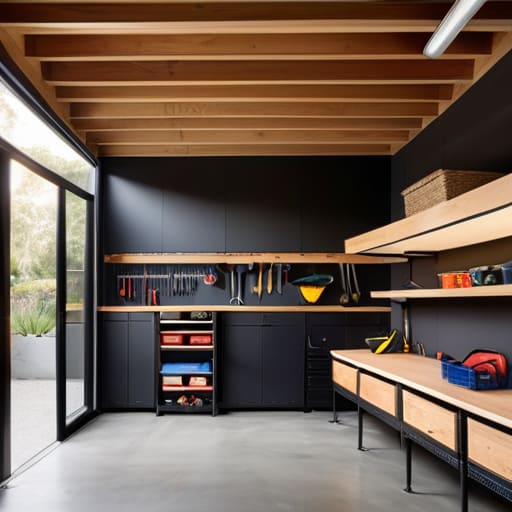
As we draw the final lines on this organizational blueprint, remember that a well-ordered garage is built on more than just clever shelving or vertical storage solutions. It is the result of a mindful journey—from that first, daunting sweep of the decluttering checklist to the strategic, sculptural placement of every tool and treasure. By treating your space with intention and maximizing every inch of your footprint, you haven’t just cleared away the clutter; you have laid the groundwork for a functional environment that supports your passions rather than hindering them. You’ve moved from a state of stagnant chaos to a curated ecosystem of efficiency, where everything has its rightful place.
I often think of my garden designs in terms of balance and breath, and your garage deserves that same level of respect. It shouldn’t feel like a graveyard for forgotten things, but rather a vibrant staging ground for your next great adventure, whether that’s a weekend woodworking project or a morning bike ride. Treat this space as a living canvas that evolves alongside you. As you step into this newly reclaimed sanctuary, I hope you feel the same sense of peace I feel when I’m sketching a new garden bed. You haven’t just organized a room; you have cultivated a space for possibility.
Frequently Asked Questions
How can I incorporate sustainable, eco-friendly materials when building out my new shelving and storage systems?
When we build, we shouldn’t leave a scar on the earth. I love reaching for reclaimed timber—it has a history, a soul, much like my old friend Barnaby, the ancient Oak in my sketches. For shelving, consider FSC-certified wood or even recycled steel. I often suggest bamboo; it grows with such fierce, sustainable energy! By choosing non-toxic, low-VOC finishes, we ensure your storage breathes as cleanly as a morning mist in the Berkeley hills.
Is it possible to transform a portion of my garage into a creative studio or "outdoor room" without sacrificing essential storage?
Absolutely! I think of it as “zoning with intention.” You aren’t losing storage; you’re evolving it. By implementing vertical modular systems and ceiling-mounted racks for those bulky garden tools, you liberate the floor. This creates a dedicated sanctuary—a “living room” for your creativity. Whether it’s a sun-drenched sketching nook or a potting station, we can curate the perimeter to hold your treasures, leaving the heart of the space free to breathe and inspire.
How do I balance the need for heavy-duty organization with the desire to keep the space feeling aesthetically pleasing and intentional?
It’s a delicate dance, isn’t it? Think of it like designing a wild meadow: you need the structural bones of heavy-duty shelving, but you don’t want them to feel like a cage. I love using uniform, earth-toned bins to soften the visual noise of tools. By grouping items into “zones” and perhaps adding a touch of greenery or a reclaimed wood workbench, you turn a storage unit into a curated studio where function meets soul.