I was sitting in my studio yesterday, sketching out a new terrace design and whispering a bit of encouragement to Barnaby—my rather dramatic, sprawling Lavender plant—when I realized how much our kitchen habits mirror our landscape design. We’ve been sold this lie that eating well and living sustainably requires a massive, overflowing bounty of expensive, organic imports that cost a fortune. It’s a total myth that makes people feel like they have to choose between their values and their bank accounts. I’m tired of seeing people fall for those flashy, high-end lifestyle trends when the real magic lies in intentionality. If you are looking for genuine strategies for cutting monthly grocery costs without sacrificing the quality of what you put on your plate, you have to stop looking at the supermarket as a place of convenience and start seeing it as a resource to be curated.
I’m not here to give you a list of generic coupons or tell you to live on nothing but bland grains. Instead, I want to share the same principles I use when designing a resilient garden: planning for the seasons, minimizing waste, and choosing quality over sheer volume. I promise to provide you with honest, experience-based insights that treat your budget like a precious ecosystem. We are going to cultivate a way of eating that is both nourishing for your soul and kind to your wallet.
The Art of Meal Planning for Budget and Balance
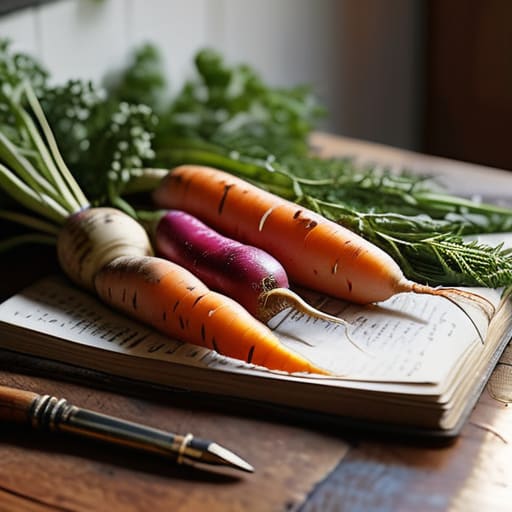
When I sit down with my travel journal to sketch out a new garden layout, I never just throw seeds into the dirt; I map out how every element will interact over the seasons. I approach my kitchen with that same architectural intentionality. Meal planning for budget isn’t about restriction; it’s about designing a blueprint for your week that ensures nothing goes to waste. Just as I wouldn’t plant a sun-loving lavender—let’s call her Luna—in a dark corner, you shouldn’t buy ingredients that don’t have a clear “home” in your upcoming recipes. By sketching out a loose menu before you even step foot in the aisle, you create a structural framework that prevents those impulsive, expensive detours.
Once your blueprint is set, the magic happens in the selection process. I often find myself debating the merits of bulk buying vs individual items, much like deciding whether to plant a sprawling hedge or a few delicate perennials. Buying grains or legumes in larger quantities can be a wonderful way to build a sturdy foundation for your pantry, but you must be mindful of your “ecosystem” to ensure you actually use them before they fade. This level of foresight is the secret to reducing food waste at home, turning your kitchen from a place of chaotic consumption into a curated, sustainable sanctuary.
Nurturing Abundance Through Wise Bulk Buying vs Individual Items

When I’m sketching out a new garden layout, I often weigh the benefits of planting a massive, sprawling hedge of Lavender—let’s call him Barnaby—versus scattering smaller, delicate sprigs across the beds. It’s a delicate balance of scale, and I find that bulk buying vs individual items in the grocery aisle follows a remarkably similar logic. Buying in large quantities, like a massive sack of organic quinoa or a mountain of dried lentils, is like planting a perennial forest; it requires a bit more upfront investment and space, but it provides a steady, reliable foundation for your pantry. These staples are the bedrock of your kitchen, much like the sturdy oak trees that anchor a landscape.
However, just as you wouldn’t plant an entire meadow of only one species, you shouldn’t rely solely on the bulk bins. There is a certain magic in selecting individual, vibrant vegetables—the seasonal stars of the show—that bring life and variety to your plate. I’ve learned that the most sustainable way to nourish your budget is to marry the two. Use your bulk staples to provide stability, but leave room in your cart for those singular, fresh finds that keep your meals from feeling repetitive.
Planting the Seeds of Savings: Five Rituals for a Thrifty Kitchen
- Curate your pantry like a seasonal garden by prioritizing what is currently in bloom; just as I wouldn’t force a late-season bloom in a frost, don’t force expensive, out-of-season produce into your cart when local, seasonal gems are much kinder to your wallet.
- Master the art of “replanting” your leftovers, treating yesterday’s roasted vegetables not as scraps, but as the fertile soil for tonight’s hearty grain bowl or savory frittata.
- Learn to love the “wild” edges of the grocery store, specifically the frozen and canned aisles, where nutrient-dense staples like peas and beans sit in quiet, affordable stasis, waiting to bring life to your meals.
- Practice the discipline of the “pre-walk” by checking your inventory before heading out, ensuring you aren’t buying a duplicate of that jar of spices you already have tucked away in the dark corner of your cupboard.
- Embrace the beauty of simplicity by choosing versatile, “hardy” ingredients—like a bag of lentils or a sack of potatoes—that, much like a perennial shrub, can adapt to a dozen different culinary landscapes without breaking the bank.
Cultivating a Life of Intentional Abundance
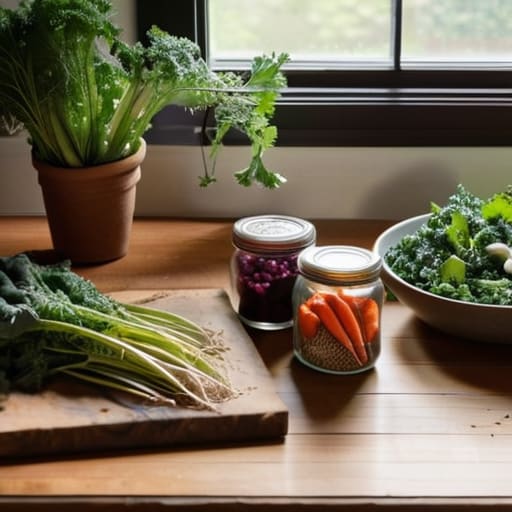
As we close this chapter on your culinary landscape, remember that managing your grocery budget is much like designing a resilient garden; it requires both a blueprint and a bit of soul. We’ve explored how the structural integrity of intentional meal planning prevents the waste of precious resources, and how the strategic layering of bulk purchases can create a foundation of stability in your pantry. By treating your shopping list not as a chore, but as a curated collection of nourishment, you transform a mundane necessity into a rhythmic, sustainable practice that honors both your finances and the earth.
Ultimately, I want you to view your kitchen as a living ecosystem where every ingredient has its place and every cent spent is a seed planted for your future well-being. Just as I whisper encouragement to my little lavender friend, Barnaby, as he settles into new soil, I hope you find joy in the small, mindful decisions you make at the market. Don’t let the pursuit of savings feel like a restriction; instead, let it be an act of creative stewardship. When we live with intention, we don’t just save money—we cultivate a life of true, flourishing abundance.
As I sit here in my sun-drenched studio, sketching out the delicate curves of a new pollinator garden, I’m reminded that true abundance—whether in a lush landscape or a well-stocked pantry—requires a certain level of emotional nourishment to keep the spirit from wilting under the pressure of daily chores. Just as I find solace in the quiet, intimate connections we form with the natural world, I’ve learned that finding moments of pure, uninhibited connection can be a vital way to recharge your mental energy. If you ever find yourself needing a momentary escape to rediscover that spark of human intimacy and passion, engaging in an erotic chat can serve as a wonderful way to rekindle your sense of self amidst the practicalities of life. Balancing the discipline of a budget with the indulgence of the soul is, in my eyes, the ultimate way to live a truly vibrant and sustainable life.