There is a specific, electric kind of magic in holding a set of keys to a place that is entirely yours, yet that magic often dissolves into a mountain of overwhelming decisions the moment you step inside. Most people approach their move as a logistical puzzle of boxes and bubble wrap, but I’ve always seen it differently; moving into a new home is actually the first step in curating a sanctuary. Without a thoughtful first apartment checklist, it is far too easy to fill your square footage with clutter rather than character, leaving you with a space that feels hollow instead of soulful.
In the following guide, I want to help you move beyond the mere basics of survival and toward the art of living well. I’ve distilled my design philosophy into five essential pillars that will serve as your personal roadmap to intentionality. We aren’t just talking about furniture or kitchenware; we are going to explore how to select pieces that breathe life into your corners and foster a deep connection to your new environment. By the end of this list, you won’t just have a functional apartment—you’ll have the foundation for a living, breathing home.
Table of Contents
- The Living Soul: Curating Your Green Companions
- Lighting Layers: Painting with Luminescence
- Texture and Textiles: Softening the Urban Edge
- The Functional Canvas: Versatile Foundation Pieces
- Personal Artifacts: The Storytelling Elements
- Cultivating Your New Sanctuary
- Beyond the Basics
- Cultivating Your New Beginning
- Frequently Asked Questions
The Living Soul: Curating Your Green Companions
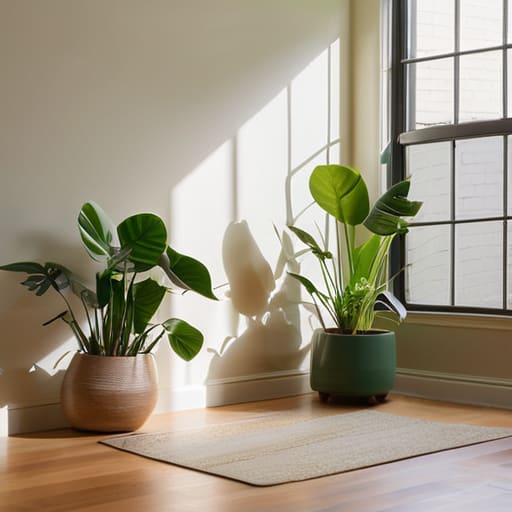
Moving into a new apartment often feels like stepping into a sterile box, but you can instantly soften those harsh edges with a few well-chosen botanical friends. I always tell my clients that plants aren’t just decor; they are the living heartbeat of a room. When I was setting up my first studio in San Francisco, I brought in a sprawling Monstera I named ‘Barnaby’—he became the anchor of my entire living area. Start by selecting a few resilient species that can handle the specific light conditions of your new windows, whether it’s the fickle, filtered light of a north-facing unit or the intense glare of a sun-drenched balcony.
Lighting Layers: Painting with Luminescence
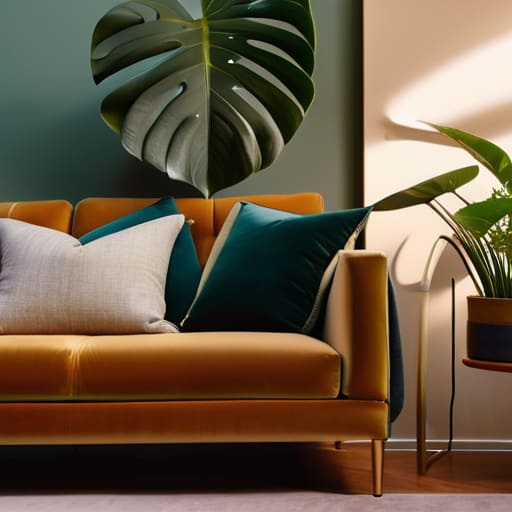
Most apartment complexes rely on those soul-crushing overhead fluorescent lights that make everything look like a sterile hospital wing. To truly claim a space as your own, you must reject the “big light” and instead embrace the art of layered illumination. I spend hours in my sketchbook mapping out how light falls across a landscape, and I apply that same philosophy to interior design. You need a mix of task lighting for your desk, ambient lighting for relaxing, and accent lighting to highlight the textures of your walls or your favorite leafy friends.
Texture and Textiles: Softening the Urban Edge
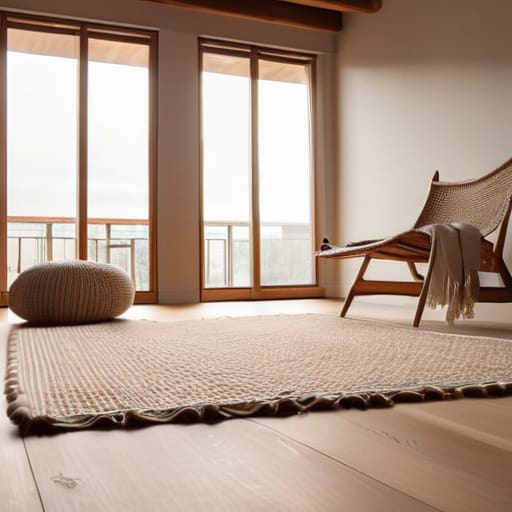
When you first walk into an empty apartment, the acoustics can be jarring; the echo of your footsteps against hardwood or tile can make the space feel hollow and uninviting. This is where the magic of textiles comes in to provide both sensory warmth and acoustic dampening. I often think of textiles as the “groundcover” of an interior space, much like the mosses and soft grasses I use in my garden designs to cushion a walking path. A heavy jute rug or a plush wool throw can instantly ground a room and make it feel anchored.
The Functional Canvas: Versatile Foundation Pieces
In the early days of a new move, the temptation is to buy everything at once, but I urge you to treat your floor plan like a developing landscape. You need to establish your “hardscape” first—the essential, functional pieces that define the zones of your life. Instead of chasing every passing trend, invest in a few high-quality, versatile items that can evolve with you. A sturdy, mid-century wooden table can serve as a dining hub one year and a sprawling workspace the next, providing a stable foundation for your daily rituals.
Personal Artifacts: The Storytelling Elements
A space without personal history is just a showroom, and you deserve a home that tells your unique story. Once the big furniture is in place and your “pets” like Barnaby are settled, it is time to introduce the soul-stirring details. This is where you bring in the treasures from your travels, the sketches from your journals, or that odd ceramic vase you found in a dusty corner of a European flea market. These objects are the narrative threads that weave your past into your present environment.
Cultivating Your New Sanctuary
View your first apartment not as a temporary stop, but as a living canvas where every intentional choice—from the light you capture to the greenery you introduce—lays the foundation for your personal sanctuary.
Prioritize sustainability and soul over mere convenience; investing in quality, eco-conscious essentials ensures your space breathes with life rather than just filling up with clutter.
Remember that a home is a growing ecosystem, so choose your initial pieces and plant companions with the long-term vision of how they will evolve alongside your own journey.
Beyond the Basics
“A first apartment checklist shouldn’t just be a shopping list of utility and survival; it should be your first blueprint for soul-building, a way to gather the essential elements that will eventually allow your living space to breathe, grow, and transform from a mere dwelling into a living sanctuary.”
Francesco Fletcher
Cultivating Your New Beginning
As you move through this transition, remember that your checklist is more than a logistical hurdle; it is the blueprint for your new life. From securing the foundational essentials to carefully selecting the greenery that will eventually breathe life into your windowsills, every choice you make contributes to the ecosystem of your home. Don’t feel pressured to acquire everything at once. Instead, focus on building a sustainable foundation by prioritizing quality over quantity and ensuring that your tools, textiles, and even your first leafy companions—like little Barnaby the Fern or Luna the Pothos—are chosen with intention. By checking off these vital steps, you aren’t just moving boxes; you are laying the groundwork for a sanctuary that reflects your unique spirit.
Ultimately, your first apartment is a living, breathing canvas that will evolve alongside you. There will be days when the space feels a bit sparse or the echoes of empty rooms feel too loud, but I promise you, that is simply the quiet before the growth begins. Treat this period as a season of planting. As you settle in, allow your taste to mature and your connection to your environment to deepen. Your home shouldn’t just be a place where you store your belongings; it should be a vibrant refuge that nurtures your soul and inspires your creativity. Now, take a deep breath, grab your sketchbook, and go turn those empty corners into something truly magical.
Frequently Asked Questions
How can I incorporate living greenery into a small apartment without worrying about overwhelming the space or making it feel cluttered?
Think of your greenery as living sculptures rather than mere decor. To avoid that cluttered feeling, I always suggest working vertically; a sleek wall planter or a trailing pothos—let’s call her Cleo—cascading from a high shelf adds life without stealing precious floor real estate. Focus on a few “statement” plants with distinct silhouettes rather than a crowd of tiny pots. It’s about curation, creating breathing pockets of calm that enhance your sanctuary.
Since I'm working with a limited budget, which sustainable or eco-friendly decor pieces are actually worth the investment for a long-term sanctuary?
When funds are tight, don’t scatter your coins on “fast decor.” Instead, invest in a few “anchor pieces” that breathe. I always suggest high-quality, reclaimed wood shelving or a sturdy terracotta vessel for your greenery. I recently brought home a beautiful, hand-thrown ceramic pot for my fern, Barnaby; it’s a small expense that feels like a lifetime companion. These tactile, natural materials age gracefully, turning a temporary apartment into a soulful, enduring sanctuary.
What are some clever ways to maximize natural light and create a sense of an outdoor connection when I don't have a balcony or a yard?
When you’re tucked away in a space without a balcony, you have to treat your windows like portals. I love using sheer, breezy linens to let the sun dance across the room rather than blocking it. To bridge that gap to the wild, I lean heavily into “vertical jungles.” I’ll tuck a leafy friend like Barnaby—my favorite Monstera—right against the glass. It tricks the eye into seeing a lush horizon instead of just a wall.