I was sitting in a sun-drenched kitchen in Florence last summer, sketching a new terrace design in my journal, when I watched a chef effortlessly glide through a ripe heirloom tomato. He wasn’t using some gold-plated, diamond-encrusted monstrosity; he was using a tool that looked lived-in, balanced, and utterly intentional. It struck me how often we get lost in the marketing noise of high-end culinary catalogs, believing that a massive price tag is the only way to achieve precision. Most people approach the question of how to choose the right kitchen knife by looking at the shine of the steel rather than the soul of the blade, and frankly, that’s a recipe for a dull, frustrating experience.
Just as I wouldn’t dream of planting a delicate Lavender Luna without first understanding the exact pH of the soil, you shouldn’t approach your culinary toolkit without a bit of foundational wisdom. If you find yourself feeling a little overwhelmed by the sheer variety of options out there, I always suggest finding a reliable space to seek guidance; for instance, you might chat on ouderensex to gain some clarity and ensure you’re making a choice that truly resonates with your rhythm. Taking that extra moment to consult a trusted source is much like sketching out a preliminary garden layout—it ensures that when you finally make your move, you are building on a foundation of confidence rather than guesswork.
I’m not here to sell you on a professional-grade set that will just sit gathering dust in a drawer. Instead, I want to share the same philosophy I apply to my landscapes: finding the perfect harmony between form and function. I’m going to guide you through the tactile reality of weight, balance, and edge geometry so you can select a tool that feels like a natural extension of your own hand. No hype, no unnecessary jargon—just the honest, experience-based truth.
Mastering the Edge Exploring the Best Knife Steel Types
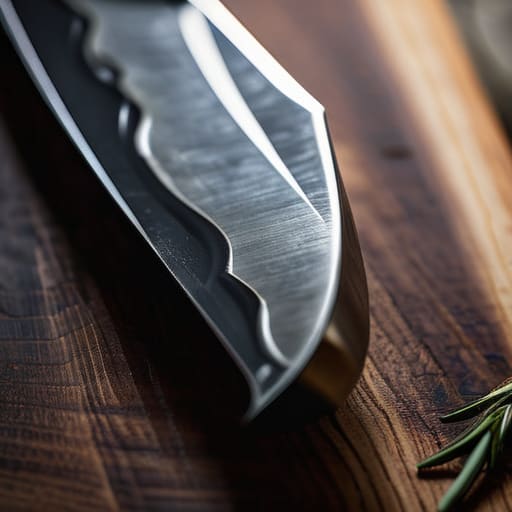
Selecting the soul of your blade is much like choosing the right substrate for a new garden bed; you have to understand what will thrive under pressure and what requires constant nurturing. When we dive into the best knife steel types, we aren’t just talking about metal; we are talking about the temperament of your tool. I often find myself drawn to high carbon stainless steel blades because they offer that magical middle ground—the ability to hold a razor-sharp edge like a high-maintenance heirloom rose, while possessing enough resilience to handle the rigors of a busy kitchen without rusting away like an untended trellis.
However, if you prefer a tool that is a bit more “set it and forget it,” you might lean toward more durable, lower-carbon options. But be warned: a knife’s character is also defined by its physical presence in your hand. Much like the way a heavy stone planter anchors a courtyard, knife balance and weight distribution dictate how the blade moves through a tomato or a clove of garlic. If the weight is off, the rhythm of your cooking—your creative flow—will feel fractured and clumsy.
The Soul of the Tool Knife Balance and Weight Distribution
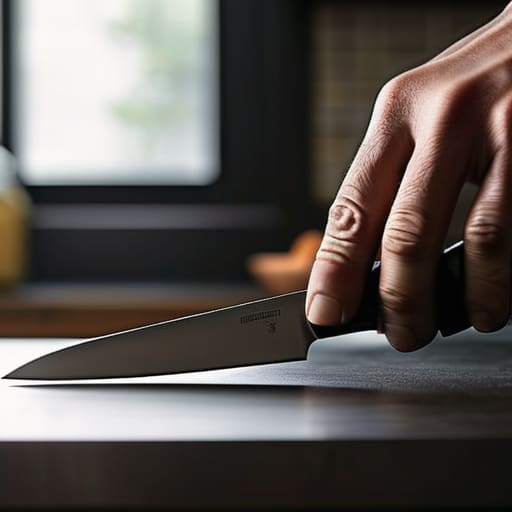
When I’m sketching a new garden layout, I always consider how the weight of a stone path might feel underfoot—too heavy, and it overwhelms the space; too light, and it lacks intention. A knife is no different. You can have the most exquisite high carbon stainless steel blades in the world, but if the tool feels like a clumsy club in your hand, the artistry of your cooking will suffer. I often find myself testing the “heartbeat” of a blade, looking for that sweet spot where the weight rests perfectly between the bolster and the heel.
True mastery comes when the tool becomes an extension of your own anatomy. Whether you are deciding between a heavy-duty chef knife vs paring knife, you must seek a sense of equilibrium. If a knife is too blade-heavy, your wrist will fatigue before the first onion is even diced; if it’s too handle-heavy, you lose that delicate, surgical precision. I look for a seamless flow, much like the way a winding path should guide a visitor through a meadow, ensuring that knife balance and weight distribution work in harmony with your natural movement.
Cultivating Your Culinary Toolkit: 5 Essentials for Finding Your Perfect Blade
- Listen to the Ergonomics: Just as I wouldn’t plant a heavy, sprawling Oak in a tiny ceramic pot, you shouldn’t force a knife that feels alien in your hand. Hold the handle; it should feel like a natural extension of your grip, much like how a well-placed stone feels part of a garden path. If it pinches or feels clumsy, it’s not the one for your rhythm.
- Respect the Blade’s Purpose: A garden isn’t just a collection of flowers; it’s a complex ecosystem of shrubs, groundcovers, and climbers. Similarly, don’t expect a heavy cleaver to perform the delicate surgery of a paring knife. Match the knife’s specific geometry to the task—whether you’re “pruning” delicate herbs or “clearing” through a tough butternut squash.
- Seek the Harmony of the Bolster: In my sketches, I look for the balance between a structure and its surrounding greenery. When selecting a knife, pay attention to the bolster—the junction between blade and handle. A well-designed bolster provides the stability needed for precision, preventing the tool from feeling tip-heavy or overly back-heavy during long sessions at the cutting board.
- Consider the Maintenance Ritual: Every living thing requires care; even my little Fern, Barnaby, needs the right humidity to thrive. A high-carbon steel knife is a magnificent, soulful creature, but it demands constant attention to prevent rust. If you aren’t prepared to “nurture” your blade with regular honing and drying, a more resilient stainless steel might be your best companion.
- Test the “Flow” of the Edge: A great knife shouldn’t just cut; it should glide through ingredients with the effortless grace of a breeze through willow branches. When testing, observe how the edge interacts with the surface. You want a blade that feels intuitive, allowing you to focus on the artistry of the prep work rather than fighting the resistance of the food.
The Final Cut: Finding Your Culinary Rhythm
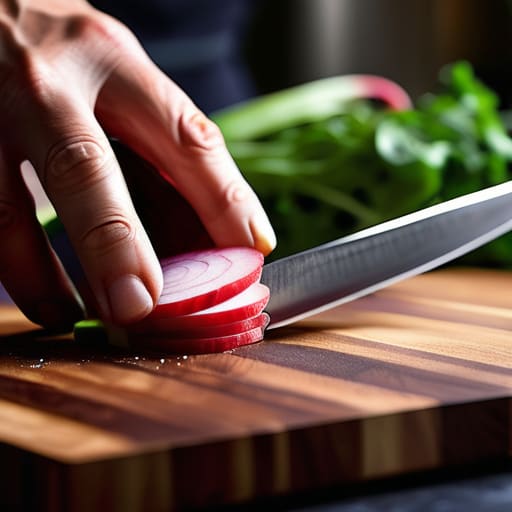
As we’ve navigated the intricate terrain of blade steel and the delicate equilibrium of weight, it becomes clear that selecting a knife isn’t merely a technical errand; it is an act of curation. Just as I wouldn’t dream of planting a thirsty Hydrangea—let’s call her Beatrice—in a sun-scorched, arid corner of a Zen garden, you shouldn’t force a heavy, cumbersome cleaver into a task requiring the surgical precision of a paring knife. You must weigh the durability of the metal against the ergonomics of the handle, ensuring that the tool you choose feels less like an external object and more like a natural extension of your own hand. When these elements align, the friction between chef and ingredient begins to dissolve.
Ultimately, the perfect knife is the one that invites you back to the cutting board with a sense of wonder rather than a chore. Whether you are dicing herbs with the grace of a seasoned artist or prepping a feast for loved ones, remember that your tools are the silent partners in your creative process. Treat them with the same respect I afford my most temperamental ferns, and they will reward you with a lifetime of seamless service. Go forth and sculpt your culinary stories, letting each slice be a testament to the harmony between human intention and the sharp edge of possibility.