I was sitting on a weathered stone bench in a small courtyard in Florence last spring, sketching out a new layout for a lavender bed I’ve named ‘Luna,’ when I realized I was inhaling a panini without actually tasting a single thing. I was so caught up in the geometry of the hedges that I had completely bypassed the sensory joy of the meal. It hit me then that we treat mindful eating like this daunting, high-maintenance spiritual discipline—something you need a mountain retreat and a silent vow to achieve. In reality, we’ve turned a fundamental human connection into just another chore on an endless to-do list, stripping the soul right out of the nourishment.
I’m not here to sell you on expensive retreats or complex rituals that require a PhD in Zen. Instead, I want to share how I apply the same principles of intentionality I use in landscape architecture to the way I approach a simple bowl of seasonal fruit. I promise to give you a grounded, no-nonsense guide to reclaiming your relationship with food, focusing on how to turn every meal into a moment of genuine, sustainable connection with the world around you.
Table of Contents
- Awakening the Senses Through Sensory Eating Techniques
- Listening to the Whispered Secrets of Hunger and Satiety Cues
- Cultivating Your Inner Garden: Five Ways to Root Yourself in Every Meal
- Cultivating Your Internal Landscape
- The Garden of the Soul
- Cultivating Your Inner Landscape
- Frequently Asked Questions
Awakening the Senses Through Sensory Eating Techniques

When I’m sketching a new garden layout, I often find myself pausing to really feel the texture of a leaf or the coolness of damp moss. I think we can apply that same tactile reverence to our meals. To truly practice sensory eating techniques, we have to treat our plates like a landscape waiting to be explored. Before you even take a bite, I want you to look at your food as if you were observing a rare bloom in the wild. Notice the deep crimson of a beet or the way light dances off a drizzle of olive oil. By engaging your eyes and nose first, you aren’t just consuming fuel; you are participating in a ritual of appreciation.
As you begin to eat, try to slow down the pace, much like the way a vine creeps across a trellis. Pay close attention to the shifting textures—the crunch of a radish versus the velvet softness of an avocado. This heightened awareness is a powerful tool for reducing distracted eating, as it pulls your focus away from the digital noise of your phone and back into your own body. When you truly taste the nuances, you begin to listen to your internal rhythm, learning to honor your body’s natural signals with grace and intention.
Listening to the Whispered Secrets of Hunger and Satiety Cues
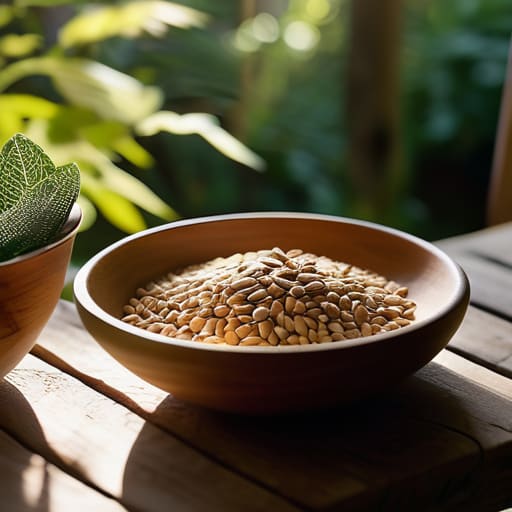
When I’m out in the field, sketching a new terrace design, I’ve learned that you can’t force a garden to bloom before it’s ready; you have to listen to the soil. Our bodies operate with that same subtle, rhythmic intelligence. We often treat our hunger like a nuisance to be silenced or a command to be obeyed without thought, but there is a profound artistry in tuning into our actual hunger and satiety cues. It’s about distinguishing between a true physiological need and that restless, hollow ache that often stems from stress or boredom.
I like to think of this process as tending to a delicate perennial. Just as I might whisper to “Barnaby,” my stubborn Japanese Maple, to check if his roots need more water, we must check in with ourselves before reaching for a snack. Developing this level of emotional eating awareness allows us to pause and ask: “Am I actually hungry, or am I just seeking comfort in the midst of a chaotic day?” By honoring these internal signals rather than drowning them out with digital noise, we transform nourishment from a mindless chore into a purposeful, restorative ritual.
Cultivating Your Inner Garden: Five Ways to Root Yourself in Every Meal
- Designate a Sacred Space for Sustenance: Just as I wouldn’t sketch a complex garden layout on a crowded subway, try to step away from the digital noise of your phone or laptop. Create a dedicated “niche” for your meal—a quiet corner or a sun-drenched table—where the only agenda is to be present with what you are nourishing.
- Honor the Seasonality of Your Plate: I often find myself whispering to my Lavender, “Barnaby,” about how much he loves the summer sun; similarly, try to connect with the rhythm of the earth by choosing seasonal ingredients. Eating what is currently thriving in the soil helps you align your body’s internal clock with the natural world.
- Slow Down the Growth Process: In landscape architecture, you can’t rush a perennial to bloom, and you shouldn’t rush your digestion either. Treat each bite like a delicate new sprout; chew thoroughly and allow the textures to unfold on your palate, giving your mind time to catch up with your body.
- Practice Visual Appreciation: Before I plant a new specimen, I spend time studying its silhouette and color. Do the same with your food. Before the first bite, take a moment to admire the vibrant hues of a roasted beet or the intricate patterns of a grain bowl, turning your plate into a living canvas.
- Engage in a Ritual of Gratitude: Every time I finish a design, I take a moment to appreciate the elements that came together to make it possible. Before you eat, offer a silent moment of thanks to the farmers, the soil, and the sun that conspired to bring that meal to your table, transforming a routine task into a soulful connection.
Cultivating Your Internal Landscape
Treat every meal like a new garden installation—slow down, observe the vibrant textures and colors on your plate, and allow yourself to truly inhabit the moment rather than rushing through it.
Learn to tune into your body’s subtle rhythms, much like I listen to the quiet shifts in a garden’s microclimate, to distinguish between true, nourishing hunger and the mere habit of eating.
Foster a deep sense of gratitude for the life force within your food, transforming a routine necessity into a soulful ritual that honors both your well-being and the earth that provided it.
The Garden of the Soul
“Just as I wouldn’t dream of planting a seedling without first feeling the texture of its soil and listening to the rhythm of the seasons, we must learn to approach our nourishment with the same reverence—treating every meal not as a task to be completed, but as a delicate, living ecosystem of flavor and presence that deserves our full attention.”
Francesco Fletcher
Cultivating Your Inner Landscape
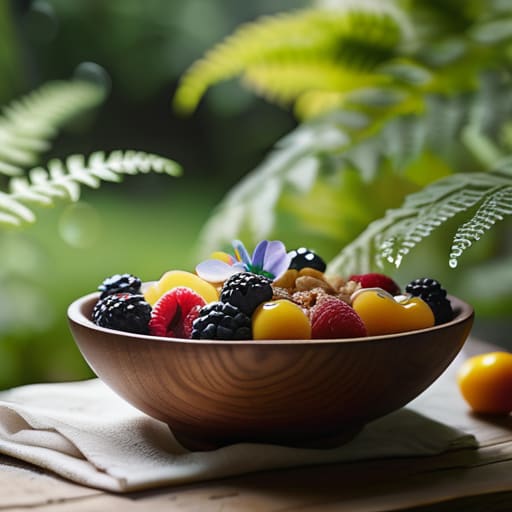
As I sit here in my studio, sketching out a new courtyard design, I’m reminded that mindful eating is much like tending to a delicate garden. We’ve explored how to engage our senses to truly taste the vibrant colors of our food, and how to tune into those quiet, internal signals of hunger and fullness that we so often ignore in our busy lives. Just as I wouldn’t dream of planting a rare fern like Barnaby without ensuring he has the perfect soil and light, we cannot expect our bodies to thrive if we treat our nourishment as an afterthought. By honoring the rhythm of our hunger and embracing sensory awareness, we transform a mechanical necessity into a meaningful ritual of self-care.
Ultimately, this journey isn’t about perfection or strict rules; it is about fostering a deeper, more compassionate relationship with the life force that sustains us. Think of every meal as a chance to plant a seed of intention in the garden of your soul. When we slow down, we allow ourselves to truly inhabit the present moment, finding beauty in the simple textures and fleeting aromas of the season. I hope you leave this space feeling inspired to nurture your own internal ecosystem with the same love and curiosity I give to my most cherished botanical friends. Let your dining table become your most sacred landscape of connection.
Frequently Asked Questions
How can I practice mindful eating when I'm constantly rushing through a busy workday or eating on the go?
Even in the chaos of a workday, you can create a tiny sanctuary for your senses. Think of it like a pocket garden. If you’re eating on the go, choose one “anchor” moment: perhaps it’s the first three bites where you focus entirely on the texture and temperature, or the way the aroma hits you before the first swallow. Don’t let your meal become just another task to check off; treat it as a brief, necessary intermission.
Can mindful eating help me rebuild a healthier relationship with food if I've struggled with emotional eating in the past?
Think of your relationship with food like a neglected garden. When emotional eating takes root, it’s often because we’ve stopped tending to the soil of our emotions. Mindful eating allows you to pause and observe those “weeds”—the sudden urges born of stress or sadness—without letting them take over. By gently observing your cravings instead of reacting to them, you can replant seeds of intentionality, slowly cultivating a more harmonious, nourishing connection.
Are there specific ways to involve the whole family in mindful eating so it feels like a shared ritual rather than a chore?
Think of your dinner table like a communal garden; it thrives when everyone participates in the tending. Instead of making it a lecture, turn it into a sensory exploration. Ask the kids to describe the “landscape” of their plate—is the broccoli a tiny forest? Is the sauce a golden river? When we name the textures and colors together, we transform a routine meal into a shared ritual of discovery, much like how I introduce my new seedlings to the world.