I was hunched over my drafting table last Tuesday, trying to sketch a new trellis for a client, when I realized I was doing it again—letting the chaos of a dozen unread, demanding emails bleed into my creative sanctuary. I looked over at Barnaby, my sprawling Monstera who usually keeps me grounded, and felt this sudden, sharp ache of exhaustion. It’s a feeling I know many of you carry: that heavy, suffocating sensation of being spread so thin that you’re practically translucent. We often treat our energy like an infinite resource, but if you don’t learn how to set healthy boundaries, you’ll find yourself as depleted as a garden in a mid-August drought, waiting for a rain that never comes.
I’m not here to give you some sanitized, corporate checklist or a series of hollow affirmations that sound like they were plucked from a generic wellness app. Instead, I want to share what I’ve learned from years of designing living ecosystems: that structure is what allows beauty to thrive. I’m going to show you how to cultivate your own personal perimeter with the same intentionality I use to design a sustainable urban oasis. We’re going to talk about the practical, sometimes messy art of pruning away the excess so you can finally protect your inner landscape and let your true self bloom.
Table of Contents
- Identifying Boundary Violations Like Weeds in a Sacred Garden
- Mastering Communication Skills for Setting Limits With Grace
- Pruning for Growth: Five Essential Techniques to Shape Your Personal Ecosystem
- Tending to Your Inner Ecosystem: The Final Harvest
- The Architecture of the Soul
- Tending to the Long-Term Landscape
- Frequently Asked Questions
Identifying Boundary Violations Like Weeds in a Sacred Garden
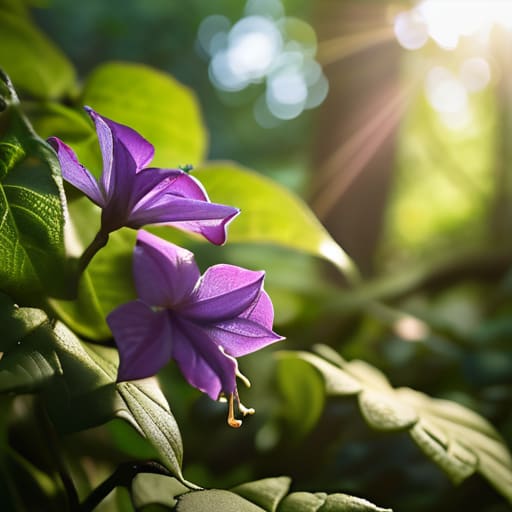
When I’m out in the field, sketching a new layout in my journal, I always keep a sharp eye out for invasive species. You know the ones—the weeds that look harmless at first but quickly choke out the delicate perennials I’ve spent weeks planning. In the landscape of our lives, identifying boundary violations feels remarkably similar. It often starts with a subtle encroachment: a friend who consistently calls late at night when you’re exhausted, or a colleague who treats your personal time like an open meadow for their emergencies. These aren’t just minor inconveniences; they are the creeping ivy of disrespect that can slowly suffocate your sense of self.
I often find myself whispering to Barnaby, my sturdy Japanese Maple, about how even the strongest trees need space to stretch their roots. If we don’t recognize these emotional boundary examples early on, we risk becoming overgrown by the demands of others. You might feel a sudden, inexplicable sense of resentment or a heavy fatigue that no amount of sleep can fix. That’s your internal ecosystem signaling that a weed has taken hold. Recognizing these signals is the first step toward maintaining mental health through boundaries, ensuring your inner garden remains a sanctuary rather than a battlefield.
Mastering Communication Skills for Setting Limits With Grace
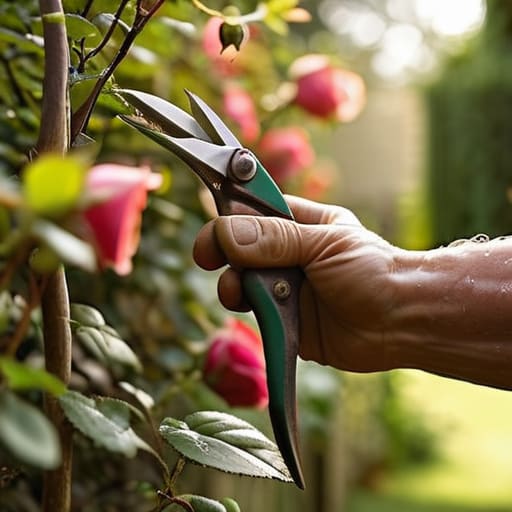
Once you’ve identified those invasive weeds, you can’t just yank them out blindly; you need a delicate touch, much like pruning a sensitive rosebush without damaging the main stem. This is where communication skills for setting limits become your most vital tool. I often think of a conversation as a trellis—it should provide structure and support, not act as a cage. When you approach someone to establish a limit, do so with the clarity of a well-drawn blueprint. Instead of being blunt or defensive, try using “I” statements to describe your needs. For instance, instead of accusing someone of overstepping, you might say, “I feel a bit overwhelmed when our calls run late into the evening, so I need to wrap up by 9:00 PM to recharge.”
Learning how to say no without guilt is perhaps the most difficult part of this seasonal transition. It feels counterintuitive, almost as if you are denying sunlight to a growing seedling, but a firm “no” is often the very thing that allows a relationship to thrive in the long run. By being transparent about your capacity, you aren’t building a wall; you are simply defining the perimeter of your sanctuary. This kind of honest relationship boundary setting ensures that when you do say “yes,” you are doing so from a place of abundance rather than depletion.
Pruning for Growth: Five Essential Techniques to Shape Your Personal Ecosystem
- Define Your Garden’s Perimeter: Before you can tell others where they can step, you must know your own terrain. Take some time with your journal to map out your non-negotiables—those sacred spaces in your time, energy, and emotions that are off-limits to intrusion.
- The Art of Gentle Pruning: Setting a boundary doesn’t require a heavy-duty chainsaw; sometimes, a light, decisive trim is more effective. Learn to say “no” to extra commitments with the same grace I use when shaping a delicate hydrangea, ensuring you protect your core strength without causing unnecessary wreckage.
- Watch for the Creeping Vines: Be mindful of those “slow-growth” violations—the small, incremental ways people might overstep. Just as an invasive ivy can quietly choke the life out of a prize-winning rose, small, unaddressed boundary slips can eventually overwhelm your entire sense of self.
- Nourish Your Soil with Self-Compassion: You cannot maintain a thriving landscape if the ground beneath you is depleted. Setting boundaries often feels uncomfortable at first, like tilling rocky soil, but you must treat yourself with kindness during the process to ensure your resilience remains deep and rich.
- Create a Sustainable Ecosystem: Boundaries aren’t just walls; they are the structures that allow healthy relationships to flourish. By establishing clear limits, you aren’t shutting people out; you are actually designing a more stable environment where everyone knows exactly how to interact with you without causing erosion.
Tending to Your Inner Ecosystem: The Final Harvest
Treat your boundaries not as rigid stone walls, but as living trellises that provide the necessary structure for your personal growth to climb toward the sun.
Regularly audit your social landscape to prune away the energy-draining “weeds” of toxic interactions, ensuring your precious mental nutrients are reserved for the relationships that truly nourish you.
Remember that setting a limit is an act of stewardship; by protecting your own soil, you ensure you have the vitality to offer beauty and shade to the world around you.
The Architecture of the Soul
Setting a boundary isn’t about building a cold, stone wall to keep the world out; it’s about designing a purposeful trellis that directs your energy toward the sun, ensuring your most precious blooms aren’t choked by the shadows of others.
Francesco Fletcher
Tending to the Long-Term Landscape
As we close this chapter of our design process, remember that setting boundaries isn’t a one-time landscaping project; it is a continuous cycle of maintenance and care. We’ve learned to identify those invasive weeds that choke our energy, and we’ve practiced the delicate art of pruning our communications to ensure our needs are heard without causing unnecessary damage to the surrounding ecosystem. Just as I wouldn’t dream of leaving a newly planted garden to fend for itself against a sudden drought, you cannot expect your emotional well-being to thrive without consistent, intentional protection. By establishing these clear perimeters, you aren’t building walls to shut the world out, but rather cultivating a sanctuary where your true self can finally take root and flourish.
I often find myself sitting quietly in my studio, sketching out how a simple trellis might support a climbing vine, and I’m reminded that even the most beautiful structures need support to reach toward the sun. Your boundaries are that very trellis. They provide the framework that allows your passions, your relationships, and your spirit to climb higher than they ever could in a chaotic, unmanaged thicket. Don’t be afraid to pick up your shears and make those difficult cuts if they serve the greater health of your soul. Trust the process, be patient with your growth, and remember that a well-tended life is the most beautiful masterpiece you will ever design.
Frequently Asked Questions
How do I distinguish between a boundary that protects my peace and a wall that unintentionally isolates me from the people I love?
Think of it like this: a boundary is a trellis, designed to support and guide growth toward the sunlight. It creates structure so that your relationships can climb higher without collapsing. A wall, however, is a concrete barrier that blocks all light and air. If your limit allows for connection once the “weeds” are cleared, it’s a boundary. If it shuts out the very possibility of warmth, you’ve built a wall.
What should I do if someone reacts to my new boundaries like a sudden frost, trying to wither my resolve or make me feel guilty for changing the landscape of our relationship?
When a sudden frost hits—when someone meets your boundaries with guilt or anger—remember that even the hardiest perennials face harsh seasons. This reaction isn’t a sign that your design is flawed; it’s a sign that the ecosystem is adjusting to a new climate. Don’t retreat into the greenhouse of old habits. Stand firm in your design. If they refuse to adapt to this new, healthier landscape, you may need to consider more protective fencing to preserve your core.
Is it possible to maintain these boundaries long-term without feeling like I'm constantly "pruning" my life too aggressively?
That’s a beautiful concern, and honestly, it’s one I grapple with every time I pick up my shears. Think of it this way: you aren’t performing a constant, violent amputation; you’re practicing stewardship. Just as I wouldn’t prune a young sapling into submission, you shouldn’t prune yourself into isolation. True boundaries aren’t about cutting people out, but about creating the structure that allows your most meaningful connections to thrive without being choked by chaos.