I still remember sitting in my grandmother’s kitchen, watching her toss handfuls of herbs into a simmering pot like she was performing some kind of culinary magic. There was no measuring spoon in sight, no “precise gram-weight” of cumin, and absolutely no textbook telling her what to do. She just knew. Looking back, I realize that most of the fancy, overcomplicated tutorials you see online about how to season food are complete nonsense designed to sell you expensive spice kits you don’t actually need. You don’t need a chemistry degree or a $50 jar of saffron to make something taste incredible; you just need to stop being afraid of your own palate.
I’m not here to give you a lecture or a list of “scientific ratios” that fall apart the moment you actually turn on the stove. Instead, I’m going to share the unfiltered, real-world lessons I’ve learned from years of making massive mistakes so you don’t have to. We’re going to strip away the pretension and focus on the actual mechanics of flavor. By the time we’re done, you’ll have the confidence to trust your gut and finally stop eating boring, lifeless meals.
Table of Contents
Essential Spice Cabinet Staples Every Chef Needs
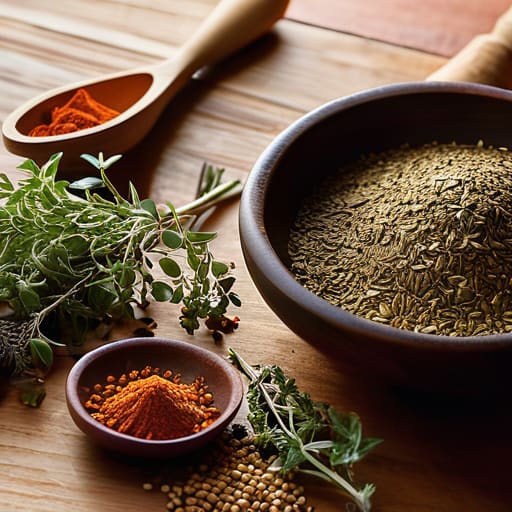
Look, you don’t need a massive, overwhelming collection of exotic powders to make a meal taste professional. In fact, most amateur cooks clutter their shelves with stuff they’ll only use once a year. To master the art of layering flavors in cooking, you really only need a handful of heavy hitters that work across almost any cuisine. Start with the basics: smoked paprika for depth, cumin for that earthy warmth, and a solid collection of dried oregano and thyme.
The biggest mistake I see is people confusing the difference between spices and herbs. Remember, spices come from seeds, bark, or roots and usually need heat to wake them up, while herbs are the leafy bits that often taste best when added toward the end. If you have these basics dialed in, you’re already halfway to enhancing natural food flavors without even trying. Don’t overthink it—just get the good stuff in your pantry, and the rest will follow.
The Secret to Enhancing Natural Food Flavors
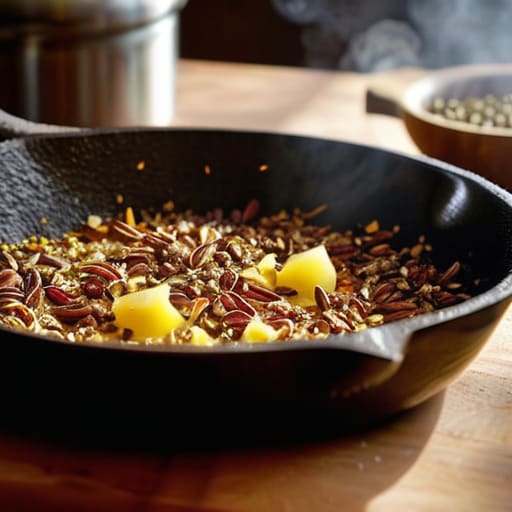
The biggest mistake people make is thinking seasoning is just about dumping salt on top of a finished dish. If you want to actually unlock the potential of your ingredients, you have to start thinking about layering flavors in cooking from the very beginning. Instead of treating spices like a final garnish, try incorporating them into your aromatics—like sautéing onions with cumin or garlic—to build a foundation. This creates a depth of flavor that you simply can’t achieve by just sprinkling things on at the end.
Once that base is set, you need to master the art of balancing salt, acid, and fat. This is the real “secret sauce” that separates home cooks from pros. If a dish feels heavy or dull, don’t just add more salt; try a squeeze of lemon or a splash of vinegar. That hit of acidity cuts through the richness and makes the existing flavors pop. It’s about finding that perfect equilibrium where no single ingredient overpowers the others, but instead, they all work together to make the food taste vibrant and alive.
5 Pro Moves to Level Up Your Seasoning Game
- Season in layers. Don’t just dump everything on at the very end. Hit your meat with salt before it hits the pan, add your dried herbs halfway through, and finish with fresh zest or salt right before serving. It builds a depth of flavor that one single sprinkle just can’t touch.
- Taste as you go. This sounds obvious, but most people wait until the dish is plated to realize it’s bland. Keep a clean spoon handy and taste your sauce or grains at every stage. You can always add more, but you can’t take it back once it’s in there.
- Learn the difference between salt and spice. Salt isn’t a flavor; it’s a volume knob that turns up the flavors already present. Spices, on the other hand, actually add new notes. If your food tastes “flat,” you probably need salt. If it tastes “boring,” you need spice.
- Don’t fear the acid. If you’ve seasoned a dish perfectly but it still feels heavy or “missing something,” it’s likely not a salt issue—it’s an acid issue. A squeeze of lemon or a splash of vinegar acts like a spotlight, cutting through fat and making everything pop.
- Bloom your spices in fat. If you’re using dried spices like cumin, paprika, or coriander, don’t just toss them into a liquid. Sauté them in oil or butter for about 30-60 seconds first. This “blooming” process releases the essential oils and prevents that raw, dusty taste.
The Golden Rules of Flavor
Stop being stingy with your salt—season as you go, not just at the end, to build layers of flavor rather than just making things salty.
Build a foundation with high-quality staples like smoked paprika or cumin, but don’t be afraid to experiment with fresh herbs to brighten things up.
Always taste your food mid-process; you can’t fix a bland dish once it’s already on the plate, so adjust the seasoning while you still have control.
The Golden Rule of Flavor
“Seasoning isn’t about masking what’s on your plate; it’s about having the guts to let the ingredients finally speak for themselves.”
Writer
Stop Playing It Safe
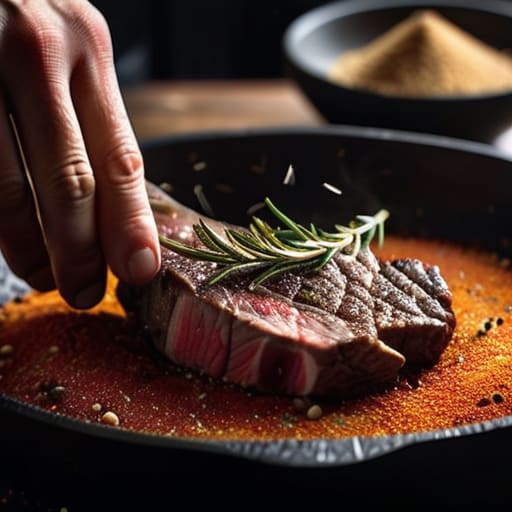
At the end of the day, mastering seasoning isn’t about memorizing a complex chemistry textbook; it’s about understanding how to work with the ingredients already sitting on your counter. We’ve covered the essentials—from building a killer spice cabinet that actually works to learning how to pull those hidden, natural flavors out of your proteins and veggies. Remember, it’s a balancing act. You need that foundational salt to wake everything up, but you also need those layers of aromatics and spices to give the dish its soul. Don’t just follow a recipe blindly; use these principles to taste as you go and adjust until it hits that perfect sweet spot.
If there is one thing I want you to take away from this, it’s that seasoning is a skill you learn through your taste buds, not through a measuring spoon. You are going to over-salt things sometimes, and you’re going to go way too heavy on the cumin once in a while. That is exactly how you learn. Stop being afraid of making a mistake and start trusting your instincts. Cooking should be an adventure, not a chore, and once you stop being intimidated by the spice rack, you’ll realize that you have the power to turn even the most boring meal into something absolutely legendary.
Frequently Asked Questions
How do I know if I've added too much salt without ruining the whole dish?
The panic is real, but don’t toss the whole pan just yet. If you realize you’ve gone overboard, your best bet is to dilute. If it’s a soup or sauce, add more unsalted liquid or a splash of heavy cream to mask the sting. If you’re dealing with a solid dish, toss in some starch—like a potato—to soak up some of that excess. Lastly, a squeeze of lemon juice or a dash of vinegar can help balance the saltiness out.
Is there a difference between seasoning while cooking versus seasoning right before serving?
Think of it like this: seasoning while cooking builds the foundation, while seasoning at the end provides the punch. If you only salt at the very end, you’re just coating the surface; the flavors won’t penetrate the meat or the veggies. But if you salt too early or too heavily during a long simmer, things can get funky. My rule of thumb? Season in layers while you cook to build depth, then hit it with a final pinch of flaky salt right before serving to make those flavors pop.
Can I use pre-mixed spice blends, or is it always better to mix my own?
Look, there’s no shame in grabbing a high-quality pre-mixed blend when you’re in a rush or short on ingredients. It’s a massive time-saver. But if you want to actually master flavor, learning to mix your own is a game changer. Homemade blends let you control the salt levels and tweak the heat to your exact liking. Use the store-bought stuff for convenience, but build your own when you want something truly special.
