I still remember standing in my tiny studio apartment kitchen at 7:00 PM, staring down a pile of unwashed, muddy carrots and feeling like I was about to lose a fight with a grocery bag. The sheer intimidation of it all—the sticky residue, the dull knives, and the looming question of how to prep vegetables without turning my entire kitchen into a disaster zone—used to make me want to just order pizza and call it a day. I wasn’t a chef; I was just a tired human trying to eat something that didn’t come out of a crinkly plastic bag.
But here’s the thing: once you strip away the fancy culinary jargon and the expensive gadgets you don’t actually need, it becomes total muscle memory. I’m not here to give you a lecture or a list of “chef secrets” that require a sous-chef to execute. Instead, I’m giving you the real-world blueprint for getting your produce ready quickly, safely, and efficiently. We’re going to master the basics so you can spend less time hovering over a cutting board and more time actually enjoying your meal.
Table of Contents
Sharpen Your Edge Essential Knife Skills for Cooking
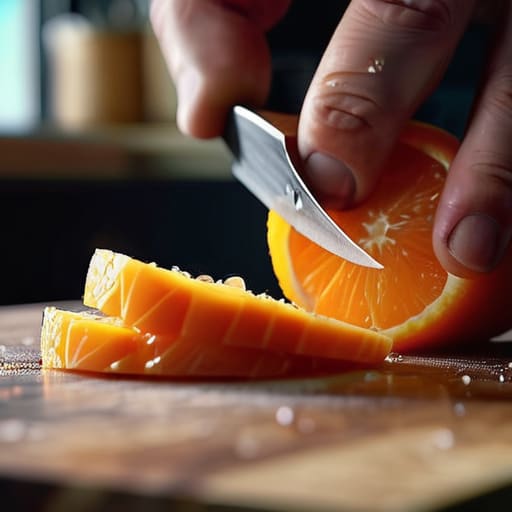
Before you even touch a carrot or a bell pepper, let’s talk about your most important tool. If your knife is dull, you aren’t just working harder; you’re actually working dangerous. A blunt blade tends to slip, and nobody wants a trip to the ER mid-prep. Investing a little time into honing your knife skills for cooking is the absolute best way to ensure your cuts are uniform, which means everything cooks at the same rate.
Once you’ve got a sharp blade, it’s all about your grip and your technique. Forget the “death grip” on the handle; instead, try the “pinch grip” by holding the base of the blade between your thumb and index finger. This gives you way more control and stability. When you’re practicing this as part of your meal prep for beginners, remember to use your non-cutting hand as a “claw,” tucking your fingertips in to guide the blade safely. It might feel a bit awkward at first, but once you find that rhythm, you’ll be flying through your prep work like a total pro.
The Clean Slate How to Wash Vegetables Properly
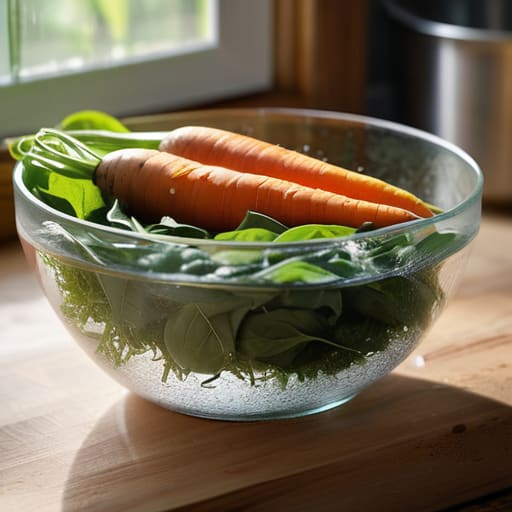
Before you even touch that chef’s knife, you need to deal with the dirt. It sounds simple, but most people just give their produce a quick splash under the tap and call it a day. If you’re serious about how to wash vegetables effectively, you need to treat different textures differently. Leafy greens like spinach or kale are notorious dirt-traps; I like to submerge them in a large bowl of cold water, letting the grit settle to the bottom before lifting them out. For firmer stuff like carrots or cucumbers, a quick scrub with a clean vegetable brush works wonders to get rid of that stubborn, earthy skin.
Once they’re clean, here is the part everyone skips: dry them thoroughly. If you toss damp veggies straight into your containers, you’re basically inviting mold to the party. Using a salad spinner or laying them out on a clean kitchen towel is a total game-changer for keeping vegetables fresh longer. If you’re doing a big batch of meal prep for beginners, taking that extra minute to ensure everything is bone-dry will save you from finding a slimy mess in your fridge by Wednesday.
Work Smarter, Not Harder: 5 Pro Hacks for Prep Day
- Get a head start by prepping your veggies the night before; there’s nothing worse than staring at a pile of unwashed carrots when your pan is already smoking hot.
- Don’t toss the scraps! Keep a container in your freezer for onion skins, carrot ends, and celery tops—they’re pure gold for making homemade veggie stock later.
- Invest in a good mandoline for those paper-thin radish or cucumber slices, but please, for the love of everything, use the safety guard every single time.
- Organize your workspace with “mise en place”—basically, just get everything chopped and into little bowls before you even turn on the stove so you aren’t scrambling mid-sauté.
- Group your veggies by cooking time; there’s no point in having your delicate spinach sitting out for twenty minutes while you’re still struggling to dice a stubborn butternut squash.
Quick Wins for Your Next Meal
Don’t skimp on your tools; a sharp knife isn’t just for pros, it’s what keeps your prep fast and your fingers safe.
Treat washing like a ritual—give everything a solid rinse to make sure you’re starting with a truly clean slate.
Master the basics of your knife work early on, and you’ll find that prepping veggies feels less like a chore and more like a breeze.
## The Secret Ingredient
“Don’t think of vegetable prep as a chore standing between you and dinner; think of it as the foundation. If your prep is messy and rushed, your meal will taste like it, too. But if you take those few extra minutes to respect the ingredients, you’re already halfway to a masterpiece.”
Writer
Bringing It All Together
At the end of the day, mastering veggie prep isn’t about being a Michelin-star chef; it’s about building a foundation that makes cooking feel less like a chore and more like a creative outlet. We’ve covered the essentials: keeping your knives sharp so you aren’t struggling through every slice, and ensuring everything is scrubbed clean and ready for the heat. When you take those extra few minutes to organize your workspace and prep your ingredients properly, you aren’t just cutting carrots—you are setting yourself up for success in the kitchen. No more frantic chopping while your garlic is already burning in the pan; just smooth, intentional movement.
So, next time you pull a bunch of kale or a tray of bell peppers from the fridge, don’t rush the process. Embrace the rhythm of the knife and the freshness of the produce. There is something deeply meditative about the steady sound of a well-honed blade hitting a wooden cutting board. Once you get these fundamentals down, you’ll find that you actually start looking forward to the prep work rather than dreading it. Now, grab your apron, clear your counter, and go make something delicious!
Frequently Asked Questions
Should I peel my vegetables every time, or is it okay to leave the skins on?
To be honest, don’t feel like you have to peel everything! In fact, most of the nutrition and fiber is tucked right under the skin. If you’re working with organic carrots, potatoes, or cucumbers, just give them a good scrub and leave the skins on—it adds great texture and flavor. Only reach for the peeler if the skin feels tough, bitter, or just looks a bit unappealing. When in doubt, keep it on!
How do I keep my cut veggies from turning brown or getting mushy in the fridge?
Keep the Crunch: How to Store Prepped Veggies
Is there a specific way to store prepped veggies so they actually stay fresh for the week?
Don’t just toss them in a random Tupperware and hope for the best—that’s a one-way ticket to mushy veggies. The secret is moisture control. For leafy greens, tuck a paper towel into the container to soak up excess dampness. If you’re prepping root veggies or carrots, keep them submerged in a jar of water in the fridge to maintain that satisfying crunch. Keep it airtight, keep it organized, and they’ll actually last.
