I used to think that making a decent meal required a $40 grocery haul of organic microgreens and some obscure, hand-pressed oil from a boutique shop in Italy. I was wrong. For the longest time, I treated lunch like a chore, staring down a bowl of limp spinach and wondering how to make salad interesting without spending my entire paycheck on “superfoods” that taste like dirt. It turns out, the secret isn’t in the price tag or the fancy labels; it’s about actually using your brain and your pantry.
I’m not here to give you a list of expensive lifestyle hacks or tell you to buy a specialized salad spinner you’ll never use. Instead, I’m going to show you how to build a bowl that actually satisfies your hunger using real-world logic. We’re going to talk about texture, acidity, and the kind of flavor combinations that make you actually look forward to lunch. This is straight-up, no-nonsense advice based on years of trial, error, and a lot of very mediocre lettuce.
Table of Contents
Mastering Flavor Balancing in Salads
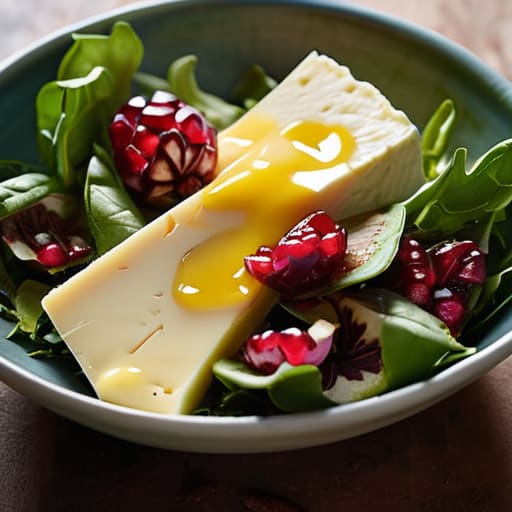
Most people treat a salad like a chore, which is why they end up with a bowl of nothing but wet, flavorless greens. If you want to actually enjoy your lunch, you have to stop thinking about “vegetables” and start thinking about flavor balancing in salads. You need a tug-of-war happening on your tongue. If everything is sweet, like berries and honey, it’s going to taste like dessert. If everything is bitter, like arugula or radicchio, you’ll want to spit it out. You need that sharp, acidic hit from a lemon vinaigrette to cut through a creamy avocado or a heavy piece of goat cheese.
Once you get the acid-to-fat ratio right, you can start playing with creative salad ingredient pairings that actually make sense. Think salty against sweet—maybe some crumbled feta against sliced peaches—or spicy against cooling. Don’t just dump a bottled dressing on top and hope for the best. Instead, focus on how the components interact. When you hit that sweet spot where the salt, acid, and fat all play nice, you stop eating “diet food” and start eating a real meal.
Creative Salad Ingredient Pairings That Actually Work
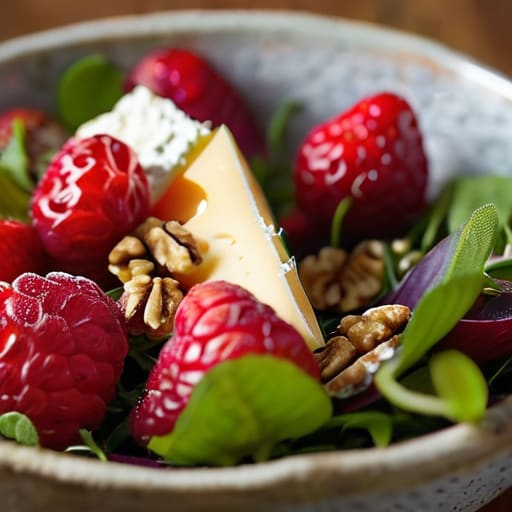
Forget the idea that a salad is just a pile of greens and a prayer. To stop eating like a rabbit, you need to start thinking about contrast. One of my favorite ways to level up is by playing with the sweet-and-savory dynamic. Think creamy goat cheese paired with sliced strawberries or even roasted beets with a hit of salty feta. These creative salad ingredient pairings work because they hit different parts of your palate at once, preventing that “one-note” boredom that makes you reach for a bag of chips ten minutes later.
Don’t forget that mouthfeel is just as important as taste. If your bowl feels mushy, you’re doing it wrong. You should always be adding texture to salads by tossing in something with a serious crunch. I’m talking toasted pepitas, crispy chickpeas, or even shaved radish. If you want to turn a side dish into a legitimate meal, look into protein additions for salads like grilled halloumi or a soft-boiled egg. When you combine a creamy element with a sharp crunch and a solid protein, you aren’t just eating a salad—you’re eating a meal.
Stop Treating Your Salad Like a Side Dish
- Temperature is everything. If you’re just eating cold leaves, it’s a chore. Throw in some warm roasted sweet potatoes or even some pan-seared shrimp to actually make the meal feel substantial.
- Texture is your best friend. A salad without a crunch is just wet grass. You need toasted seeds, crispy shallots, or even crushed pita chips to keep your brain from checking out halfway through.
- Don’t skimp on the fat. A salad feels “diet-y” and unsatisfying because it lacks richness. Use avocado, some good feta, or a heavy-handed drizzle of olive oil to actually feel full.
- Use “accent” ingredients. Think about things you usually keep in the pantry—pickled red onions, capers, or even a bit of dried chili flakes—to provide those little pops of flavor that keep you reaching for more.
- Scale up the greens. Stop thinking “lettuce” is the only option. Mix in arugula for a bite, radicchio for bitterness, or even shredded kale to give your salad some actual structural integrity.
The Cheat Sheet for Better Bowls
Stop playing it safe with textures; if your salad doesn’t have something crunchy, creamy, and chewy all at once, you’re basically just eating wet grass.
Stop relying on heavy bottled dressings to do the heavy lifting and start using acid—lemon, vinegar, or even pickled stuff—to actually wake up the flavors.
Treat your salad like a real meal, not a side dish, by mixing in hearty proteins or grains so you aren’t starving twenty minutes after you finish eating.
## The Golden Rule of the Bowl
“A salad shouldn’t feel like a chore you’re ticking off a health checklist; if it doesn’t have enough crunch, acid, or actual soul to make you want a second helping, you haven’t made a meal, you’ve just made a pile of expensive compost.”
Writer
Stop Settling for Sad Salads
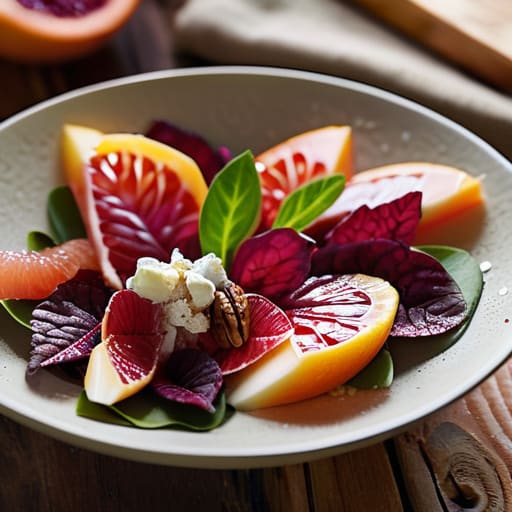
Look, making a salad that doesn’t feel like a chore is really just about moving away from that “bowl of wet grass” mentality. We’ve talked about why you need to stop ignoring texture, why balancing your acidity is non-negotiable, and how some weird ingredient combos—like fruit and cheese—are actually total game changers. Once you stop following a rigid recipe and start thinking about crunch, tang, and fat, you realize that a salad isn’t just a side dish; it’s a legitimate way to eat that actually satisfies you.
At the end of the day, your kitchen shouldn’t be a place of strict rules and boring repetition. Treat your salad bowl like a playground rather than a chore list. Throw in that random handful of toasted seeds you found in the pantry, drizzle on a bit too much dressing, and don’t be afraid to get messy with the flavors. The goal isn’t to make a “perfect” salad that looks good for an Instagram photo; it’s to make something that makes you actually want to pick up a fork. Now, go make something delicious.
Frequently Asked Questions
How do I stop my salad from getting soggy if I'm prepping it ahead of time?
The golden rule? Never, ever dress the greens until you’re actually sitting down to eat. If you’re prepping for meal prep or a party, keep your dressing in a separate little jar. Also, if you’re layering a jar salad, put the heavy, wet stuff—like cucumbers or tomatoes—at the very bottom, and keep the lettuce at the top. It creates a barrier so your leaves stay crisp instead of turning into a swampy mess.
What are some good ways to add protein without making it feel like a heavy meal?
The trick is to avoid the “meat sweats” by skipping the heavy chunks of steak or greasy chicken. Instead, go for lighter, punchier options. Think soft-boiled eggs, a sprinkle of hemp hearts, or some crispy roasted chickpeas. If you want something more substantial, torn-up rotisserie chicken or chilled shrimp works wonders. You want that satisfying protein hit without feeling like you need a nap immediately after finishing your bowl.
I'm tired of store-bought dressing; how do I make a quick vinaigrette that doesn't taste like vinegar?
Look, the reason store-bought stuff tastes like straight acid is because they’re cheapening the ratio. To fix this, stop treating vinegar like the main event. Use a heavy hand with your oil—think a 3:1 ratio of oil to acid. The secret weapon? A teaspoon of Dijon mustard or some honey. It acts as an emulsifier, binding the fat and acid together so you get a creamy, balanced dressing instead of a harsh vinegar bomb.
