Look, I’m going to be blunt: you do not need a $2,000 espresso machine or a degree in fluid dynamics to stop drinking liquid charcoal every morning. I spent way too many years thinking that learning how to make coffee at home meant buying every shiny, overpriced gadget on the market just to get a decent caffeine hit. It’s a total scam designed to make you feel like a novice, but the truth is that most of those expensive setups are just overcomplicated ways to ruin good beans.
I’m not here to sell you on a lifestyle or push some fancy subscription box you don’t need. Instead, I’m going to give you the straight talk based on years of trial, error, and a lot of wasted caffeine. We’re going to strip away the pretension and focus on the actual, no-nonsense mechanics of brewing. By the time we’re done, you’ll have the confidence to craft a killer cup using whatever gear you actually have in your kitchen, without the unnecessary headache.
Table of Contents
Selecting the Best Coffee Brewing Methods for Your Style
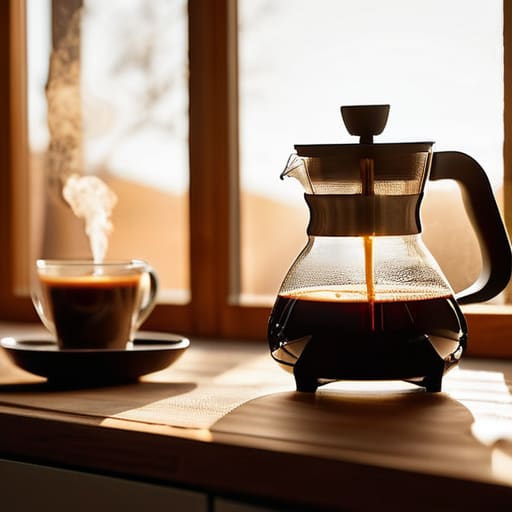
Before you go out and drop a fortune on every gadget in the shop, you need to figure out how you actually like to drink your caffeine. Are you a “black coffee and a book” person, or do you need a milky, velvety latte to survive the morning? If you’re looking for something clean and bright, a pour-over is your best friend. It’s a bit of a ritual, but it lets you master different coffee extraction techniques to really pull out those subtle fruity notes. On the flip side, if you want something heavy-bodied and intense that hits you like a freight train, a French Press is the way to go.
If you’re just starting out, don’t overcomplicate things with high-end gear right away. There is plenty of great coffee brewing equipment for beginners that won’t break the bank but will still yield a massive upgrade from your old drip machine. The real secret, though, isn’t just the tool—it’s the ingredients. Even the fanciest setup will fail you if you aren’t using freshly ground coffee beans. Once you nail that connection between your preferred method and the quality of your beans, you’re halfway to coffee shop quality.
Essential Coffee Brewing Equipment for Beginners to Own
Before you go out and drop a mortgage payment on a high-end espresso machine, let’s get one thing straight: you don’t need a laboratory setup to get a great cup. When looking for coffee brewing equipment for beginners, the most important tool isn’t actually the brewer itself—it’s the grinder. If you aren’t using freshly ground coffee beans, you’re essentially fighting a losing battle against stale flavors. A decent burr grinder is the single best investment you can make to level up your morning routine.
Once you’ve got your beans sorted, you’ll need a way to control the variables. A simple digital scale is a total game-changer; it takes the guesswork out of your ratios so your coffee doesn’t end up tasting like battery acid one day and weak tea the next. You should also keep an eye on your heat source. While a standard kettle works, knowing how to hit the perfect water temperature for coffee—usually between 195°F and 205°F—is what separates a mediocre brew from a cafe-quality experience. Keep it simple, keep it consistent, and the results will follow.
Pro Moves to Stop Making Mediocre Coffee
- Stop using that old bag of pre-ground dust. Seriously. Buy whole beans and grind them right before you brew; the difference in aroma alone will make you realize how much you’ve been missing.
- Get a decent scale. Guessing with spoons is how you end up with coffee that’s either sour water or battery acid. Consistency is the secret sauce to a perfect cup every single morning.
- Watch your water temperature. If you pour boiling water straight onto the grounds, you’re going to scorch them and end up with a bitter mess. Aim for just under boiling—around 200°F—to keep things smooth.
- Clean your gear like your life depends on it. Those old coffee oils clinging to your carafe or French press turn rancid fast, and they’ll make even the most expensive beans taste like burnt rubber.
- Don’t ignore your water quality. If your tap water tastes like a swimming pool, your coffee is going to taste like a swimming pool too. Use filtered water so the actual flavor of the bean can shine.
The Quick Cheat Sheet
Don’t go overboard on gear right away; pick one method that actually fits your morning routine and master it first.
Quality beans are non-negotiable—you can have the fanciest setup in the world, but if your coffee is stale, it’s going to taste like nothing.
Precision matters more than you think, so invest in a decent scale and a grinder to stop guessing and start brewing consistently.
The Heart of the Ritual
Making coffee at home isn’t about mastering a chemistry lab or owning every gadget on the market; it’s about finding that one specific rhythm that turns a frantic morning scramble into a moment where you actually feel human again.
Writer
Making It Your Own
At the end of the day, mastering home brewing isn’t about following a rigid set of rules or owning every expensive gadget on the market. It’s about understanding how your chosen method—whether it’s the ritual of a pour-over or the speed of a French press—interacts with your favorite beans. You’ve learned how to pick the right gear and, more importantly, how to match that gear to your personal taste. Once you have the basics of grind size and water temperature down, you’re no longer just making a drink; you’re engineering an experience that starts the moment you walk into your kitchen.
Don’t get discouraged if your first few attempts taste a little bit off or if your kitchen ends up looking like a caffeine-fueled disaster zone. Coffee is a lifelong journey of experimentation, and honestly, even the pros have “bad” cups sometimes. The real magic happens when you stop worrying about perfection and start playing with different variables to find what truly makes you happy. So, grab your scale, get those beans grinding, and embrace the process. Your perfect morning cup is waiting, and it’s much more rewarding when you brew it yourself.
Frequently Asked Questions
How much coffee should I actually use for a single cup so it doesn't taste like water?
Look, if your coffee tastes like brown water, you’re almost certainly under-dosing. The golden rule is the 1:16 ratio. For a standard 10-ounce mug, you want about 18 to 20 grams of coffee. If you don’t have a scale, aim for roughly two level tablespoons. It feels like a lot, but trust me—it’s better to be slightly too strong and add a splash of water later than to drink a cup of caffeine-flavored nothingness.
Is it worth spending the extra money on a burr grinder, or will a cheap one do the trick?
Look, I’ll give it to you straight: if you’re serious about your morning ritual, get the burr grinder. Blade grinders are basically just spinning knives that smash your beans into a chaotic mess of dust and boulders, which leads to a cup that tastes both bitter and sour at the same time. A burr grinder gives you that consistent, uniform grind you need for a balanced brew. It’s the single best investment you can make.
What’s the best way to keep my beans fresh without them going stale in a week?
The quickest way to ruin a great bag of beans is letting them sit in a clear plastic bin on your counter. Air, light, and heat are the enemies here. Grab an airtight, opaque container—ideally one with a one-way valve to let gases escape without letting oxygen in. Also, stop using those pre-ground bags; grind right before you brew to keep that flavor profile from flatlining by Tuesday.
