I still remember the first time I tried to impress a date by attempting a fancy pan-seared salmon. I had followed some “expert” video online, only to end up staring at a grey, rubbery mess that smelled like a pier at low tide. It was humiliating, expensive, and frankly, a total waste of good produce. Most people make things way too complicated when learning how to cook fish, acting like you need a culinary degree and a thermometer that costs more than your shoes just to get a decent sear. The truth is, most of the “gourmet” advice out there is just unnecessary fluff designed to make you feel like you can’t do it yourself.
I’m not here to sell you on some overpriced kitchen gadget or a list of ingredients you’ll use once and never touch again. Instead, I’m going to give you the real, unvarnished truth about how to cook fish so you can stop fearing the frying pan. We’re going to focus on the actual fundamentals—heat management, timing, and knowing when to pull it off the stove—so you can walk into your kitchen with total confidence. No hype, no nonsense, just food that actually tastes like it was meant to.
Table of Contents
The Best Way to Season Fish for Maximum Flavor
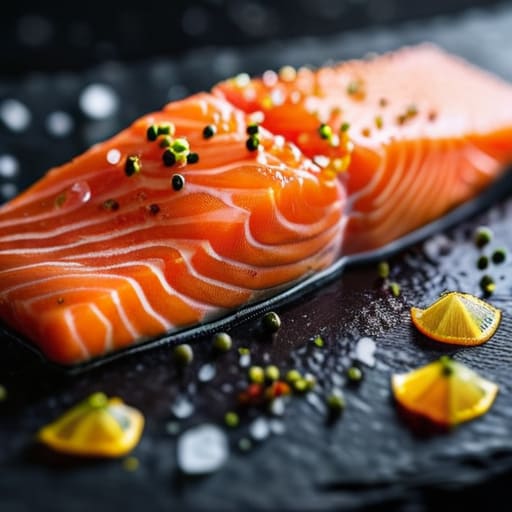
Look, if you’re just dumping a generic pile of salt on a fillet and calling it a day, you’re missing the point. The best way to season fish is all about balance and timing. I’m a huge believer in the “dry rub” approach—pat that skin bone-dry with a paper towel before you touch the spices. If there’s moisture sitting on the surface, you aren’t getting a crust; you’re just steaming the poor thing in its own juices. I usually go for a heavy hand with kosher salt, a hit of smoked paprika, and maybe some lemon zest to cut through the richness.
Don’t go overboard with the heavy, muddy spices like cumin or heavy chili powder unless you’re making something specific like tacos. You want to enhance the natural sweetness of the seafood, not bury it under a layer of spice sludge. Also, a pro tip: wait to add any fresh herbs like parsley or dill until the very last second. If they hit the hot pan too early, they’ll turn bitter and gray, and nobody wants a plate of burnt grass.
Choosing the Right Types of Fish for Beginners
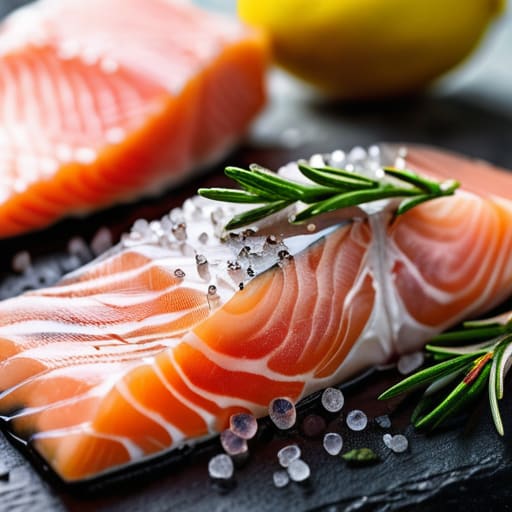
Look, if you walk into a seafood market and see fifty different species staring back at you, just walk away. It’s overwhelming, and frankly, you don’t need that complexity yet. When you’re starting out, you want fish that are forgiving—the kind that won’t fall apart into a pile of mush the second it hits a hot pan. I always recommend sticking to types of fish for beginners like salmon or cod. Salmon is practically foolproof because its higher fat content keeps it juicy even if you overcook it slightly, while a thick piece of cod provides that meaty texture that feels substantial on the plate.
If you want to play it even safer, go for tilapia or halibut. These are much more stable and less likely to break apart, which is a huge win if you’re still working on preventing fish from sticking to pan surfaces. The goal here isn’t to become a Michelin-star chef overnight; it’s about building confidence. Once you master these reliable staples, you can start experimenting with the more finicky, delicate white fish that require surgical precision.
5 Pro Moves to Stop Overcooking Your Dinner
- Pat that fish bone-dry with paper towels before it touches the pan. If it’s damp, it’s going to steam instead of sear, and nobody wants mushy, grey seafood.
- Stop playing guessing games with the heat. Get your pan hot enough that a drop of water dances on the surface, but once the fish hits, back it off just a hair so you don’t scorch the outside while the middle stays raw.
- Leave it the hell alone. Once you put that fillet in the pan, don’t keep poking it or trying to flip it every thirty seconds. Let that beautiful golden crust form on its own—it’ll practically tell you when it’s ready to flip.
- Learn the “flake test” so you can ditch the thermometer if you want. Take a fork and gently press near the thickest part; if the meat separates easily along those natural lines, you’ve nailed it.
- Don’t forget the acid at the very end. A quick squeeze of fresh lemon or a splash of vinegar right before you eat cuts through the richness and makes all those flavors pop like crazy.
The Cheat Sheet for Not Messing Up Your Dinner
Don’t overthink the fish choice—start with something forgiving like salmon or cod before you try to tackle finicky white fish.
Seasoning isn’t an afterthought; hit that fish with salt and your spices before it ever touches the pan to actually get flavor into the meat.
Temperature is everything, so stop guessing and start watching for that perfect flake to avoid turning your expensive meal into a dry, cardboard mess.
## The Golden Rule of the Pan
“Stop treating fish like it’s a chore you need to get through; treat it like the star of the show, give it a hot pan and a little respect, and it’ll stop tasting like a mistake and start tasting like a masterpiece.”
Writer
Now, Get Out There and Get Cooking
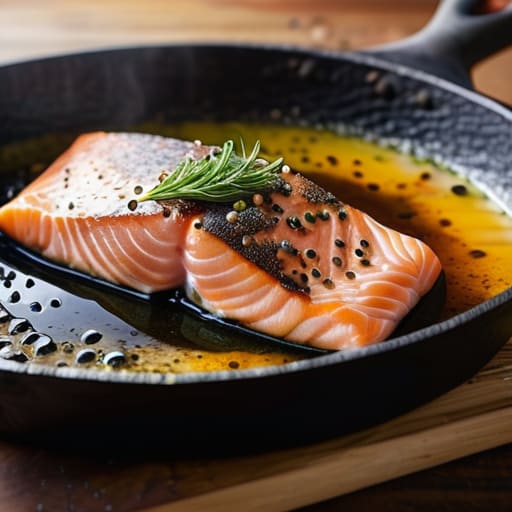
Look, we’ve covered a lot of ground here, from picking the right fillet so you don’t end up with a mushy mess, to mastering that seasoning game that actually makes the flavors pop. The biggest takeaway? Stop overthinking it. Whether you are pan-searing a piece of salmon or baking a delicate white fish, the secret lies in respecting the ingredients and not letting the heat run away with you. If you remember to season early and choose high-quality fish to start with, you are already miles ahead of most home cooks who just wing it and hope for the best.
At the end of the day, cooking fish isn’t about achieving culinary perfection on your very first try—it’s about finding that rhythm in the kitchen. You might overcook a fillet once in a while, or your crust might not be as crispy as you dreamed, but that is just part of the process. The real magic happens when you stop fearing the pan and start trusting your instincts. So, grab a piece of seafood, turn up the heat, and start making some delicious mistakes. You’ll be a pro before you even realize it.
Frequently Asked Questions
How can I tell if the fish is actually done without overcooking it and turning it into rubber?
Stop playing the guessing game with your dinner. The absolute best way to tell if your fish is ready is to look for the “flake test.” Grab a fork and gently press down on the thickest part; if the flesh separates easily along those natural lines, you’re golden. If it feels bouncy or resists you, back off the heat immediately. You want moist and tender, not a piece of edible tire rubber.
Is it better to pan-fry, bake, or grill if I'm trying to keep things healthy?
If you’re playing the health card, baking is your absolute best friend. It’s low-effort and uses minimal oil, letting the fish cook in its own juices. Pan-frying is delicious, but you’ll inevitably end up swimming in butter or oil to keep things from sticking. Grilling is a solid middle ground, but you have to watch out for charring. Stick to the oven for a clean, nutritious result every single time.
What's the best way to get that crispy skin without it sticking to the pan?
Listen, if your fish is sticking, you’re probably fighting the pan. First, pat that skin bone-dry with paper towels—moisture is the enemy of crisp. Next, get your pan hot and add plenty of oil. Once it’s shimmering, lay the fish in away from you. Now, here’s the secret: leave it alone. Don’t poke it. Once the skin forms a proper crust, it’ll naturally release itself from the metal.
