I am so tired of seeing those “perfect” wellness influencers post photos of $25 grain bowls that look more like art installations than actual food. They make it seem like learning how to build a balanced meal requires a PhD in nutrition, a subscription to a boutique meal kit, and a pantry full of exotic superfoods you can’t even pronounce. It’s exhausting, it’s expensive, and frankly, it’s completely unnecessary for anyone just trying to live a normal, healthy life.
I’m not here to sell you on a lifestyle overhaul or a complicated macro-tracking app that takes more time to use than the actual cooking. Instead, I’m going to give you the straight truth based on years of trial, error, and way too many takeout orders. We’re going to strip away the jargon and focus on a few simple, repeatable frameworks that work in the real world. By the end of this, you’ll know exactly how to assemble a plate that actually fuels your body without turning your kitchen into a high-stress laboratory.
Table of Contents
Decoding the Perfect Protein Vegetable Carbohydrate Ratio
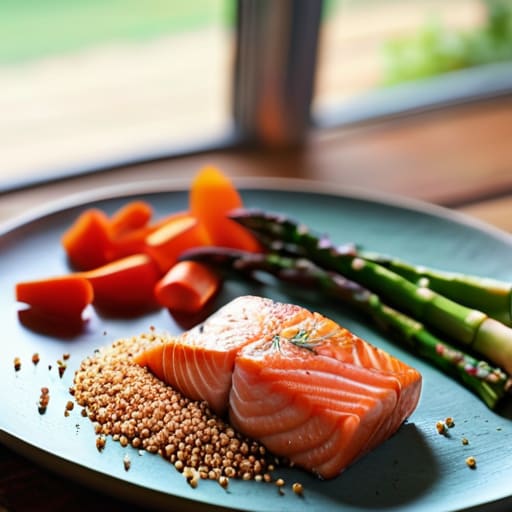
Think of your plate as a puzzle where the pieces have to fit just right to keep your energy levels from crashing. When we talk about the protein vegetable carbohydrate ratio, it’s easy to get lost in complex math, but it’s actually much simpler than that. Instead of obsessing over grams, try to visualize your nutritional plate proportions. You want a solid foundation of protein to keep you full, a heavy dose of colorful veggies for micronutrients, and just enough carbs to provide that necessary fuel.
If you’re looking for a quick way to master portion control for healthy eating, aim for the “hand method.” Your protein source should be roughly the size of your palm, your carbs about the size of a cupped hand, and your veggies should take up at least half the space. This isn’t about restriction; it’s about finding a sustainable rhythm that works for your body. Once you get this baseline down, you’ll find that meal prepping becomes less of a chore and more of a way to actually nourish yourself without the constant guesswork.
Navigating Nutritional Plate Proportions for Sustained Energy
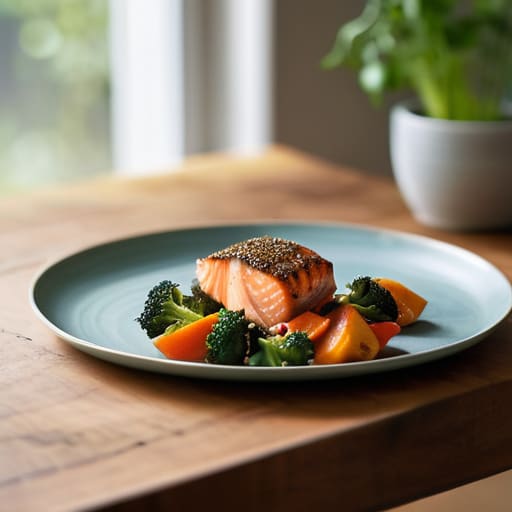
Ever feel that mid-afternoon slump where your brain just turns to mush? Usually, that’s a sign your plate was heavy on the simple carbs and light on the fuel that actually lasts. To avoid that crash, you have to get smart about your nutritional plate proportions. It’s not about eating less; it’s about eating strategically. If you load up on nothing but pasta or bread, your blood sugar spikes and then dives, leaving you reaching for a third coffee by 3 PM.
The real trick to staying steady is finding a rhythm with your macronutrient distribution guide. Think of it like a tripod: you need that solid base of complex carbs, the structural support of protein, and the essential “glue” of healthy fats. When you master this, you aren’t just eating to feel full—you’re engineering sustained energy. This approach makes meal prepping for nutrition so much easier, too, because you stop obsessing over calories and start focusing on how each component actually makes your body feel throughout the day.
Five Low-Stress Hacks for Better Plates
- Stop overthinking the math and start using your hand as a guide—a palm-sized portion of protein and a fistful of veggies is usually all you need to stay on track.
- Don’t fear the starch, just swap the refined stuff for “slow” carbs like sweet potatoes or quinoa to avoid that mid-afternoon energy crash.
- Use healthy fats as your secret weapon; a drizzle of olive oil or a few slices of avocado doesn’t just taste better, it actually keeps you feeling full longer.
- Color is your easiest nutritional shortcut—if your plate looks beige, you’re probably missing out on the micronutrients that keep your brain sharp.
- Prep your “building blocks” ahead of time, like a big batch of roasted veggies or boiled eggs, so you aren’t scrambling and grabbing junk when hunger hits.
The Cheat Sheet for Your Next Meal
Stop overthinking the math; just aim for a colorful mix of protein, fiber-rich carbs, and healthy fats to keep things simple.
Use your plate as a visual guide—if half of it isn’t covered in veggies, you’re probably missing out on the energy you need.
Focus on how the food actually makes you feel, rather than obsessing over perfect ratios or strict calorie counting.
The Philosophy of the Plate
“Forget the rigid math and the clinical checklists; a balanced meal isn’t about perfection on a scale, it’s about choosing ingredients that make you feel alive rather than just full.”
Writer
Finding Your Rhythm
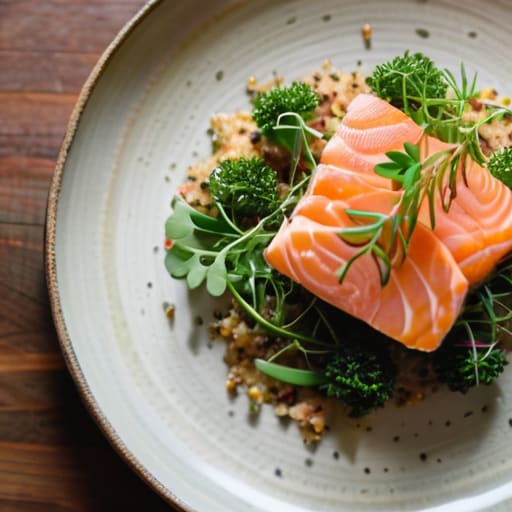
At the end of the day, building a balanced meal isn’t about following a rigid, mathematical formula or obsessing over every single calorie on your plate. It’s really just about finding that sweet spot between protein, healthy fats, and complex carbs that keeps you from crashing by 3:00 PM. Whether you’re leaning heavily into colorful veggies or ensuring you have enough fuel to power through a workout, the goal is to move away from restrictive eating and toward intentional nourishment. Once you grasp the basic proportions, you stop fighting your hunger and start working with your body instead of against it.
Don’t let the fear of “doing it wrong” keep you from even trying. Nutrition is a personal journey, and your plate should reflect your unique lifestyle, your tastes, and your energy needs. Some days you’ll nail the perfect ratio, and other days you’ll grab something quick and easy—and honestly? That is perfectly fine. The real magic happens when you stop viewing food as the enemy and start seeing it as the essential fuel that allows you to show up fully for your life. Just keep experimenting, keep listening to your body, and trust the process.
Frequently Asked Questions
What do I do if I'm eating out or grabbing something quick from a takeout menu?
Look, I get it—life happens and you can’t always meal prep. When you’re staring at a takeout menu, don’t stress about perfection; just play the “addition game.” If you’re grabbing a burger, maybe swap the fries for a side salad or just add an extra veggie portion. If it’s a bowl, aim for that protein-heavy base and load up on the greens. It’s about making the best choice available, not finding a flaw-free meal.
How much should my portions actually change on days when I'm super active versus when I'm just sitting at a desk?
Think of your plate as a sliding scale, not a rigid rulebook. On those heavy training days, don’t be afraid to lean harder into your complex carbs—that’s your fuel. You’ll likely need a larger portion of grains or starchy veggies to replenish what you burned. On desk days, keep the protein and fiber high to stay full, but scale back the heavy starches. It’s all about matching your intake to your actual output.
Can I still build a balanced meal if I'm following a specific diet like vegetarian or keto?
Absolutely. A specific diet isn’t a barrier; it’s just a different set of building blocks. If you’re keto, you’re simply swapping those heavy carbs for healthy fats and extra greens to hit your macros. Going vegetarian? It’s all about making sure your plant-based proteins—like lentils or tofu—are actually doing the heavy lifting. The core principle stays the same: as long as you’re hitting your key pillars, you’re winning.
