I was sitting in a small, cobblestone courtyard in Florence last spring, watching the moonlight dance across a cluster of silver-leafed olives, when it hit me how much we get wrong about illumination. Most people approach home lighting tips as if they’re trying to light up a football stadium—slapping on high-wattage floodlights that bleach the life out of a garden and turn a private sanctuary into a sterile interrogation room. It’s a heartbreaking mistake. When you drown your landscape in harsh, artificial glare, you don’t just lose the shadows; you lose the soul of the space and the delicate textures of the plants that call it home.
I’m not here to sell you on expensive, high-tech gimmicks that require a degree in electrical engineering to install. Instead, I want to share the practical, sustainable strategies I’ve gathered from years of sketching in my journals and designing living canvases across the globe. I promise to give you honest, experience-based guidance on how to use light to sculpt atmosphere, guiding your eyes toward the beauty of your greenery while keeping the darkness where it belongs. Let’s move past the glare and start telling a story.
Table of Contents
- Layering Ambient and Task Lighting for Emotional Depth
- The Poetry of Warm vs Cool Light Temperatures
- Illuminating the Narrative: 5 Ways to Breathe Life into Your Outdoor Sanctuary
- Lighting as a Living Element: My Design Essentials
- ## Lighting as a Living Element
- Illuminating Your Living Canvas
- Frequently Asked Questions
Layering Ambient and Task Lighting for Emotional Depth
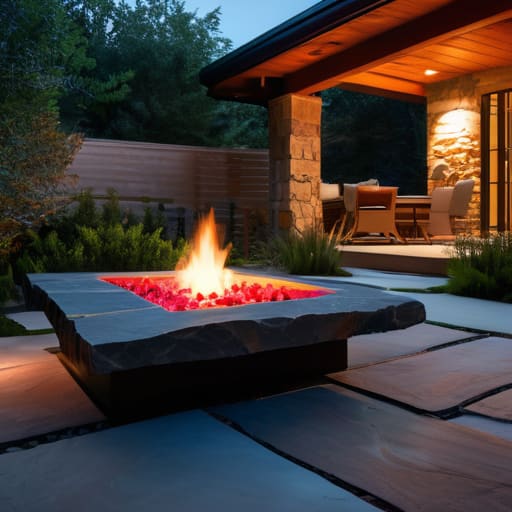
When I’m sketching out a new garden layout in my journal, I don’t just think about where the paths go; I think about how the light will dance across them at dusk. To create true emotional depth, you have to move beyond a single, harsh overhead source. The secret lies in layering ambient and task lighting to build a sense of dimension. Imagine a soft, diffused glow emanating from hidden fixtures to wash over the space—that’s your ambient layer. Then, you introduce task lighting, like a focused, low-voltage lamp near a stone fire pit, ensuring you can actually see your glass of wine or your book without breaking the spell of the evening.
I often find myself whispering to Barnaby, my oversized Japanese Maple, about how a well-placed spotlight can transform his silhouette into a dramatic masterpiece. By playing with warm vs cool light temperatures, you can dictate the mood: warm tones invite intimacy and relaxation, while cooler tones feel crisp and modern. I always recommend installing dimmers; the dimmer switch benefits are endless, allowing you to transition a lively dinner party into a quiet, meditative sanctuary with just a gentle slide of a finger.
The Poetry of Warm vs Cool Light Temperatures
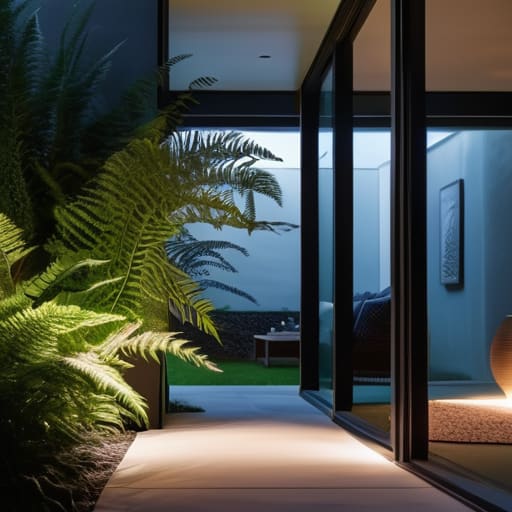
When I’m sketching a new garden layout in my journal, I often find myself obsessing over the “temperature” of the light. It’s a delicate dance. Choosing between warm vs cool light temperatures isn’t just a technical decision; it’s about setting the emotional thermostat of your sanctuary. Imagine a crisp, cool moonlight-inspired glow washing over your sculptural ferns—let’s call them “Barnaby and Beatrice”—to highlight their architectural silhouettes. This cooler spectrum mimics the clarity of a starlit night, perfect for creating a sense of modern, refreshing drama in a contemporary courtyard.
However, as the evening deepens and you retreat to your patio lounge, you’ll want to shift the narrative. This is where I lean into the golden, honeyed hues of warmer tones. A warm light acts like a soft embrace, pulling the textures of your stone pavers and wooden decks into a cozy, intimate focus. By integrating smart lighting for home automation, you can actually program these transitions, allowing your space to breathe and evolve from a bright, energetic afternoon nook into a soulful, amber-lit haven as the sun dips below the horizon.
Illuminating the Narrative: 5 Ways to Breathe Life into Your Outdoor Sanctuary
- Don’t let your greenery vanish into the shadows once the sun dips below the horizon; use subtle uplighting to celebrate the architecture of your plants. I recently spent an evening whispering encouragement to Barnaby, my towering Japanese Maple, while testing a soft spotlight that turned his delicate leaf structure into a dramatic, dancing silhouette against the twilight sky.
- Create a sense of mystery by tucking low-voltage path lights beneath the foliage rather than placing them in rigid, predictable lines. When the light peeks through the leaves of “Lady Penelope”—my favorite cluster of ferns—it creates a dappled, ethereal effect that guides your footsteps without breaking the spell of the garden.
- Master the art of the focal point by directing a gentle glow toward a weathered stone statue or a striking water feature. Much like a spotlight on a stage, this technique draws the eye to the “protagonists” of your landscape design, turning a simple corner into a captivating scene of quiet contemplation.
- Invest in smart, dimmable outdoor lighting systems that allow you to shift the mood as easily as you change a page in my travel journal. Being able to transition from a bright, functional glow for an evening dinner party to a low, amber hum for a midnight meditation session is essential for a truly living space.
- Use light to bridge the gap between your interior sanctuary and the wild world outside by aligning your indoor lighting levels with your outdoor accents. When your living room glow matches the soft warmth of your patio lanterns, the glass doors seem to disappear, making your entire home feel like one continuous, breathing ecosystem.
Lighting as a Living Element: My Design Essentials
Think in layers, not just levels; blend soft, ambient glows with purposeful task lighting to ensure your garden feels like a cozy room rather than a flat, shadowed stage.
Respect the temperature of your light; lean toward warmer tones to dance across the textures of your plants—like my dear, feisty Fernaby—to create a sense of organic intimacy.
Use illumination to direct the narrative, casting shadows and highlights that guide the eye toward your most cherished botanical treasures and architectural focal points.
## Lighting as a Living Element
“Don’t think of lighting as a mere utility to banish the shadows; think of it as the brushstroke that breathes life into your garden. A well-placed, soft amber glow doesn’t just illuminate a path—it invites your Silver Sage, little Barnaby, to dance in the moonlight and transforms a silent patio into a soulful sanctuary where the stars feel just a little bit closer.”
Francesco Fletcher
Illuminating Your Living Canvas
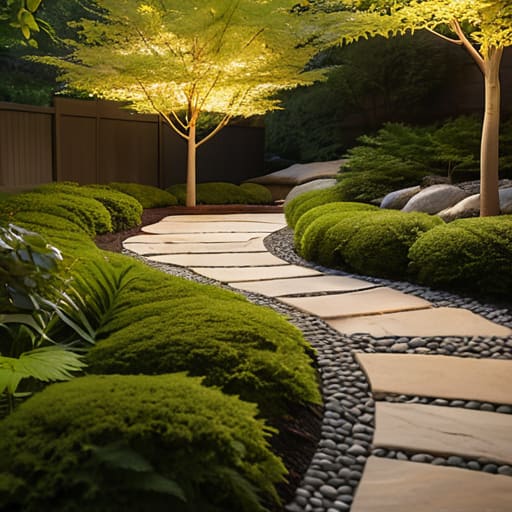
As we pull our sketches together, remember that lighting is never just a functional necessity; it is the invisible thread that weaves your outdoor sanctuary together. By thoughtfully layering your ambient glow, mastering the delicate dance between task and accent lights, and choosing the right color temperature to honor the natural rhythm of the evening, you transition from mere illumination to true atmospheric storytelling. Whether you are casting a soft spotlight on Barnaby, my particularly dramatic Japanese Maple, or ensuring your stone pathways are safe yet subtle, every decision should serve the dual purpose of sustainability and soul.
At the end of the day, your garden is a living, breathing entity that deserves to be seen in its best light. Don’t be afraid to experiment, to fail, or to shift your lamps as the seasons change and your plants grow into their new roles. I often find myself sitting in the dark just to see how the moonlight interacts with my shadows, and I encourage you to do the same. Treat your outdoor space not as a finished project, but as an evolving masterpiece that invites you to slow down, breathe deeply, and reconnect with the magic of the natural world.
Frequently Asked Questions
How can I integrate smart lighting technology without losing that organic, soulful feeling of a natural garden?
The trick is to use smart technology as a silent conductor, not a spotlight. I love using programmable dimmers to mimic the natural progression of twilight, allowing my ferns—especially little Barnaby—to transition gently into the shadows. Instead of harsh, automated schedules, set your smart hubs to follow the rhythms of the moon or the subtle shifts in season. When technology mimics nature’s pulse, it enhances the soul rather than disrupting it.
Which specific light fixtures work best for highlighting the textures of my climbing vines or the delicate leaves of my ferns?
To really make those textures sing, you need to embrace shadows. For your climbing vines—let’s call them ‘Barnaby’ and ‘Beatrix’—I swear by narrow-beam bullet spotlights placed at the base. They cast dramatic, upward shadows that emphasize every twist of the stem. For those delicate, lacey ferns, try a soft, diffused well light or a low-voltage wash. It creates a gentle glow that honors their intricate silhouettes without washing out their ethereal magic.
Is it possible to use solar-powered lighting effectively, or will it compromise the dramatic atmosphere I’m trying to create?
Oh, I hear that concern often! You absolutely can, provided you approach it with intention. Don’t think of solar as a “budget” compromise, but as a rhythmic, living element of your design. If you choose high-quality, architectural-grade solar fixtures, they can cast stunning shadows across your garden. Just pair them with a few well-placed, wired accents for those truly dramatic focal points. Let your solar lights dance softly around “Barnaby,” my favorite Japanese Maple, to create a gentle, sustainable glow.