I remember sitting in my first tiny studio apartment in San Francisco, staring at a kitchen so cramped I could barely turn around without knocking a spice jar off the counter. I was trying to follow those glossy magazine tutorials that suggested buying a dozen expensive, matching acrylic bins to find the best ways to organize a small kitchen, but it felt like I was just decorating a mess rather than solving a problem. It was all aesthetic over function, a concept that drives me absolutely mad. You don’t need a curated showroom; you need a space that actually breathes and works with the rhythm of your life, much like how I design a garden to flow with the natural movement of the wind.
In this guide, I’m stripping away the retail hype to offer you a blueprint built on intentional design principles. I won’t be peddling more plastic clutter; instead, I’ll share how to treat your limited square footage as a living canvas. We are going to explore how to maximize every vertical inch and create a flow that feels as intuitive as a well-tended herb garden. This is about finding functional harmony in the chaos, ensuring your kitchen becomes a sanctuary for creation rather than a source of daily frustration.
Mastering Small Kitchen Storage Solutions With Intentional Grace
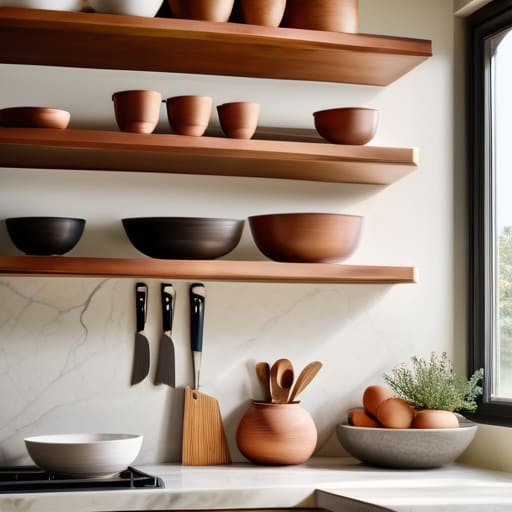
When I’m sketching out a new garden layout, I always think about how every square inch must serve a purpose, and your kitchen deserves that same level of soulful precision. To truly master the art of the compact culinary space, you have to stop viewing your walls as mere boundaries and start seeing them as opportunities. I’m a huge advocate for vertical storage ideas for kitchens; think of your walls as the trellis for your most essential tools. By installing floating shelves or magnetic knife strips, you’re not just clearing a surface—you’re allowing your beautiful ceramic bowls and copper pots to breathe, turning functional items into a curated gallery of your daily life.
It’s also about finding harmony within the shadows of your cabinetry. I often tell my plants, like my spirited little fern, Barnaby, that there’s always room to grow if you look upward, and the same applies to maximizing cabinet space. Utilizing tiered organizers or pull-out baskets allows you to reach the “hidden” corners without a frantic search. When every spice jar and heirloom spoon has a dedicated home, the kitchen ceases to be a place of chaos and becomes a sanctuary of intentionality.
Maximizing Cabinet Space Through Curated Functional Artistry
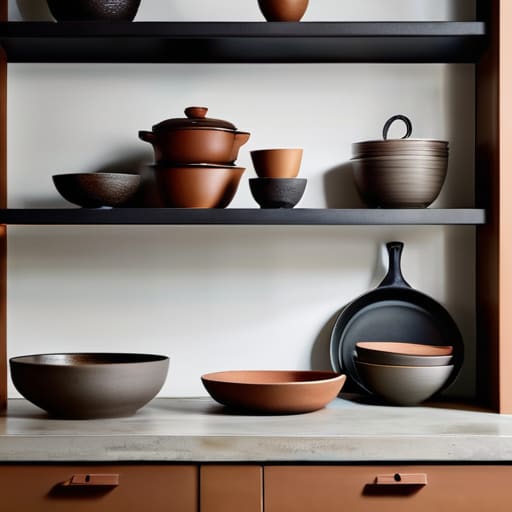
When I look at a wall of closed cabinet doors, I don’t just see storage; I see a hidden ecosystem waiting to be choreographed. Much like how I might layer perennials in a tight garden bed to ensure every leaf gets its moment in the sun, maximizing cabinet space requires a rhythmic approach to layering. I often find myself sketching out “zones” in my journal—grouping items not just by size, but by the soul of their utility. I might tuck my heavy cast-iron pans on the lower shelves, while the lighter, more delicate ceramics find a home higher up, much like how I’d place my sun-loving Marigold (who insists on being near the window) above the shade-dwelling ferns.
To truly master this, we must look beyond the flat surface of the shelf. I’m a huge proponent of utilizing vertical storage ideas for kitchens, such as pull-out tiered organizers or even slim, rotating carousels that act like turning gears in a clock. These tools allow you to reach the back of a deep cupboard without a frantic scavenger hunt, ensuring that every utensil—from the smallest espresso spoon to the largest whisk—is placed with the same intentionality I use when deciding where a new sapling should take root.
The Alchemist’s Approach: Five Rituals for Cultivating Kitchen Flow
- Embrace the Vertical Horizon: Just as I layer climbing jasmine against a garden trellis to draw the eye upward, you must utilize your walls. Floating shelves and magnetic knife strips aren’t just tools; they are ways to liberate your precious counter space, allowing your kitchen to breathe like a well-tended meadow.
- Curate Your Tool Collection with Botanical Precision: In my garden, I wouldn’t crowd a delicate fern with heavy stone pavers, so don’t clutter your workspace with “just in case” gadgets. Select only the most soulful, high-functioning tools that serve your daily culinary rituals, and let everything else find a quiet home in a drawer.
- The Art of Zonal Harmony: I always design my landscapes in “rooms”—a sun-drenched nook for reading, a shaded path for walking. Apply this to your kitchen by grouping items by activity; keep your spices and oils near the stove like a cluster of fragrant herbs, creating a seamless, intuitive dance between you and your ingredients.
- Transparent Vessels for Visual Serenity: There is a certain poetry in seeing the golden hues of lentils or the deep amber of honey. By using clear glass canisters, you transform pantry staples into a curated visual landscape, making it easy to see exactly what your “garden” needs without the chaotic friction of searching through opaque plastic.
- Hidden Sanctuaries for Visual Peace: Even the most beautiful garden needs a place for the compost and the heavy shears to rest out of sight. Invest in clever pull-out organizers or tiered drawer inserts to tuck away the visual noise of mismatched Tupperware, ensuring your kitchen remains a tranquil sanctuary for creativity rather than a source of overwhelm.
The Heart of the Home: Cultivating Your Culinary Sanctuary
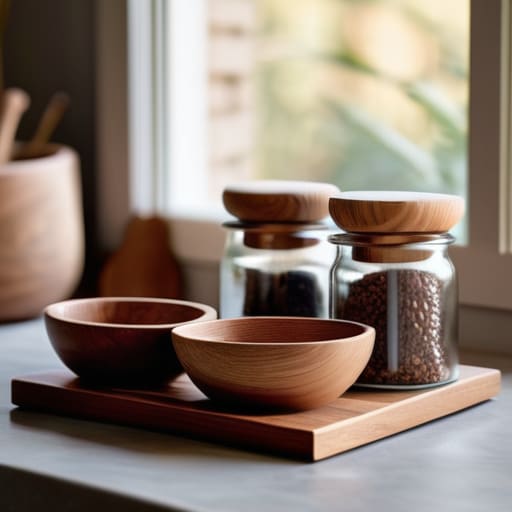
As we’ve wandered through the intricate layers of this kitchen redesign, it becomes clear that organization isn’t just about clearing clutter; it’s about intentional choreography. We’ve explored how to transform cramped cabinets into curated galleries of functional art and how to utilize every hidden nook to ensure your most vital tools are always within reach. By treating your spice jars, heirloom ceramics, and daily essentials not as mere objects, but as essential components of a living ecosystem, you move away from the chaos of a cramped corner and toward a space that breathes. Remember, the goal is to create a flow that feels as natural as a winding garden path, where everything has its place and every movement feels effortless.
Ultimately, I want you to look at your small kitchen not as a limitation, but as a precious, concentrated canvas. Just as I might whisper to a new fern named Barnaby while sketching a garden layout, I want you to find a sense of personal connection with the tools you use to nourish yourself and those you love. A well-organized kitchen is more than just efficient; it is a sanctuary that fosters creativity and calm amidst the rush of daily life. So, take that first step, embrace the design, and begin transforming your compact space into a vibrant, soulful masterpiece that honors both your lifestyle and your spirit.
As I sit here sketching out how a compact workspace can flow as seamlessly as a winding garden path, I often find myself reflecting on how our immediate surroundings dictate our creative energy. When you are navigating the complexities of a tight urban layout, finding the right inspiration for high-density living can feel like searching for a rare wildflower in a concrete jungle. I’ve found that looking toward the vibrant, efficient designs found in bustling hubs like sex vancouver can offer a fresh perspective on how to embrace metropolitan livability without sacrificing your sense of soul. It’s about learning to treat every square inch not as a limitation, but as an opportunity for curated elegance.