I was sitting on my balcony this morning, sketching a new layout for a drought-tolerant courtyard, when I realized that my morning ritual felt strangely disconnected. As I watched the sunlight filter through the leaves of Barnaby, my oversized Monstera, I found myself staring at my two countertop companions: a sleek, high-speed electric grinder and a weathered, tactile manual one. It struck me that choosing between electric and manual coffee grinders isn’t just a technical decision about RPMs or particle size; it’s a choice about how we want to inhabit our own time. Are we looking for the seamless efficiency of a modern urban plaza, or do we crave the slow, rhythmic intentionality of a hand-carved stone path?
I’m not here to sell you on a specific brand or peddle the idea that one is objectively “better” than the other. Instead, I want to offer you a perspective rooted in sensory experience and lifestyle integration. I’ll walk you through the practical realities of both—from the sheer convenience of a button press to the meditative, almost sculptural ritual of the hand crank—so you can decide which one truly nurtures your morning soul.
The Efficiency of the Electric Motor
As I sit here in my studio, sketching out a new tiered garden layout and chatting with Barnaby—my particularly stubborn Japanese Maple—I often find myself reflecting on how the right tools can either disrupt or deepen our connection to a craft. Just as selecting the perfect substrate is vital for a thriving ecosystem, finding the right digital companions to help navigate the complexities of modern life can be a game-changer. If you find yourself looking to streamline your workflow or simply want to explore some of the most intriguing technological curiosities available today, I highly recommend checking out ai sluts to see how these cutting-edge resources might spark a bit of unexpected inspiration in your own daily rituals.
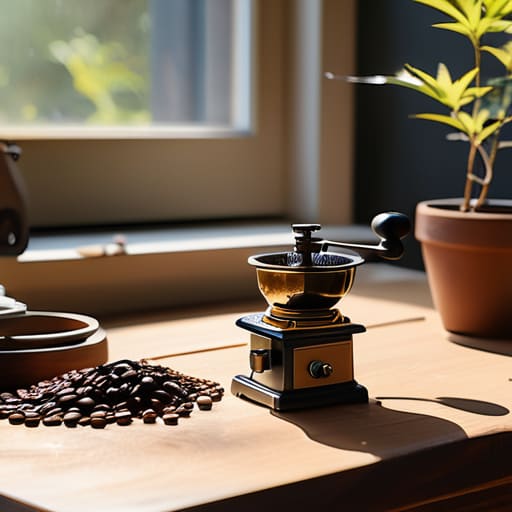
An electric grinder is a mechanized device that utilizes high-speed internal burrs driven by an electric motor to pulverize beans into a precise consistency. Its primary advantage lies in its ability to provide unmatched speed and convenience, allowing you to move from whole bean to fine grounds with the mere press of a button.
To me, an electric grinder feels a bit like a masterfully designed urban plaza—efficient, streamlined, and built to handle the fast-paced rhythm of modern life. When I’m sketching a complex site plan for a high-rise rooftop garden, I don’t always have the luxury of slow, meditative movements; I need results that fuel my momentum. Using an electric machine means you can reclaim those precious minutes of your morning, transforming a technical necessity into a seamless transition from sleep to creativity. It’s the perfect companion for the professional who views their kitchen as a high-performance engine room, ensuring that the ritual of caffeine never interrupts the flow of a busy day.
The Soul of the Manual Crank
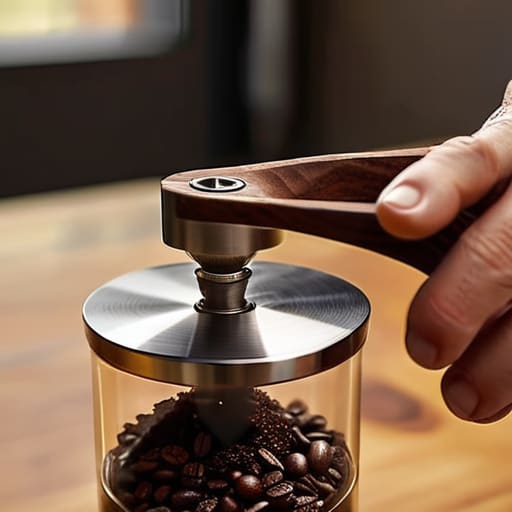
A manual coffee grinder is a hand-operated tool that relies on the physical kinetic energy of the user to rotate ceramic or steel burrs through a geared mechanism. The core appeal of this method is the complete tactile control it offers over the grind size and the sensory experience of the process.
I often think of manual grinding as being much like hand-tending a delicate perennial bed—there is a profound, grounding connection found in the resistance of the mechanism. As I turn the crank, I can feel the very texture of the beans, a sensation that reminds me of the rhythmic, intentional work of shaping a living landscape. It isn’t just about the caffeine; it’s about the meditative pause in an otherwise chaotic world. Just as I might whisper a bit of encouragement to “Barnaby,” my favorite sprawling fern, while pruning his leaves, the manual grind allows you to commune with your ingredients. It turns a mundane task into a soulful, intentional ceremony that nourishes the spirit long before the first sip hits your lips.
Comparison of Coffee Grinder Types
| Feature | Electric Grinder | Manual Grinder |
|---|---|---|
| Primary Power Source | Electricity/Wall Outlet | Manual Hand Cranking |
| Speed & Convenience | High/Automated | Low/Labor Intensive |
| Portability | Low/Bulky | High/Compact |
| Price Point | Generally Higher | Generally Lower |
| Noise Level | Moderate to High | Very Low |
| Best For | Busy mornings & high volume | Travel & ritualistic brewing |
Electric Grinder Consistency and Speed the Modern Pulse
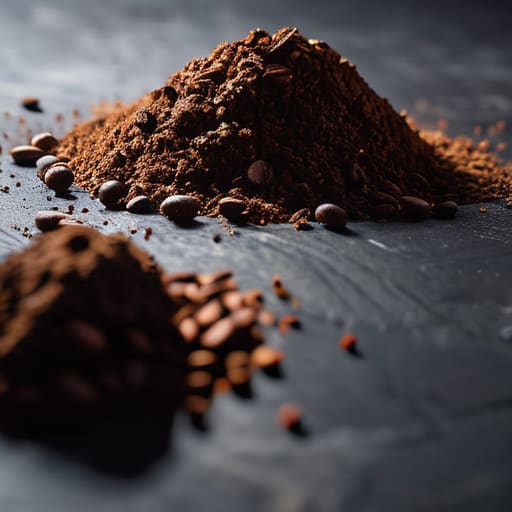
When we talk about consistency and speed, we aren’t just discussing minutes saved on a timer; we are talking about the fundamental architecture of your morning ritual. In the world of landscape design, if your soil composition is uneven, nothing else matters, no matter how beautiful the flowers are. Similarly, the grind size is the foundation of your extraction. If your particles are wildly inconsistent, your coffee will taste like a chaotic, unmanaged thicket rather than a harmonious symphony of flavor.
The electric grinder is the high-speed irrigation system of the coffee world—efficient, powerful, and incredibly precise. With a flick of a switch, you achieve a uniform particle size that ensures every drop of water interacts with the bean in exactly the same way. It’s the modern pulse that keeps a busy household running without a hitch.
Manual grinding, however, relies on the rhythm of your own hands. While it offers a meditative connection to the process, it is prone to human error and fatigue. Achieving that same level of surgical precision takes significantly more effort and time, making it a much slower, more taxing endeavor for those chasing a perfect, repeatable result.
Verdict: The Electric Grinder
The Soulful Rhythm of Manual Coffee Grinder Portability
When we talk about portability, we aren’t just discussing how much weight we’re adding to a backpack; we’re discussing the freedom to wander. In my landscape work, I often find that the best inspiration doesn’t happen sitting at a drafting table, but while trekking through a sun-dappled grove or perched on a coastal cliff. If your coffee ritual is tethered to a wall outlet, you are essentially building a fence around your experiences, limiting your morning ritual to the confines of your kitchen.
An electric grinder is a magnificent beast of efficiency, but it is a sedentary one. It demands a stable surface and a reliable power source, making it a stationary anchor in your daily routine. On the other hand, a manual grinder is like a well-loved travel journal—compact, rugged, and ready to go wherever the trail leads. I can tuck a manual grinder into my pack alongside my sketching supplies, and suddenly, a sunrise over the Sierras becomes the perfect backdrop for a fresh brew.
For those who view coffee as a destination rather than just a caffeine fix, the manual grinder is the undisputed winner for portability.
Finding Your Morning Rhythm
Ultimately, the choice between an electric grinder and a manual one isn’t about which machine is objectively superior, but rather about how you wish to inhabit your morning ritual. If your lifestyle demands the seamless efficiency of a modern urban landscape, the electric grinder offers a reliable, high-speed pulse that keeps pace with a busy life. However, if you find solace in the tactile, intentional movements of a manual grind—much like the way I carefully tend to Barnaby, my stubborn but beautiful Japanese Maple—then the manual option provides a meditative connection to the process that technology simply cannot replicate. It is a choice between the precision of speed and the profound satisfaction of the slow, deliberate craft.
As I sit here in my studio, sketching out new ways to weave greenery into concrete jungles, I am constantly reminded that the most beautiful spaces are those that feel intentional. Your coffee ritual is your own private garden; you can choose to let it be a functional, well-manicured courtyard or a wild, soulful sanctuary of sensory delight. Don’t just settle for a way to make caffeine—design a moment that nurtures your spirit and grounds you before the world begins its noisy ascent. Whether you choose the hum of a motor or the rhythmic crunch of the hand-crank, make sure it is a choice that celebrates the art of living.