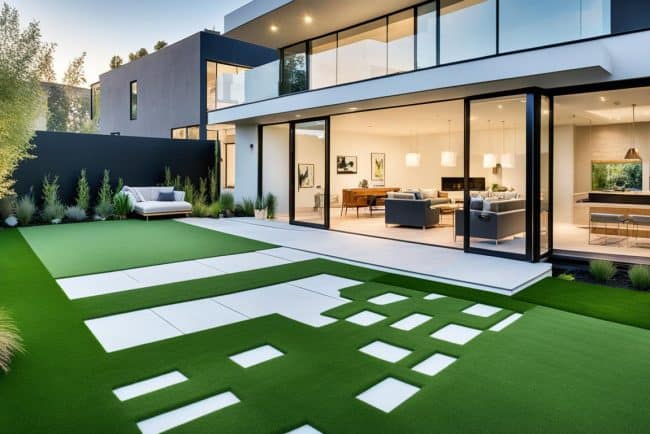
Eco-Friendly Landscaping with Artificial Grass


Did you know artificial grass can save a lot of water? It uses up to 70% less than normal lawns. This shows how eco-friendly landscaping is changing how we think about gardens. I’ve seen how artificial grass makes outdoor areas look good. It also supports green practices.
Choosing artificial grass has made my yard sustainable. It needs little care and saves water. This option is tough and doesn’t need the bad chemicals traditional lawns do. It’s great for the earth in many ways.
Key Takeaways
- Artificial grass reduces water consumption significantly.
- It eliminates the use of harmful pesticides and herbicides.
- Durable synthetic turf remains lush and green year-round.
- Choosing artificial grass cuts down on maintenance costs.
- Eco-friendly artificial grass minimizes reliance on gas-powered equipment.
- Proper installation of artificial grass promotes soil stability and erosion control.
The Benefits of Eco-Friendly Landscaping
Eco-friendly landscaping offers many benefits. One key advantage is saving water. For example, using artificial grass cuts down on the need for watering. This can save lots of water each year.
Water Conservation
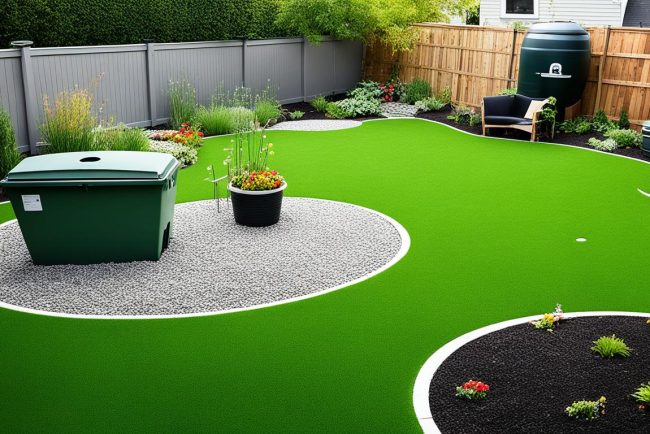
Choosing artificial grass helps save a lot of water. A study shows that a household can save about 22,000 gallons of water annually by not needing to water their lawn. This not only saves water but also supports a sustainable garden. Adding a rain garden can also help by cleaning pollutants and absorbing more rainwater.
Reduced Maintenance Costs
Going eco-friendly can also lower your maintenance costs. With artificial grass, there’s no need to mow, fertilize, or use pesticides often. This can cut water bills by 70% and reduce lawn care costs. Using plants that don’t need much water and native species can also save money. This way, being eco-friendly is both good for the Earth and your wallet.

| Benefit | Details |
|---|---|
| Water Conservation | Can save up to 22,000 gallons of water per household each year through reduced irrigation needs. |
| Reduced Maintenance Costs | Clients can save up to 70% on their water bills by eliminating the need for mowing and chemical applications. |
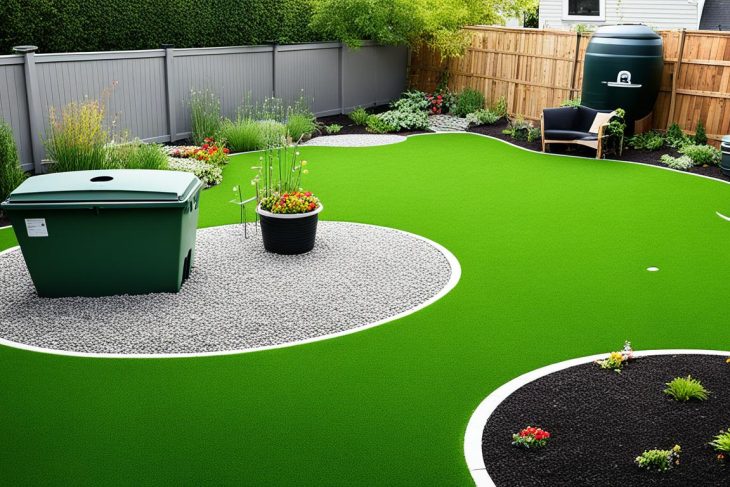
| Eco-Friendly Practices | Encourages methods such as rainwater harvesting and composting, benefiting both the environment and budget. |
What is Eco-Friendly Artificial Grass?
Eco-friendly artificial grass is a new way to green our yards without the need for water. It’s made from safe materials like plant polymers and soybean oil. This makes it a top pick for those who care about the planet.
This type of grass saves a lot of water, up to 22,000 gallons per year for a family. It can last for 25 years, making it much stronger than real grass.

It also helps US soy farmers because it uses soybean oil. This choice is good for both our planet and our community. Plus, it cuts down on harmful lawn chemicals, making play areas safer.
Going for eco-friendly artificial grass cuts down on upkeep and water bills. Exploring sustainable landscaping shows how such grass is a wise choice for those wanting beauty and eco-friendliness.
Environmental Impact of Artificial Grass
Artificial grass is getting a lot of attention for good reasons. It could help the environment a lot, especially in landscaping. One big plus is it needs fewer chemicals. Regular grass needs lots of fertilizers and pesticides to look good. This is bad for local ecosystems. Artificial grass means using way fewer chemicals. So, we help keep the environment healthy.
Reduction in Chemical Use
Using less chemicals with artificial grass helps protect our soil and water. It means fewer chemicals get into rivers and harm animals. With fewer chemicals used, the soil and all its tiny creatures stay healthy. This makes nature more balanced. I see this as a big win for our planet.
Lower Carbon Emissions
Artificial grass also means less air pollution. Taking care of regular lawns needs mowers that pollute the air. Artificial grass cuts down on these chores. So, it reduces pollution a lot. Still, making and setting up artificial grass creates some emissions. But the total pollution from maintenance goes down. This is great news for those who care about our planet.

To wrap it up, artificial grass has its downsides. But, it offers big wins like less chemical use and reduced pollution. By choosing synthetic turf, we help build a greener future. Plus, our gardens look great. It’s a chance for us to fix environmental issues and enjoy beautiful outdoor areas.
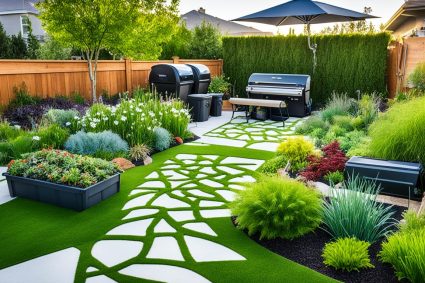
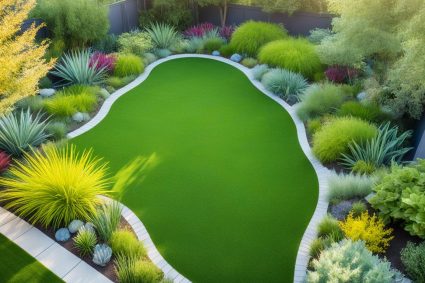
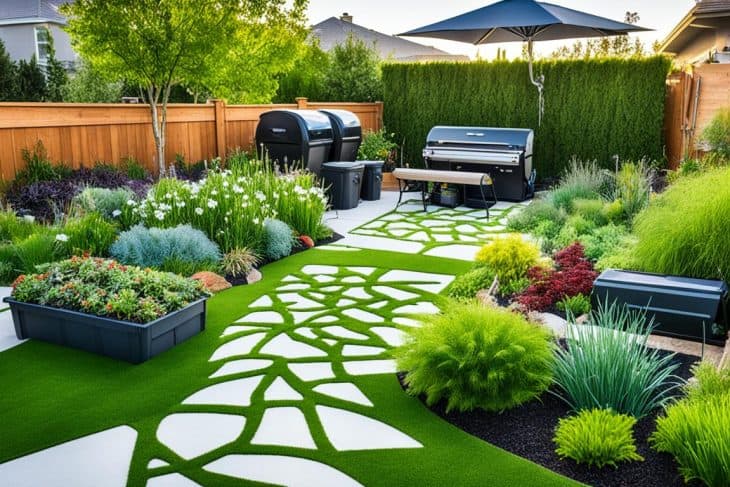
Eco-Friendly Landscaping with Artificial Grass
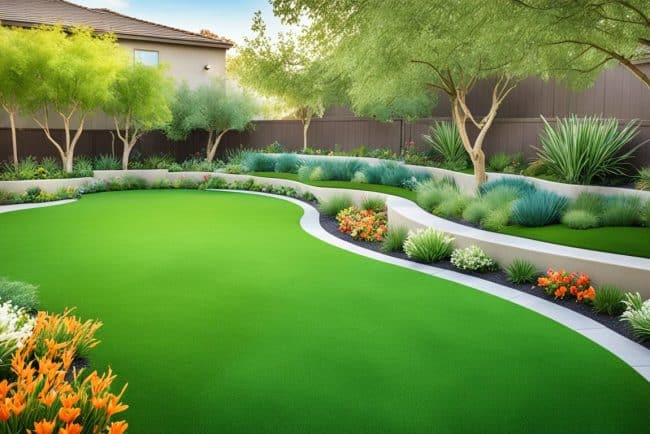
I’ve learned that artificial grass helps a lot with eco-friendly landscaping. It saves thousands of gallons of water every year. This is great for people who want to use less water and spend less on bills. It also makes taking care of the yard easier.
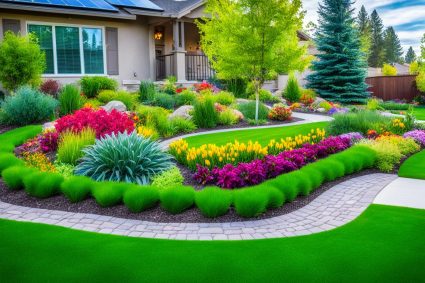
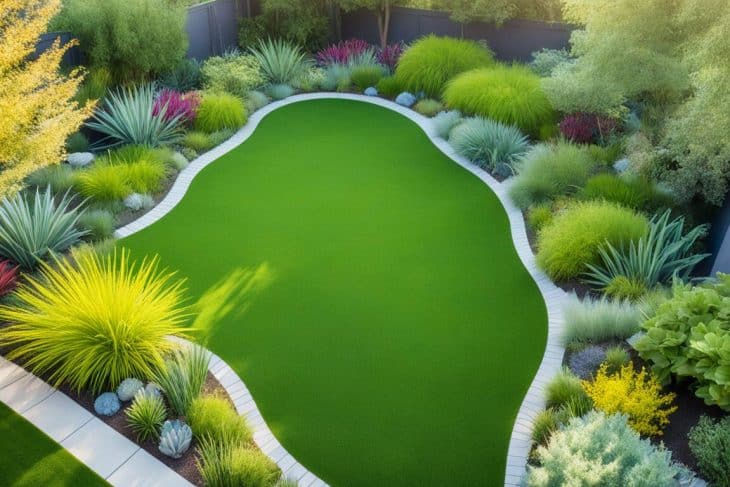
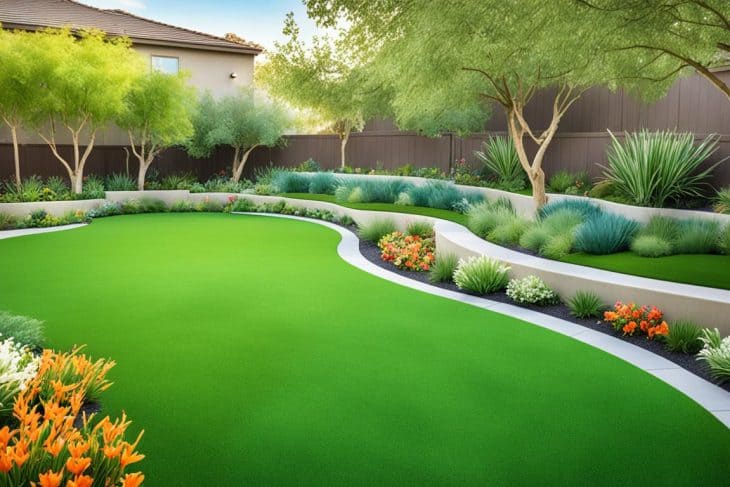
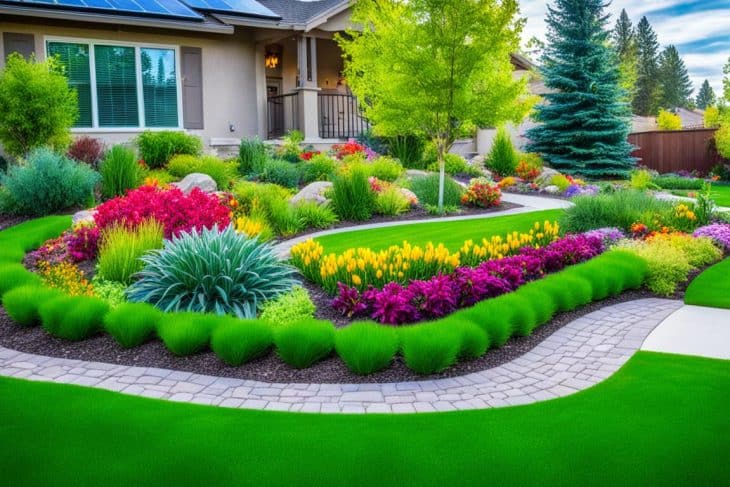
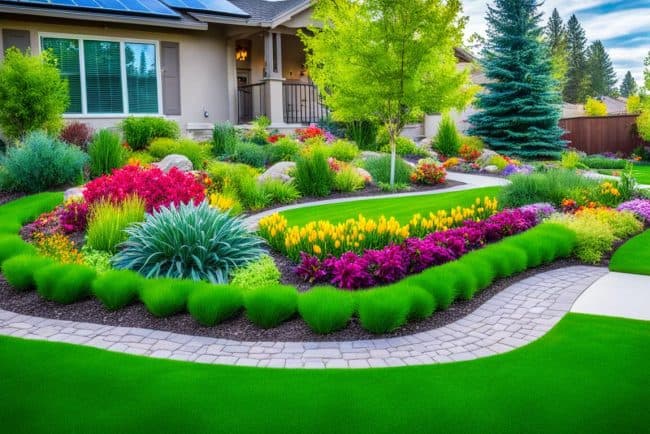
In places with warm, dry weather, artificial grass works well with drought-resistant plants. San Diego County has plants like statice and rosemary that look good and need little water. These plants add beauty to homes without needing much care.
Artificial grass is also made from eco-friendly stuff. Some use plants or recycled rubber to lower pollution. They avoid bad chemicals, making them safer and better for the planet.
This kind of grass doesn’t need much water, just a quick rinse sometimes. It helps save water. And it doesn’t need mowers or other tools, so there’s less pollution.
Plus, artificial grass saves money over time. It lasts long and doesn’t cost much to keep up. It’s good for the planet and for people who want a low-hassle yard. It also helps reduce noise and air pollution, making outside more fun for people with allergies.
The Installation Process
Starting the artificial grass installation needs good planning and detail focus. It’s vital to prepare the area well for success. This early work affects how long the grass lasts and how good it looks.
Preparation of the Area
To start, I clear the site of weeds, rocks, and debris. Making the surface even is key for function and beauty in eco-friendly yards. A well-prepared area leads to better artificial grass setup.
Base Layer Addition
Once cleared, I add a base layer. I use materials like crushed rock for stability and drainage. This foundation supports the grass in all types of weather. It helps the turf last longer and benefits nearby plants too.
Maintenance Tips for Artificial Grass
Keeping your artificial grass vibrant and appealing is essential. It’s important to regularly remove debris like leaves and twigs. This keeps the surface clean and prevents buildup, which could cause discoloration or odors. Rinsing the turf occasionally is also a good idea, especially during dry periods. It helps the grass stay fresh and can reduce pet waste odors, which is particularly important in areas such as Dallas and Fort Worth.
Cross-brushing the grass is another key maintenance tip. It involves brushing the blades in different directions to keep them upright. This prevents them from matting down. High-traffic areas might need this care more often due to wear and tear. Taking time for these simple steps can make your eco-friendly landscaping last longer and look better.
Quick action is vital when dealing with spills. Clean cola, coffee, or pet urine right away to avoid permanent stains. For tougher stains, like grease or ink, I suggest using mineral spirits. Just make sure to rinse the area well afterwards. Following these maintenance practices consistently can help your artificial turf last 15 to 25 years. This way, you contribute to sustainable, water-saving landscapes.