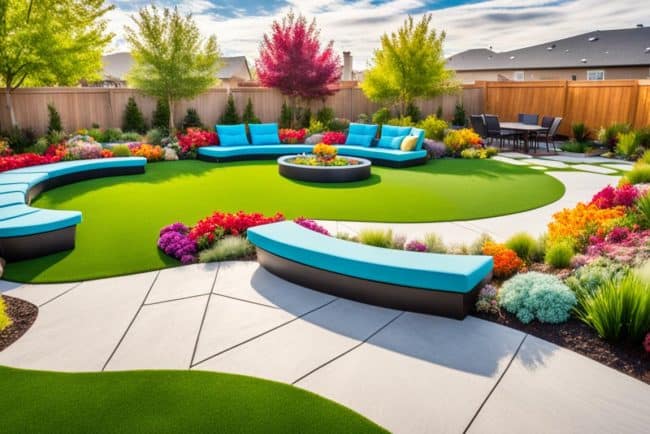
Eco-Friendly Garden Solutions with Artificial Grass

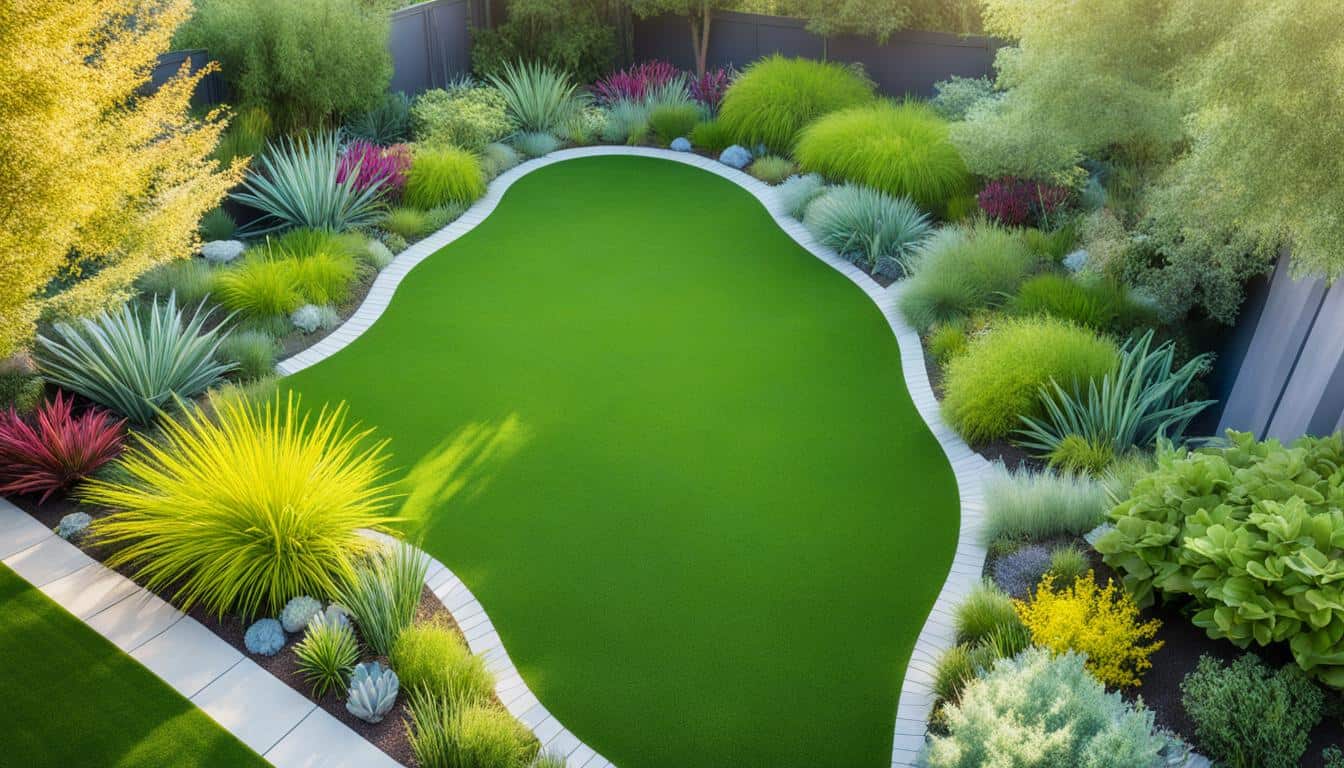
Did you know a typical American family uses 30% of their water outside? This fact highlights the importance of finding sustainable alternatives for our gardens. Artificial grass is becoming a popular eco-friendly option. It lets us enjoy green spaces without the high water use.
Today’s artificial grass is made from non-toxic and sustainable materials. It looks inviting and helps our environment. By choosing synthetic turf, we support a green lifestyle and save precious resources. Let’s see how artificial grass can beautify our yards and benefit the planet.
Key Takeaways
- 30% of American households’ water use is dedicated to outdoor activities.
- Artificial grass provides a low-maintenance and eco-friendly alternative to natural turf.
- Synthetic turf can significantly reduce lawn care tasks, saving time for homeowners.
- Using eco-friendly landscaping options can align with growing environmental values.
- Investing in artificial grass can offer long-term cost savings through reduced water bills.
- Trends are shifting towards more sustainable landscaping designs nationwide.
Understanding Eco-Friendly Artificial Grass
Eco-friendly artificial grass is great for sustainable landscaping. It looks and feels like real grass but reduces environmental harm. It uses smart design and materials.
Definition and Composition
This grass is made from polyethylene and safe materials. It includes soybean oil and sugar cane, making it sustainable. Unlike regular artificial grass, it breaks down more easily. This makes it a top choice for those wanting green and practical landscaping.
Benefits of Synthetic Grass
Synthetic grass has many benefits for homeowners. It lasts up to 25 years, saving water and money. Using this grass can save 22,000 gallons of water each year.
It also cuts the need for chemicals, keeping families and pets safer. Plus, it’s easy to look after, no mowing or watering needed. This makes gardens look good all the time.
Non-Toxic Materials and Sustainability
Using safe materials in artificial grass helps the environment. Many products are USDA certified, meeting high environmental standards. These products support local farms and keep ecosystems healthy. Choosing this grass makes your outdoor space better and helps the planet.
Water Conservation and Cost Savings
Going green with artificial grass has big perks, especially in saving water. It cuts down water use, making it a smart pick for those who want to be eco-friendly. With artificial grass, you don’t need to water your lawn often. This means you can save a lot of water.
Reduction in Water Usage
Artificial grass slashes the need for water in your yard. You’ll see a big drop in how much water you use. This is great for your wallet and the planet, especially in dry areas.
Impact on Water Bills
Putting in eco-friendly artificial grass can really lower your water bills. Folks often notice a big cut in costs because they use less water. The money spent on artificial grass often comes back to you by saving on upkeep. Plus, it’s made to last up to 25 years, making it a cost-smart choice.
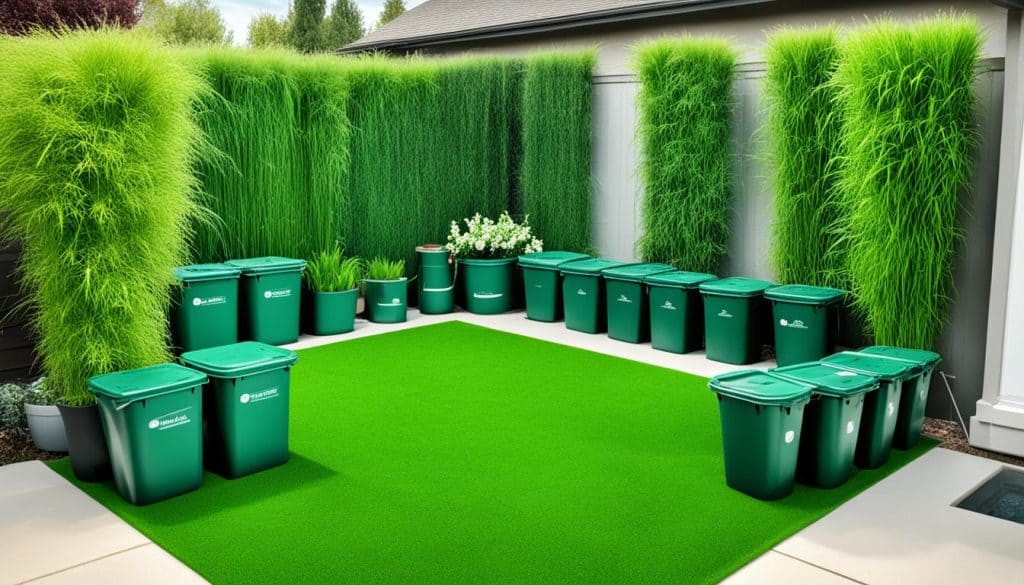
Eco-Friendly Garden Solutions
Making a garden eco-friendly means using methods that are good for the Earth and help local ecosystems. I use green turf and try to cut down on chemicals. By planting native species, I help attract pollinators and support wildlife.
Sustainable Landscaping Practices
I’ve found great joy in sustainable gardening. Using native plants cuts down on the need for water and fertilizer. This makes the garden more self-sufficient. I plant various species that bloom at different times to attract pollinators all year round.
Protective nets keep caterpillars from my plants safely. Watching the weather lets me adjust my gardening for better produce. Choosing tough plants and letting the grass grow longer saves water and helps wildlife.
Supporting Local Agriculture
Supporting local farmers is key to my eco-friendly gardening efforts. I buy artificial grass made with soybean oil from local growers. This helps reduce my carbon footprint and supports the community’s economy.
In my garden, using permaculture practices reduces maintenance. Drought-resistant plants save water and support a greener garden. Seeing my flowers bloom shows me the value of natural gardening.
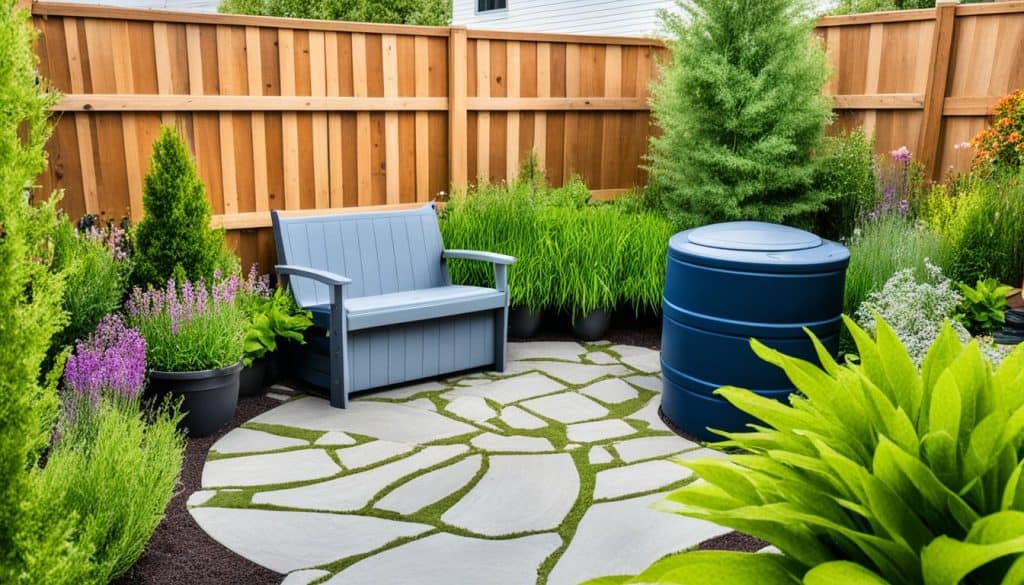
| Practice | Benefit |
|---|---|
| Use of Native Plants | Reduces need for irrigation |
| Companion Planting | Deters pests naturally |
| Permaculture Techniques | Minimizes maintenance |
| Drip Irrigation | Conserves water |
| Composting | Reduces waste and provides nutrients |
| Using Mulch | Helps prevent evaporation |
| Raised Beds | Improves soil quality and appearance |
Talking about sustainable gardening with others spreads eco-friendly ideas. My efforts don’t just make my garden look better. They also help the planet.
Installation of Eco-Friendly Artificial Grass
Installing eco-friendly artificial grass starts with careful planning. Every step of the process is important for a good outcome. We’ll look at how to prepare the area, secure the turf, and why base layers matter.
Preparation of the Area
First, we need to prep the area. This means getting rid of plants, weeds, and other stuff on the ground. It’s important to make the surface stable.
Adding a weed barrier stops weeds from growing later. This keeps your new grass looking perfect. Making sure the surface is level is key for looks, drainage, and lasting quality.
Securing the Turf
After laying the turf, the next step is to secure it in place. It’s essential to attach the edges well, so there are no wrinkles or bumps. These issues can affect how the grass looks and works.
Using a lawn roller helps stick the turf to its base well. This gives a smooth and neat finish.
Importance of Base Layers
A strong base layer is crucial. Using crushed rock or gravel makes a firm foundation that drains well. It also keeps the turf in place, especially in busy areas.
The right base ensures the turf lasts a long time. This step is key for a successful artificial grass installation.
Maintenance Tips for Long-Lasting Artificial Grass
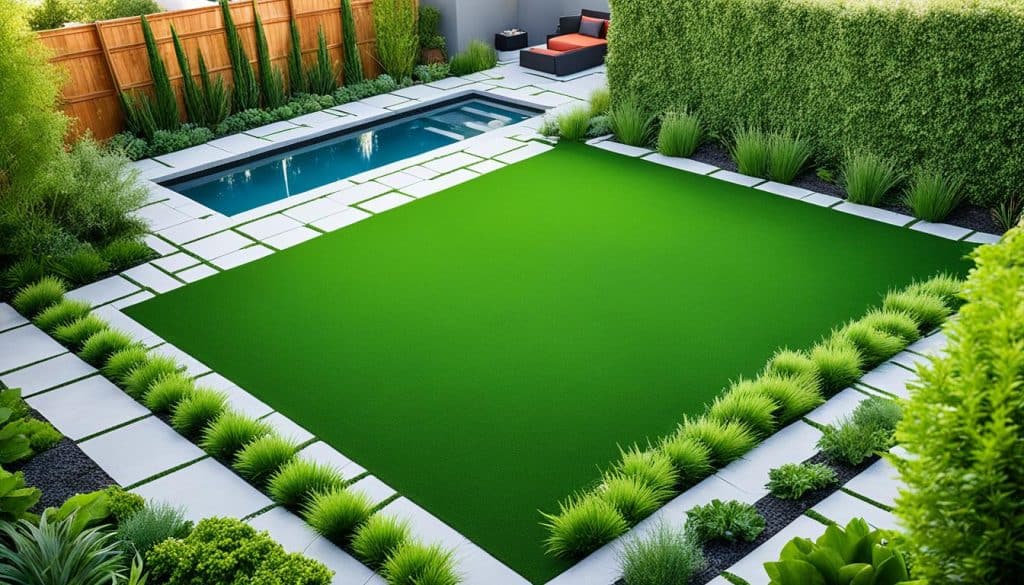
Keeping eco-friendly artificial grass in good shape is easier than real lawns. Regular brushing keeps it looking great. Brushing helps the blades stand up and stops them from flattening. Especially in places where people walk a lot. I also make sure to remove things like leaves and twigs often. This keeps it looking nice and clean.
To keep my artificial grass looking its best, I rinse it with water. This gets rid of any dirt. If I see tough stains, I quickly dab them with a soft cloth. Then, I might use a gentle cleaner or a mix with a little ammonia. These steps help avoid smells and stains, keeping my lawn looking new.
By taking care of my artificial grass, it lasts much longer. Simple things like removing leaves and brushing against the grain make a big difference. They help the grass stay strong and look good. Taking care of it properly means I’ll have a lovely, eco-friendly yard for years.