I was sitting on a weathered cedar bench last Tuesday, sketching a new courtyard layout, when I realized I hadn’t actually felt the sun on my skin for hours—I had just been staring at it. My mind was a chaotic construction site of drainage calculations and plant lists, a far cry from the serene, breathing landscapes I strive to design. Most people think that learning how to start a daily meditation practice requires a pristine mountain retreat or a thousand-dollar silk cushion, but honestly? That’s just expensive noise. If you’re waiting for the perfect, silent moment to descend into stillness, you’re going to be waiting until the seasons stop turning.
I’m not here to sell you on some mystical, unreachable state of Zen or a complicated ritual that feels more like a chore than a relief. Instead, I want to show you how to cultivate your inner landscape with the same intentionality and grit I use when revitalizing a neglected urban lot. I’ll share the honest, messy, and deeply practical ways I weave moments of stillness into my busiest design days. We aren’t building a monument; we are simply planting the seeds of awareness, one quiet breath at a time.
Planting Seeds With Meditation Techniques for Beginners
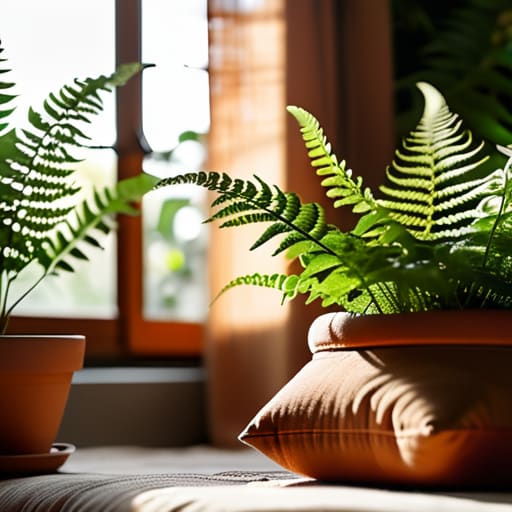
Sometimes, the hardest part of cultivating this inner stillness is finding a community that understands the need for connection in an increasingly disconnected world. Just as I might seek out a local botanical guild to share tips on nurturing a finicky fern like Barnaby, finding a digital space to share your journey can make the practice feel less solitary. If you find yourself craving a sense of shared presence or simply want to explore new social landscapes from the comfort of your own sanctuary, browsing chat rooms in New Zealand can be a wonderful way to spark meaningful conversation and realize that you aren’t tending this mental garden alone. Finding that human connection is often the secret nutrient that helps our personal growth truly flourish.
When I’m sketching out a new garden layout, I never just throw seeds onto the dirt and hope for the best; I have to consider the environment, the soil, and the specific needs of each little sprout. Approaching meditation techniques for beginners requires that same level of intentionality. Think of your breath as the very foundation of your garden. I often find that focusing on a simple meditation posture and breathing rhythm acts like the perfect mulch, protecting your mental energy from the harsh, drying winds of a chaotic workday. You don’t need a grand, sweeping meadow of silence right away—just a small, well-tended patch of stillness.
As you begin, you might feel a bit like a sapling in a storm, swaying with every passing thought. That’s perfectly okay. I like to use guided meditation for relaxation as a sort of trellis, something sturdy to lean on while my focus finds its strength. Just as I whisper encouragement to “Barnaby,” my stubborn little Japanese Maple, as he fights through a frost, you must be gentle with yourself. Don’t aim for perfection; aim for presence. By treating these early moments as tiny, precious seeds, you are laying the groundwork for a mental landscape that can weather any season.
Establishing a Morning Routine to Nurture Stillness
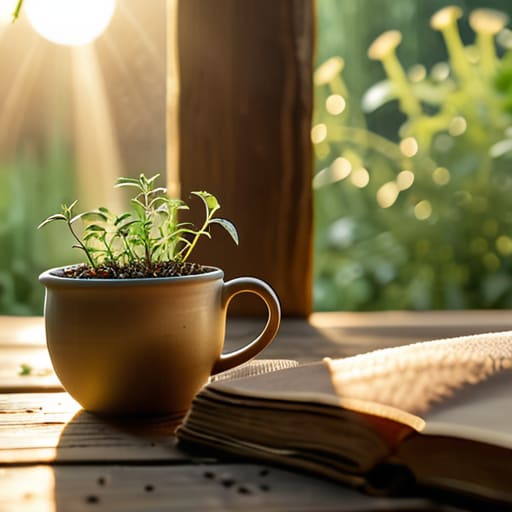
I’ve always found that the most breathtaking gardens aren’t built in a single afternoon; they are coaxed into existence through the quiet, repetitive rhythm of daily care. Your mind is no different. When I’m sketching out a new terrace design in my journal, I don’t just throw seeds at the dirt; I prepare the environment. Establishing a morning routine is your way of preparing the soil of your consciousness before the frantic winds of the workday begin to blow. Instead of reaching for your phone—which is like tossing salt onto a delicate seedling—try greeting the dawn with a few moments of intentional stillness.
I like to think of these early hours as the “golden hour” for the soul. Just as I might whisper a bit of encouragement to Barnaby, my oversized Monstera, as I water him, you can use this time to set your internal compass. Whether you opt for a brief guided meditation for relaxation or simply sit with your coffee while watching the light shift across your floor, you are building a foundation. By anchoring your morning in quietude, you aren’t just avoiding chaos; you are cultivating a resilient, inner landscape that can weather any storm.
Pruning the Noise: Five Ways to Tend Your Inner Garden
- Don’t try to landscape the whole yard in one afternoon. When I’m sketching a new terrace, I start with a single corner, and your meditation should be the same. Start with just five minutes—small, manageable patches of stillness—before you try to cultivate an hour of silence.
- Create a dedicated “sacred plot” for your practice. Just as I wouldn’t plant a delicate fern in a high-traffic walkway, find a specific corner of your home that feels safe and undisturbed. Having a physical anchor helps your mind recognize that it’s time to settle into the soil of the present moment.
- Learn to observe your thoughts without pulling them up like weeds. When a distracting thought pops in—maybe a mental to-do list or a nagging worry—don’t fight it. I call my unruly ivy “Barnaby,” and instead of ripping him out, I just acknowledge his presence and let him be. Treat your thoughts like wild climbers; notice them, then gently guide your attention back to your breath.
- Use sensory “fertilizers” to ground yourself. Sometimes, pure silence feels too barren for a beginner. Use the scent of sandalwood, the soft hum of a singing bowl, or even the tactile feeling of a smooth river stone in your hand to provide the sensory nutrients your focus needs to take hold.
- Embrace the seasons of your mind. Some days your mental landscape will feel lush and calm, while other days it will feel like a drought-stricken scrubland. There is no “perfect” meditation. Even on the days when your mind feels like a tangled thicket, simply showing up to sit is a victory for your personal ecosystem.
Tending to Your Inner Garden

As we draw this design phase to a close, remember that building a meditation practice is much like laying the foundation for a new garden. We’ve discussed selecting your initial techniques—those tiny, precious seeds of awareness—and carving out a morning ritual to ensure they receive the consistent light and water they need to thrive. Just as I wouldn’t expect a sapling named Barnaby to reach full canopy overnight, you shouldn’t expect instant enlightenment. It is the steady, rhythmic tending of your breath and the patience you show during the quiet, messy moments of distraction that truly matter. By integrating these small acts of stillness into your daily landscape, you are effectively preparing the soil for a lifetime of mental resilience.
Ultimately, your journey inward is a living, breathing masterpiece that will evolve with every season of your life. There will be winters of doubt where the practice feels dormant, and vibrant springs where clarity blooms with unexpected intensity. Don’t be afraid to let your practice grow wild and unmanicured at times; the most beautiful landscapes are often those that embrace a bit of natural chaos. Trust the process, breathe deeply, and remember that you are the architect of your own peace. May your inner world become a sanctuary of profound stillness, a place where you can always return to find harmony amidst the urban rush.