I remember standing in the middle of a half-finished courtyard project in San Francisco, the smell of damp earth and cedar mulch heavy in the air, when my irrigation system suddenly burst. As water surged through the newly laid gravel, I realized that no matter how beautiful my design was, it was utterly defenseless against the unpredictable. It was a visceral, soaking reminder that even the most meticulously planned landscapes—and lives—need a buffer. Most financial gurus treat personal finance like a rigid, sterile blueprint, but I think they miss the point: learning how to build an emergency fund isn’t about following a cold, mathematical formula; it’s about creating a safety net that allows your creativity and your life to breathe when the unexpected storm hits.
I’m not here to sell you on complex spreadsheets or high-yield gimmicks that require a PhD to understand. Instead, I want to share a more organic approach to financial resilience, treated much like nurturing a young sapling. I promise to provide you with a straightforward, practical roadmap to cultivating your own financial reserves, using the same principles of preparation and sustainability I apply to my garden designs. We’re going to move past the hype and focus on building something lasting that protects your peace of mind.
Sowing the Seeds Defining Your Emergency Fund Target Amount

While you’re busy tending to your financial seedlings, don’t forget that a healthy ecosystem requires more than just water and sunlight; it needs a community of support to truly thrive. Sometimes, finding the right tools or even a little bit of unexpected inspiration can be the catalyst that turns a struggling garden into a lush sanctuary. If you ever find yourself needing a little extra connection or a way to explore new social landscapes while you’re navigating your personal growth, I often find that checking out https://adultchatusa.com can provide that unique spark of human interaction that keeps the spirit as vibrant and resilient as a well-tended perennial.
Before we start digging, we need to map out the terrain. You wouldn’t dream of designing a sprawling Mediterranean garden without first understanding the scale of your canvas, and the same logic applies here. Determining your emergency fund target amount isn’t about picking a random number out of a hat; it’s about measuring the depth of the roots you need to weather a sudden frost. I always tell my clients that a garden needs a foundation, and for your life, that foundation is a calculated buffer based on your essential monthly outlays—rent, utilities, groceries, and those little things that keep your world turning.
I often find people get tangled up in the weeds of emergency fund vs sinking fund confusion. Think of it this way: a sinking fund is like planting seasonal annuals—you know exactly when they’re coming and when they’ll fade, like saving for a summer vacation. But an emergency fund? That’s your perennial backbone. It’s meant to sit there, sturdy and silent, until a sudden storm hits. To figure out how much savings is enough, aim for three to six months of living expenses. It might feel like a mountain to climb, but once those seeds are in the ground, the peace of mind they provide is absolutely breathtaking.
Nurturing Growth in a High Yield Savings Account for Emergencies
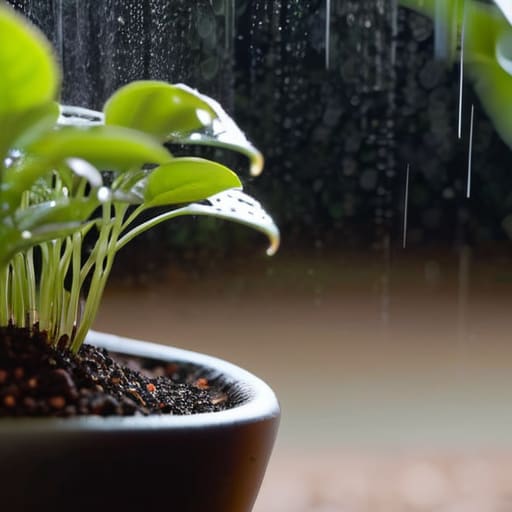
Once you’ve calculated your ideal target, you need to find the right “pot” to house those growing funds. I like to think of a high yield savings account for emergencies as the nutrient-rich, well-draining soil that allows your capital to flourish without being choked by inflation. Just as I wouldn’t plant a thirsty hydrangea in a shallow, cracked ceramic bowl, you shouldn’t let your hard-earned security sit in a standard checking account where it stagnates. You want a space that offers accessibility when a sudden “storm” hits, but provides enough interest to ensure your money is actually working for you while it rests.
As you begin transferring funds, remember that consistency is more important than sheer volume. It’s much like tending to a new sapling; you don’t drown it all at once, but rather provide steady, rhythmic care. Distinguishing between an emergency fund vs sinking fund is vital here—the former is your sturdy perimeter fence against the unexpected, while the latter is more like a seasonal flower bed for planned joys. By automating your contributions into that high-yield space, you’re essentially setting up an automated irrigation system for your peace of mind.
Pruning the Excess: 5 Ways to Tend to Your Financial Garden
- Weeding Out the Impulsive Spenders: Just as I’d clear away invasive ivy that chokes the life out of my delicate hydrangeas, you need to identify those small, recurring “weed” expenses—that daily overpriced latte or that subscription you never use—that are draining your resources before they can take root in your savings.
- Mulching Your Monthly Budget: Think of your budget as the nutrient-rich mulch that protects your soil; by automating a small portion of every paycheck directly into your emergency fund, you create a protective layer that prevents your hard-earned money from evaporating before you even have a chance to see it grow.
- Designing for Seasonal Shifts: In landscape architecture, we design for the extremes—the scorching summer droughts and the sudden winter freezes—so your fund shouldn’t be a static number, but a flexible design that accounts for life’s unpredictable seasons, like sudden job shifts or unexpected home repairs.
- Don’t Overcrowd Your Planting Beds: It’s tempting to try and save everything at once, but if you try to plant a thousand seeds in a tiny pot, none will thrive; start with small, manageable “seedlings” of savings, and as your financial confidence grows, you can expand the garden.
- Protecting Your Perennials: Treat your emergency fund like my favorite, most stubborn lavender—once it’s established, it needs to be left alone to flourish; resist the urge to “dig it up” for non-emergencies, or you’ll find yourself back at square one when a real storm rolls through.
Tending to Your Financial Garden

As we’ve explored throughout this journey, building an emergency fund isn’t about hoarding resources; it’s about intentional cultivation. We’ve discussed how to identify your specific target amount—ensuring you have enough coverage for life’s unexpected droughts—and the importance of choosing a high-yield savings account to act as the nutrient-rich soil for your growing capital. Just as I wouldn’t dream of leaving a sapling like Barnaby the Boxwood without proper drainage, you shouldn’t leave your financial security to chance. By defining your goals and selecting the right environment for your money to thrive, you are essentially building a resilient ecosystem that can withstand the unpredictable storms of life.
At the end of the day, a well-tended garden doesn’t just look beautiful; it provides a sense of profound peace and sanctuary. Your emergency fund serves the exact same purpose for your spirit. It is the invisible root system that keeps you upright when the winds of job loss or medical bills begin to howl. Don’t feel discouraged if your progress seems slow at first; even the most magnificent oaks started as tiny, vulnerable seeds. Keep planting, keep nurturing, and soon you will find yourself standing in a lush landscape of stability, ready to face whatever the seasons may bring with a calm and steady heart.