I was hunched over my sketchbook last Tuesday, trying to map out a new terrace design, when I realized my chest felt as tight as a parched clay pot in mid-August. Even surrounded by my favorite ferns—little Barnaby and Pip, who I swear can sense when I’m spiraling—the urban hum of the city was getting under my skin. It’s easy to get caught up in the idea that you need a mountain retreat or an expensive wellness retreat to find peace, but honestly, most of those high-priced “mindfulness retreats” are just noise. We often overlook the simplest, most organic tool we possess: the very air that feeds our lungs and our gardens. Finding effective breathing exercises for stress shouldn’t feel like another chore on your to-do list; it should feel like returning to your roots.
I’m not here to sell you on some mystical, complicated ritual that requires an hour of silence and a silk cushion. Instead, I want to share the practical, rhythmic techniques I use when the chaos of a construction site or a deadline starts to wilt my focus. I promise to give you straightforward, grounded methods that you can implement anywhere—from a crowded subway to your own backyard. We’re going to treat your breath like a well-designed landscape: something to be cultivated, nurtured, and used to create a sense of sustainable inner calm.
Table of Contents
- The Art of Diaphragmatic Breathing Benefits for Your Inner Landscape
- Mastering the Box Breathing Technique for Anxiety and Mental Clarity
- Pruning the Chaos: Five Rituals to Cultivate Calm in Your Daily Landscape
- Cultivating Your Internal Ecosystem: Three Lessons for a Calmer Mind
- ## The Rhythm of the Living Earth
- Tending to Your Internal Ecosystem
- Frequently Asked Questions
The Art of Diaphragmatic Breathing Benefits for Your Inner Landscape

When I’m sketching a new layout for a rooftop garden, I often find myself staring at the lines, feeling my chest tighten as the deadline looms. In those moments, I turn to the most fundamental tool in my kit: the breath. I like to think of diaphragmatic breathing as the deep, rich root system of our internal garden. When we practice this, we aren’t just taking in air; we are triggering parasympathetic nervous system activation, signaling to our bodies that the storm has passed and it is safe to grow again. It’s the difference between a shallow, frantic sprout and a sturdy, deep-rooted oak.
By focusing on expanding the belly rather than the chest, you are essentially pruning away the frantic energy that accumulates during a chaotic workday. This intentional shift is vital for reducing cortisol through breathwork, allowing that physiological “weeding” to clear the path for clarity. Just as I might whisper encouragement to Barnaby, my sprawling Monstera, to help him settle into a new corner, you must use these deep, rhythmic pulls of air to settle your own spirit. It is a way of tending to your inner soil, ensuring you have the stability to bloom even in the most concrete-heavy environments.
Mastering the Box Breathing Technique for Anxiety and Mental Clarity

When I’m out in the field, sketching a new layout for a rooftop terrace, my mind can sometimes race faster than a vine of Clematis—I call her ‘Clara’—climbing a trellis. In those moments of mental clutter, I turn to the box breathing technique for anxiety to steady my hand. It’s a rhythmic, structural approach to breath, much like the geometric precision of a formal French garden. You inhale for four counts, hold for four, exhale for four, and hold again for four. It creates a mental perimeter, a sacred boundary that keeps the chaos of the world at bay.
This isn’t just a way to pass the time; it is a deliberate way of triggering parasympathetic nervous system activation. By forcing your breath into this steady, square pattern, you are essentially sending a signal to your brain that the storm has passed and it is safe to rest. It’s incredibly effective at reducing cortisol through breathwork, allowing you to transition from a state of frantic survival back into a state of creative flow. Just as I prune a hedge to reveal its true form, this practice prunes away the excess noise of a busy mind.
Pruning the Chaos: Five Rituals to Cultivate Calm in Your Daily Landscape
- Find Your Anchor in Nature: When the urban noise feels like it’s encroaching on your personal garden, step outside. I often find that rhythmic breathing becomes infinitely easier when I’m sitting near ‘Barnaby,’ my oversized, leafy Monstera. The gentle sway of real leaves provides a visual metronome for your breath, helping you sync your inhale with the natural world.
- The Micro-Break Meadow: You don’t need a sprawling estate to find peace; you just need a moment. Treat your breath like a tiny, well-tended herb garden. Even in the middle of a hectic workday, taking sixty seconds to focus solely on the sensation of air entering your lungs acts like a quick pruning session, cutting away the dead weight of stress before it overgrows.
- Scent-Scaping Your Sanctuary: Just as I select specific aromatics to set the mood in a courtyard design, use scent to trigger your breathing exercises. Keep a small vial of lavender or cedarwood nearby. As you inhale deeply, let the aroma act as a sensory guide, pulling your focus away from racing thoughts and back into the physical reality of your breath.
- Posture as a Foundation: Think of your spine as the central trellis of a climbing rose. If the trellis is collapsed, the plant can’t reach the sun. Sit tall and open your chest; this physical alignment ensures your lungs have the structural space they need to expand fully, preventing the shallow, frantic breathing that often accompanies a spike in anxiety.
- The Evening Wind-Down Weeding: Before you retreat to sleep, perform a mental “weeding” session. As you lie in the dark, use slow, extended exhales to consciously release the tension held in your shoulders and jaw. Imagine each breath is carrying away a stray weed of worry, leaving your mental soil clean, quiet, and ready for restorative rest.
Cultivating Your Internal Ecosystem: Three Lessons for a Calmer Mind
Just as I wouldn’t plant a delicate fern in a parched, sun-scorched corner, don’t force complex meditation when you’re in a frantic state; start with the simple, rhythmic foundation of diaphragmatic breathing to stabilize your soil before moving to more structured techniques.
Think of your breath as the irrigation system for your soul—consistent, intentional patterns like Box Breathing ensure that mental clarity reaches even the most neglected, high-stress corners of your daily life.
Remember that mindfulness isn’t a one-time landscaping project but a continuous act of tending; treat your breathing exercises as daily rituals of care, much like I tend to my dear little Lavender, ‘Luna,’ to ensure she flourishes through every season.
## The Rhythm of the Living Earth
“Just as I carefully prune a wayward branch to let the sunlight reach the roots of my dear little Fernsby, breathing is the way we prune the chaos from our own minds, clearing a path for the soul to finally find its light again.”
Francesco Fletcher
Tending to Your Internal Ecosystem
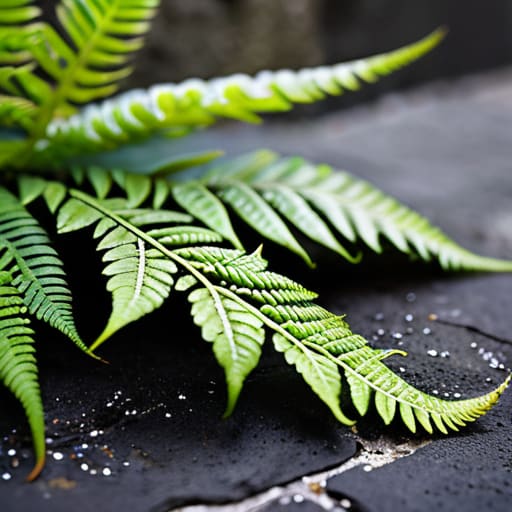
As we’ve explored through our journey today, finding calm isn’t about forcing stillness; it’s about learning the right rhythm. Whether you are leaning into the deep, grounding roots of diaphragmatic breathing or finding structure through the steady cadence of box breathing, you are essentially pruning away the chaos of a frantic day. Just as I might carefully select a specific fern—let’s call him Barnaby—to soften the harsh edges of a concrete courtyard, these techniques allow you to soften the sharp, jagged edges of stress. By integrating these practices, you aren’t just managing symptoms; you are actively cultivating a more resilient inner landscape that can weather any urban storm.
Ultimately, remember that your breath is the most fundamental tool in your design kit. You don’t need a sprawling estate or a perfectly manicured Zen garden to find peace; you only need the space between your inhales and exhales. Treat your mental well-being with the same devotion and patience I give to a newborn sapling in a new garden bed. Be gentle with yourself as you learn these new rhythms, and trust that with consistent care, you will bloom even in the most crowded environments. Go forth, breathe deeply, and let your soul find its own natural harmony.
Frequently Asked Questions
How can I integrate these breathing rhythms into a busy urban lifestyle without feeling like I'm just adding another chore to my to-do list?
Think of these rhythms not as tasks to complete, but as “micro-prunings” for your mind. You don’t need a sprawling meadow to find peace; you can practice a single box breath while waiting for your espresso or during a red light. Just as I might pause to whisper a quick hello to Barnaby, my favorite fern, during a hectic site visit, these tiny moments of breath are seamless, natural interludes that nourish you without demanding extra time.
Are there specific natural environments or outdoor settings that can help amplify the calming effects of these techniques?
Oh, absolutely. Just as I wouldn’t plant a thirsty fern in a desert, your breath seeks its own perfect ecosystem. I find that practicing near moving water—a babbling brook or even a gentle fountain—acts like a natural metronome for your rhythm. Or, find a dense canopy where the sunlight filters through like stained glass; the dappled light and the scent of damp earth create a sensory sanctuary that makes every exhale feel like a homecoming.
If I find my mind wandering during a session—much like a vine growing in the wrong direction—how do I gently guide my focus back to my breath?
Oh, I know that feeling all too well! It’s just like when a wayward Clematis starts scaling my trellis in a direction I didn’t intend—it’s not a failure, just a bit of natural redirection. When your thoughts drift, don’t prune them away harshly. Instead, treat your focus like a delicate seedling. Gently acknowledge the wandering thought, give it a little nod, and then softly guide your attention back to the rhythmic rise and fall of your breath.