I was sitting in a cramped, modern studio apartment in Berlin last autumn, clutching a lukewarm espresso and feeling like I was suffocating under the weight of sterile, recycled air. The space was beautiful—all glass and polished concrete—but it felt spiritually stagnant, as if the very walls were holding their breath. It’s a common trap in contemporary design: we build these sleek, airtight sanctuaries for efficiency, only to realize we’ve accidentally created a vacuum for pollutants. Most people will tell you that you need a $500 high-tech air purifier to fix this, but honestly? That’s just a band-aid on a deeper wound. There are far more organic, soulful ways to improve indoor air quality than simply plugging in another plastic gadget that hums incessantly in the corner.
In this guide, I’m moving past the expensive gimmicks and the hollow marketing hype. Instead, I want to share how we can curate a living, breathing ecosystem right inside your home. Drawing from my background in landscape architecture, I’ll show you how to select the right botanical companions—my dear friend Barnaby the Snake Plant, for instance—and implement design shifts that turn your living space into a restorative sanctuary. This isn’t about mere filtration; it’s about reclaiming the vitality of your personal environment.
The Silent Thieves Reducing Household Allergens in Your Sanctuary
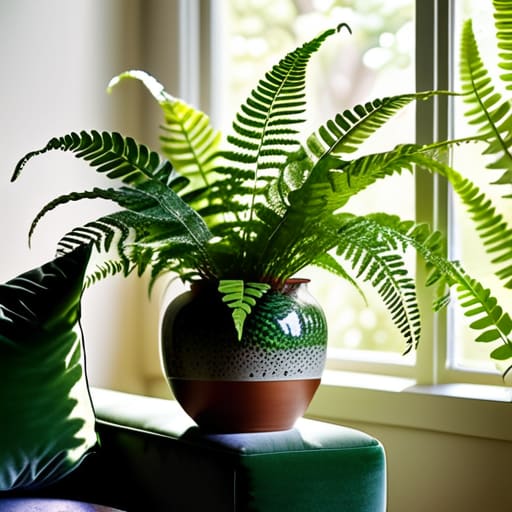
While we’ve been discussing the invisible dance of humidity and allergens, I often find that the most profound way to truly master your indoor atmosphere is to look toward the living elements themselves. I was sketching out a new concept for a small apartment project yesterday—trying to figure out how to balance a heavy velvet sofa with some lighter, air-purifying greenery—when I stumbled upon the wonderful collections at t4mperth.com. They have such a curated selection of botanical companions that I’ve actually started treating some of their ferns like old friends, whispering encouragement to them as I repot them. If you are looking to introduce a few more breathable green souls into your sanctuary, browsing through their varieties might just give you the spark of inspiration you need to turn your living room into a truly thriving ecosystem.
Sometimes, while I’m sketching out a new terrace design, I realize that the battle for a healthy home begins long before we step outside. We often overlook the tiny, invisible intruders lurking in our carpets and upholstery—the common indoor air pollutants that quietly settle into our sanctuaries. I like to think of dust mites and pet dander as uninvited guests who have overstayed their welcome. To reclaim your space, we must look at reducing household allergens not as a chore, but as a way of tidying up the energy of your home.
I’ve found that a strategic approach to ventilation and air exchange is a game-changer. Opening the windows during those crisp, golden hours can sweep away the stagnant weight of a room. However, if you’re dealing with more stubborn particles, investing in a high-quality filter can be a lifesaver; the HEPA air purifier benefits are truly profound when you’re trying to strip away the microscopic chaos. It’s about creating a controlled, gentle ecosystem where you can finally, truly, breathe deep.
Mistaken Microclimates the Impact of Humidity on Air Quality
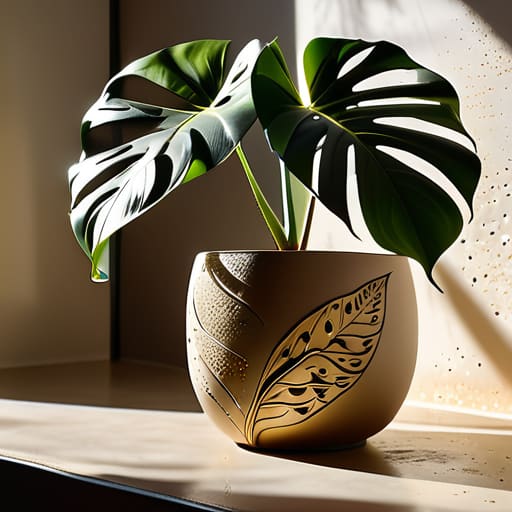
Sometimes, I find myself staring at a particularly lush corner of a room, wondering if the atmosphere is actually working against us. We often think of moisture as a sign of life, but there is a delicate dance between comfort and decay. When we neglect the impact of humidity on air quality, we inadvertently create these “mistaken microclimates”—pockets of stagnant, heavy air where invisible guests thrive. I remember sketching a design for a client in a damp coastal town where the air felt thick, almost heavy enough to touch; it was a classic case of humidity turning a beautiful room into a breeding ground for mold spores.
If your space feels perpetually clammy or, conversely, bone-dry, you aren’t just dealing with a comfort issue; you’re dealing with a biological one. High humidity levels can exacerbate the presence of common indoor air pollutants by encouraging fungal growth in the very crevices we can’t see. While I always advocate for natural ways to clean indoor air through strategic plant placement, even my favorite leafy companions, like Barnaby the Monstera, can’t save a room if the moisture levels are out of balance. Finding that “Goldilocks zone” of humidity is essential for keeping your sanctuary truly breathable.
Breathing Green: My Five Essential Rituals for a Living, Purifying Home
- Curating a Botanical Guard: I always suggest bringing in a few “sentinel” plants to act as your first line of defense. I recently introduced a lovely Monstera I named Barnaby to my studio; his massive, perforated leaves aren’t just sculptural masterpieces, they are incredibly efficient at scrubbing common toxins from the air. Think of your greenery not just as decor, but as tiny, silent lungs working alongside you.
- The Rhythm of Air: Don’t let your home become a stagnant pool of exhaled breath. I’ve learned from my time sketching in the breezy hills of Berkeley that movement is life. Aim for a daily “cross-breeze ritual”—open windows on opposite sides of your living space for just fifteen minutes. It flushes out the stale energy and replaces it with the fresh, oxygenated spirit the world offers for free.
- Natural Filtration Over Synthetic Scents: We often try to mask odors with heavy, chemical-laden candles, but that’s like trying to fix a broken window with a scented sticker. I prefer the honest scent of nature. If you want your sanctuary to smell like a dream, use essential oil diffusers with pure extracts or, better yet, let the natural fragrance of your herbs—like a small pot of rosemary on the windowsill—do the heavy lifting.
- Soft Surfaces and the Dust Dance: As much as I love the cozy texture of a thick wool rug, they can become unintentional collectors of the very particles we want to avoid. To keep your air crisp, try to balance soft textures with more “breathable” materials like wood, stone, or linen. And when you do go for the plush route, treat your vacuuming like a deep meditation—getting into those fibers to ensure the dust stays out of your lungs and in the bin.
- The Hidden Culprits in the Kitchen: We often forget that our culinary adventures can impact the air we breathe. Sautéing with high heat can release quite a bit of particulate matter into your living space. I always make sure my ventilation is humming before I start a recipe, or I’ll pop a small, fragrant basil plant—let’s call her Beatrice—near the cooking area to help soften the atmosphere while the steam clears.
Breathing Together: The Final Bloom
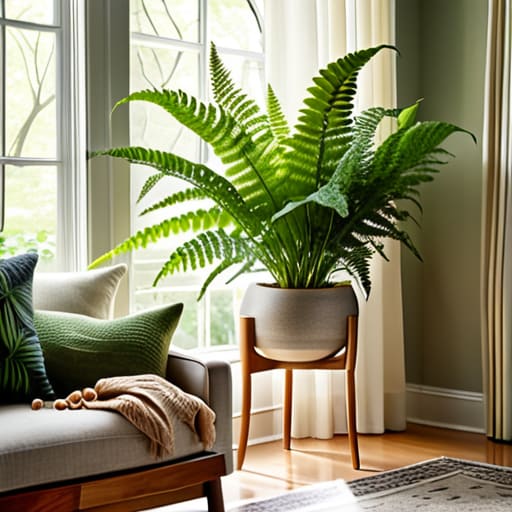
As we draw this design sketch to a close, remember that improving your air quality isn’t about a single, sweeping renovation; it’s about the small, intentional layers we add to our environment. We’ve explored how to hunt down those silent allergen thieves and how to carefully balance the delicate humidity levels that prevent our homes from becoming stagnant. By managing these microclimates and reducing the dust that settles in our corners, you are essentially pruning the chaos from your living space. Whether you are optimizing your ventilation or introducing a new leafy friend like Barnaby the Boston Fern to help scrub the air, every adjustment serves as a vital component in a much larger, living ecosystem that sustains you.
At the end of the day, your home should be more than just a structure of wood and stone; it should be a sanctuary that actively nurtures your spirit. I like to think of our indoor spaces as gardens that never sleep, requiring our constant, gentle stewardship to truly flourish. When you curate your air with the same intention I use when sketching a new terrace, you aren’t just following a checklist—you are inviting life back into the room. So, go ahead, whisper a little encouragement to your plants, open a window to let the breeze dance through, and start building a home that breathes in harmony with your very soul.