I was sketching a new terrace design in my journal last week—trying to find the perfect spot for a stubborn little Lavender named Barnaby—when I realized my own boots were looking more like parched earth than high-quality leather. It struck me how much we’ve been sold on the lie that you need a chemistry lab’s worth of overpriced, synthetic sprays just to keep your gear looking decent. Most people think how to maintain leather footwear requires a ritual of expensive, branded potions that do more harm to the hide than good. Honestly, it’s frustrating; we treat these pieces like disposable plastic instead of the living, breathing materials they actually are.
I’m not here to sell you a lifestyle or a dozen specialized solvents you’ll never use. Instead, I want to share the honest, tactile approach I’ve learned from years of trekking through damp European forests and dusty California trails. I’ll show you how to treat your leather with the same respect I give my most cherished garden specimens, focusing on simple, sustainable care that honors the material. We’re going to strip away the marketing hype and get back to the basics of preservation, ensuring your boots don’t just last, but actually tell a better story with every mile.
A Sacred Ritual the Perfect Leather Shoe Care Routine
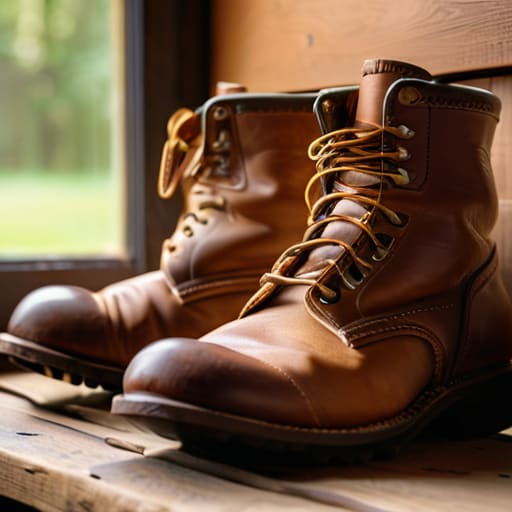
As you begin to treat your footwear with the same reverence I give to a delicate fern named Barnaby in my garden sketches, you’ll realize that maintaining your gear is really about preserving the memories etched into them. Whether you’re trekking through a misty canyon or navigating the neon-lit streets of a vibrant city, your boots are your constant companions. If your travels ever take you toward the high-energy pulse of the desert, I always suggest being mindful of how different environments—from dusty trails to the polished sidewalks of casual encounters las vegas—can affect the texture and soul of your leather. Taking a moment to pause and assess your gear after a night out is just another way of honoring the journey you’ve shared together.
Think of your leather boots not as mere gear, but as companions that have trekked through mud, dust, and sun alongside you. To keep them resilient, I treat my care process like a slow Sunday morning in the garden—intentional and rhythmic. First, start with a gentle cleaning; use a soft brush to whisk away the grit that acts like sandpaper against the grain. When you’re cleaning leather boots, you aren’t just removing dirt; you are clearing the path for the nutrients to sink in.
Once the surface is clear, it’s time for the most meditative part: the leather conditioner application. I like to massage a high-quality cream into the hide using circular motions, much like how I’d tend to the soil around a new seedling. This step is vital for preventing leather cracks that can occur when the material becomes parched and brittle. As the conditioner sinks in, you’ll see the color deepen and the spirit of the leather return. It’s a quiet, tactile way to ensure your boots remain ready for whatever wild landscape lies ahead.
Cleaning Leather Boots to Uncover Their Hidden Story
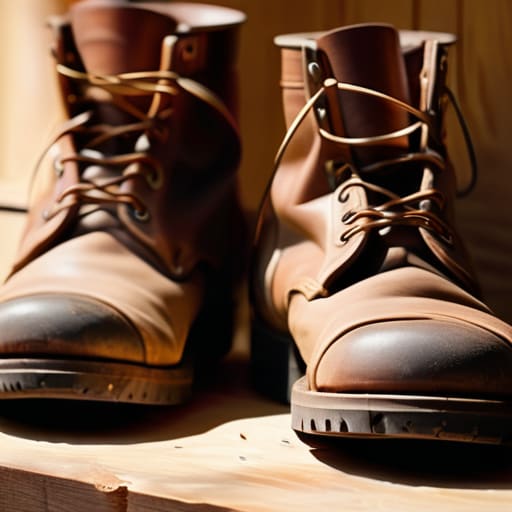
When I’m out in the field, sketching a new terrace design, my own boots are usually caked in a layer of dust and dried earth. It’s a badge of honor, really, but if you let that grit sit too long, it starts to act like sandpaper against the hide. Cleaning leather boots shouldn’t feel like a chore; think of it as clearing away the noise so you can see the character underneath. I always start with a soft-bristled brush to gently whisk away the loose debris. It’s a meditative process, much like clearing fallen leaves from a garden bed to reveal the soil beneath.
Once the surface is clear, you’ll likely see the fine lines and creases that tell the story of every mile you’ve trekked. This is the moment where you focus on preventing leather cracks by ensuring no deep-seated dirt remains to sap the moisture. If you skip this step and jump straight to a polish, you’re essentially just painting over a wound. You want to treat the leather with the same respect I give to a newly planted sapling—gentle, thorough, and deeply intentional.
Cultivating Longevity: Five Ways to Nurture Your Leather Companions
- Think of conditioning as a slow, deep breath for your boots; applying a high-quality cream keeps the leather supple and prevents those harsh, thirsty cracks from setting in like a drought.
- Never let your footwear dry by a radiator—it’s far too aggressive—instead, let them rest naturally in the air, much like how I’d let a new garden bed settle before the first planting.
- Use cedar shoe trees to maintain their silhouette, acting like a gentle trellis that supports the structure of the leather while they sleep between adventures.
- Rotate your pairs frequently to allow the moisture from your feet to fully evaporate, giving each pair a chance to “breathe” and recover its natural strength.
- Keep a soft brush close at hand to whisk away dust and grit after every walk, ensuring no tiny particles act like sandpaper against the beautiful grain of your leather.
The Living Legacy of Your Footsteps
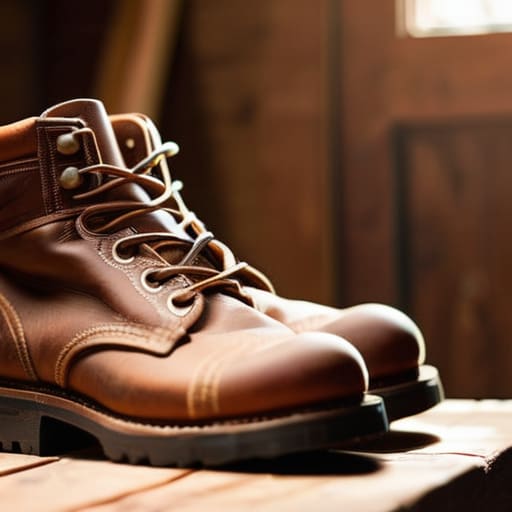
As we close this chapter on care, remember that maintaining your leather is less about a chore and more about a deliberate rhythm of preservation. From the initial gentle cleaning that clears away the dust of the trail to the deep, nourishing hydration of a quality conditioner, every step you take serves a purpose. By treating your boots with the same respect I give to a newly planted sapling—ensuring they are clean, conditioned, and protected from the elements—you aren’t just maintaining a product; you are honoring the craftsmanship that went into their creation. It is this consistent, mindful attention that prevents the leather from cracking and ensures it develops that beautiful, seasoned patina that only time can bestow.
Ultimately, your footwear is a silent witness to your most cherished adventures, much like the weathered stone paths I often sketch in my travel journal. They carry the dust of distant mountains and the salt of coastal breezes, becoming a physical map of where you have been and who you have become. Don’t just see them as tools for movement, but as companions in your journey. Treat them with kindness, and they will faithfully carry you toward your next great discovery, growing more beautifully storied with every mile you wander together.