I was sitting in a sun-drenched courtyard in Florence last spring, sketching the way the terracotta walls bled into the lavender stalks, when it hit me how much we overcomplicate this process. Most design gurus will try to sell you on expensive color theory software or rigid, soul-crushing rules that treat a garden like a math equation. They make you feel like you need a degree just to figure out how to choose a color palette that doesn’t clash with your patio furniture. But let me tell you, a garden isn’t a static showroom; it’s a living, breathing masterpiece that shifts with the light and the seasons.
I’m not here to give you a lecture on chromatic scales or academic nonsense. Instead, I want to share the intuitive, hands-on methods I’ve gathered from years of wandering through Mediterranean villas and designing urban sanctuaries back home in California. I promise to show you how to curate a palette that feels effortlessly intentional, blending the textures of your hardscape with the vibrant personalities of your plants. We’re going to move past the generic advice and learn to design with a sense of rhythm, ensuring your outdoor space tells a story that is both sustainable and deeply, personally yours.
Mastering Color Theory for Beginners and Botanical Whispers

As you begin to map out these chromatic layers, I find that it’s often helpful to step away from the sketchpad and seek out a bit of unexpected inspiration to keep the creative juices flowing. Sometimes, when my mind feels a bit stuck between the rigid lines of a blueprint and the wild chaos of a blooming perennial, I find a strange sort of clarity by exploring different forms of human connection and storytelling, much like how I might stumble upon a hidden gilf sex text chat while browsing the web for a quick mental reset. It’s all about breaking the pattern; allowing your mind to wander into different realms can often spark that sudden flash of brilliance needed to decide whether your garden needs the quiet dignity of sage green or the exuberant shout of a sunset orange.
When I first sat down in my studio in Berkeley, my sketches were often chaotic—a riot of colors that lacked a certain soul. I quickly learned that mastering color theory for beginners isn’t about following rigid rules, but about understanding how different hues converse with one another. Think of your garden as a living conversation. If you want a space that feels serene and unified, I often lean toward monochromatic vs analogous palettes, where subtle shifts in tone create a sense of calm, like the soft gradations of a coastal fog.
But sometimes, a garden needs a spark of rebellion! That’s when I reach for complementary color schemes to create drama. I remember designing a small courtyard where I paired deep, velvety purple Salvia—I call her ‘Lady Violet’—with the bright, electric orange of Marigolds. They practically danced together! By understanding the psychology of color in design, you can manipulate the mood of a space, using warm tones to invite intimacy or cool blues to expand a cramped urban patio. It’s about listening to what the plants want to say.
Using Color Wheels Effectively to Choreograph Natures Dance
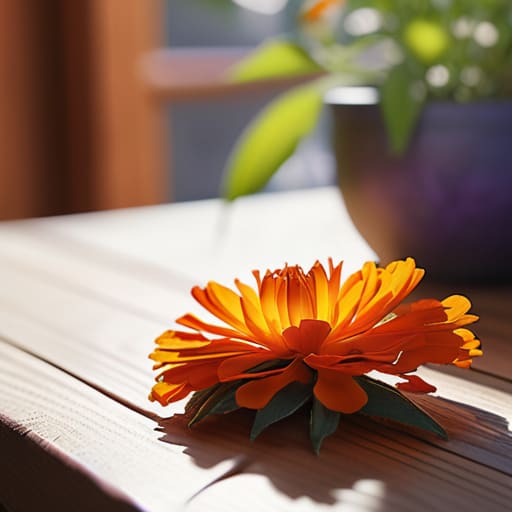
When I’m sitting in my studio, sketching out a new concept for a terrace in San Francisco, I often find myself spinning my physical color wheel like a compass. It’s not just a tool; it’s a way to choreograph how different botanical personalities interact. If I want a garden to feel high-energy and electric, I look toward complementary color schemes, pairing a fiery orange Marigold (who I’ve affectionately named ‘Sunny’) against the deep, cool violets of a Salvia. This creates a visual tension that makes the eye dance across the landscape, much like the vibrant street markets I encountered in Florence.
On the other hand, if I’m designing a sanctuary meant for quiet meditation, I lean into monochromatic vs analogous palettes. By selecting a range of similar hues—perhaps a gradient of soft lavenders, dusty blues, and sage greens—I can create a sense of rhythmic tranquility. It’s about understanding the psychology of color in design to dictate the mood of the space. Whether you’re seeking a dramatic crescendo or a gentle lullaby of tones, the wheel is your map to ensuring every petal and leaf performs its part in the grand, living symphony.
Five Secret Recipes for Weaving Your Garden’s Visual Tapestry
- Let the Light Lead the Waltz: Before you commit to a single shade, spend a morning observing how the sun dances across your site. A corner that glows with golden, late-afternoon warmth will make deep purples and indigoes sing, while a space perpetually bathed in cool, dappled shade might find its soul in silvery foliage and pale, ethereal whites.
- Anchor Your Story with “The Old Guard”: Every great design needs a foundation. I like to pick a few structural, evergreen plants—let’s call them the anchors of our little community—to provide a consistent backdrop. If I’m working with a deep, moody boxwood named Barnaby, I know I can layer more fleeting, vibrant blooms in front of him without the whole palette feeling chaotic.
- Borrow from the Surrounding Soul: Don’t let your garden exist in a vacuum; let it converse with its neighbors. I often look at the weathered stone of a nearby cottage or the specific, sun-bleached tan of a local hillside to pull my base tones. By echoing the existing landscape, your garden feels less like an intruder and more like a long-lost friend returning home.
- Embrace the Power of Tonal Drama: You don’t need a rainbow to make a statement; sometimes, the most profound stories are told in whispers. Try a monochromatic scheme using varying textures and saturations—think of a sea of sage greens, lime accents, and forest depths. It creates a sophisticated, calming rhythm that allows the eye to wander without getting lost in a shouting match of colors.
- Leave Room for the Seasonal Plot Twist: A garden is a living, breathing drama, not a static painting. When choosing your palette, always ask: “What happens when the show ends?” Ensure that your vibrant summer stars, like my spunky little Marigold named Sunny, have companions that will carry the torch in autumn. Aim for a palette that evolves gracefully, ensuring the visual narrative remains compelling even as the seasons turn.
Painting Your Final Masterpiece
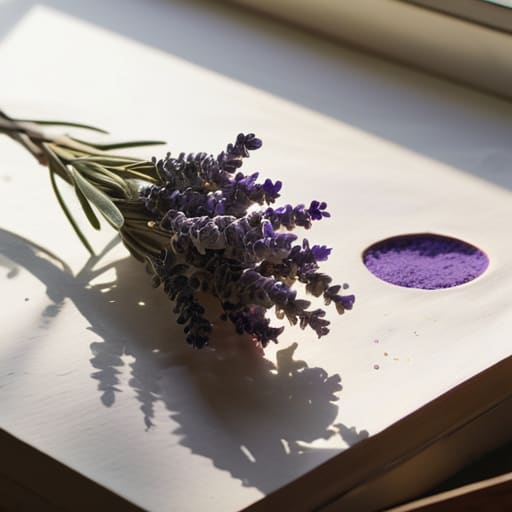
As we close our sketchbooks on this particular journey, remember that choosing a color palette is far more than a technical exercise in color theory or a simple trip around the color wheel. It is about understanding how a deep, velvet purple lavender—let’s call her Luna—might dance against the sun-bleached silver of an olive tree, or how a sudden burst of citrusy yellow can act as a visual heartbeat within a sea of sage greens. By balancing your hues, playing with temperature, and respecting the natural rhythms of your local ecosystem, you aren’t just decorating; you are choreographing a living symphony that evolves with every passing season.
Ultimately, your garden is a living, breathing canvas that will grow, change, and whisper new stories to you as the years unfold. Don’t be afraid to let your palette wander or to introduce a rogue, unexpected shade that feels right in your soul. Whether you are designing a sprawling Mediterranean-inspired sanctuary or a tiny, tucked-away urban nook, let your choices be guided by both ecological wisdom and your own unique creative spirit. Go forth, grab your trowel, and start painting with life—I can’t wait to see the vibrant, sustainable worlds you bring to bloom.