I was sketching a new terrace design for a client in Oakland last Tuesday—trying to decide if “Barnaby,” my sprawling Japanese Maple, needed more dappled shade—when I looked down and saw a single, translucent plastic bag snagged on a thorn bush. It felt like a tiny, suffocating ghost haunting the very landscape I’m trying so hard to heal. We often get caught up in massive, expensive eco-tech solutions, but we overlook the quiet, cumulative impact of our daily errands. People talk about the benefits of switching to reusable shopping bags as if it’s some grand, heroic gesture, but it’s actually much more intimate than that; it’s about refusing to let our convenience become a permanent scar on the earth.
I’m not here to lecture you with dry statistics or sell you a lifestyle you can’t afford. Instead, I want to share what I’ve learned from years of studying how human habits ripple through the ecosystems we inhabit. I’ll be diving into the real, tangible benefits of switching to reusable shopping bags through the lens of a designer who views every choice as a seed planted for the future. We’re going to look at how this one simple, intentional shift can actually protect the vibrant, living canvases we call home.
Reducing Single Use Plastic Waste to Protect Our Living Canvases
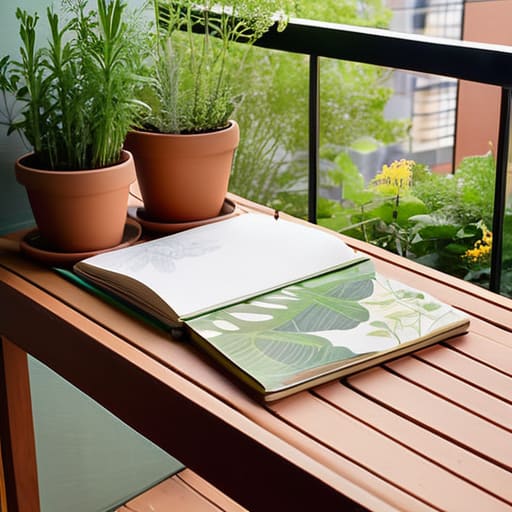
Sometimes, when I’m sketching out a new terrace design or trying to figure out how to better integrate native flora into a tight urban balcony, I realize that making these eco-conscious shifts can feel a bit overwhelming if you’re navigating them alone. It’s much like tending to a new garden; you need a community to share insights with. I’ve found that finding a space to exchange ideas and gather practical, everyday wisdom makes the transition to a zero-waste lifestyle feel less like a chore and more like a shared adventure. If you’re looking for a place to connect with others who are passionate about mindful living and meaningful change, spending some time on Tgladies chat can be a wonderful way to find your tribe and keep that creative, sustainable momentum flowing.
When I’m out sketching in my journal, I often find myself staring at the delicate veins of a leaf or the intricate patterns of moss, marveling at how perfectly nature designs its own systems. It breaks my heart to see those same systems choked by the heavy, suffocating presence of discarded plastic. The environmental impact of plastic bags is a silent thief; they don’t just disappear, they fragment into tiny, invisible invaders. I often think about how these microplastics eventually find their way into the very soil and water that sustain the vibrant ecosystems I strive to protect in my designs.
By committing to reducing single-use plastic waste, we aren’t just cleaning up a landfill; we are actively defending the sanctity of our living canvases. I like to view my canvas tote as a piece of essential gear, much like my drafting pencils or my favorite pruning shears. Making the switch is one of those small, beautiful sustainable lifestyle changes that ripple outward. Every time we choose a durable, reusable vessel over a flimsy plastic one, we are essentially whispering a promise to the earth that we intend to keep its landscapes pristine and breathing.
Nurturing Sustainable Lifestyle Changes Within the Urban Rhythm

Integrating these small, intentional shifts into the frantic pace of city life can feel like trying to cultivate a delicate fern in a wind tunnel, but it’s entirely possible if we treat our habits like a seasonal garden. I’ve found that the key to sustainable lifestyle changes isn’t about achieving perfection overnight; it’s about the rhythm of preparation. Just as I wouldn’t dream of starting a garden layout without checking the soil first, I never head to the local market without my trusty linen totes tucked into my messenger bag. It becomes a ritual—a quiet, mindful moment before the urban chaos takes over.
When we commit to these eco-friendly grocery shopping habits, we aren’t just avoiding a momentary inconvenience; we are actively participating in the preservation of our shared ecosystems. I often think about how a single discarded bag can eventually fragment into those insidious microplastics in marine ecosystems, drifting far from the concrete jungles where they originated. By choosing to carry our own vessels, we weave a thread of intention into the very fabric of our daily commutes, ensuring our urban existence leaves a gentle footprint rather than a permanent scar.
Curating Your Daily Kit: Five Intentional Rituals for a Greener Journey
- Treat your reusable bags like your favorite gardening tools; keep a few tucked into your backpack or the glove compartment of your car so you’re never caught unprepared when the moment for a sustainable choice arises.
- Select vessels that reflect your personal aesthetic, much like choosing the right texture for a stone pathway, opting for durable organic cotton or recycled hemp that feels as good in your hand as it does for the earth.
- Think of your shopping bag as a companion in your urban adventure; investing in high-quality, heavy-duty designs means you won’t be constantly replacing them, much like how I prefer planting long-lived perennials like ‘Barnaby’ the Oak over fleeting annuals.
- Embrace the beauty of minimalism by choosing versatile, multi-sized bags that can handle everything from a delicate bunch of wildflowers to a heavy haul of local produce, reducing the clutter in your life and your landfill.
- Share the story of your transition with your community, because just as a well-designed garden inspires neighbors to plant their own seeds, seeing your intentional choices can spark a beautiful, collective movement toward mindful living.
Cultivating a Greener Legacy

As I sit here in my studio, sketching out a new courtyard design and whispering a little encouragement to Barnaby, my stubborn little Boxwood shrub, I’m reminded that every great landscape begins with small, intentional choices. Transitioning to reusable bags isn’t just about cutting down on plastic waste or tidying up our urban corridors; it’s about recognizing the interconnectedness of our daily rituals and the natural world. By choosing durable, reusable vessels, we effectively reduce the heavy burden of single-use plastics on our oceans and soil, ensuring that the ecosystems we strive to protect remain vibrant and untainted by synthetic debris. It is a way of honoring the delicate balance between our modern convenience and the wild, breathing beauty that sustains us all.
Ultimately, I want you to view this shift not as a chore, but as a way of tending to your own personal garden of impact. Just as I carefully select each stone and seedling to create a harmonious sanctuary, your decision to carry a reusable bag is a single, beautiful stroke on the vast canvas of environmental stewardship. Let’s move through our cities with a renewed sense of purpose, treating every small action as a seed planted for a more sustainable tomorrow. Together, we can ensure that the landscapes we leave behind are not choked by waste, but are instead flourishing, living masterpieces for the generations to come.