Did you know that top-notch artificial turf can last up to 20 years with the right care? This fact shows the strength and long life of fake grass. Yet, some still hold onto wrong ideas about using it. As we look into artificial lawn myths, it’s key to know what’s true and what’s not. In this article, I’ll set the record straight on various thoughts about synthetic turf. This includes where it comes from, how much it costs, and looking after it. Artificial Lawn Myths have spread, often from old or wrong info online. Let’s find out what’s really true about these myths and give homeowners the real scoop on synthetic turf.
Key Takeaways
- Artificial turf can last between 15 to 20 years with proper care.
- High-quality synthetic grass saves time and resources due to minimal maintenance.
- Initial investment costs for artificial grass may be higher, but long-term savings are significant.
- SmartGrass products, like the Earth Series, offer exceptional durability and are 100% recyclable.
- Misconceptions about costs and maintenance can prevent homeowners from making informed decisions.
The Origins of Artificial Lawn Myths
The myths about artificial grass started with some misunderstandings. When artificial turf appeared in the late 1950s, it was cheaper than real grass. This led to wrong ideas about its appearance and quality.
Some think artificial grass looks fake. This comes from how early artificial turf didn’t look like real grass. Today, the industry has improved a lot. It offers many turf types with various features like blade length and colors. Yet, some still hold onto old views about synthetic turf’s looks.
Concerns about the environment influenced these myths too. Early artificial grass used materials that were not eco-friendly. This caused worries about safety and pollution. But the industry has come up with better technologies. Now, artificial grass looks good and is safe for the planet.
Understanding these myths helps see how they affect views on synthetic grass even now. With new tech, artificial lawns have gotten much better. I hope those unsure about artificial grass will learn the real benefits it offers today.
Myth: Artificial Grass Is Made from Old Tires
There’s a common myth that artificial grass is mainly old tires. This is due to the crumb rubber found in many sports fields. However, this view misses how artificial turf has changed and the safer infills now used.
Nowadays, artificial grass uses safe, natural infills like silica sand and cork. These materials are safe for kids and pets. They are chosen for areas where kids play, offering cleanliness and safety. Such lawns also minimize mud, fight germs, and keep pests away.
The benefits of synthetic turf include helping the environment. They save a lot of water – up to 99,000 gallons for a medium yard. They also mean you don’t need harmful chemicals to keep them green.
Though artificial turf costs more at first than regular grass, it saves money over time. You’ll spend less on water, cutting, and upkeep. Plus, the right synthetic turf drains better, great for places that get lots of rain.
So, the story about artificial grass and old tires is wrong. Modern artificial turf offers many benefits and innovations that make it a smart choice.

Artificial Lawn Myths: The Truth About Costs
Many people think artificial grass is costly. Yet, when you look at the long run, it’s a different story. The upfront cost is higher than real grass, for sure. But when you factor in long-term savings, it’s worth it.
Initial Investment vs. Long-Term Savings
The starting price of artificial grass is more, but it pays off. It lasts 12 to 15 years, making the yearly cost lower. Think about the water bills you won’t have. No more spending on lawn care or fertilizer.
Maintenance Costs Compared to Natural Grass
When it comes to upkeep, artificial grass is cheaper. Forget the costs of fighting pests or redoing your lawn. Thanks to new technology, it stays green without much effort. This means more time and money saved for homeowners.
Are Artificial Lawns Maintenance-Free?
Some think artificial lawns need no care. This isn’t quite true. While they are easier than real grass, they do need some attention. To keep them looking their best and last longer, a few upkeep tasks are key. Here’s what I suggest:
Routine Maintenance Tasks Explained
- Removing debris like leaves and branches keeps the lawn looking nice and stops smells.
- Rinsing the turf often removes dust, dirt, and smells from pets. This makes the area nicer for all.
- Raking areas that get a lot of use helps spread the infill evenly. It keeps the grass level.
- Adding more infill is important to keep the turf’s shape and feel.
Doing these simple tasks can greatly improve your artificial lawn’s state. While it’s easier than looking after real grass, it still requires some effort. Paying attention to these details helps maintain its look.
Impact of Pets on Maintenance
Pets can affect how much care a lawn needs. Artificial grass is cleaner and safer for them. But, pets do mean a bit more work to keep the lawn fresh. Here’s what helps:
- Rinsing often keeps away smells and dirt, keeping it clean.
- For tough stains, use cleaners safe for pets.
- Brush the grass regularly to keep it looking fresh and upright.
Knowing how pets use fake grass helps me keep my yard clean and free from smells. Handling the specific upkeep tasks, especially with pets, keeps my home happy and healthy for everyone.
Safety of Synthetic Turf: Debunking Misconceptions
Many people worry about the safety of synthetic turf based on old info. I want to make it clear that the latest artificial grass is safe. It’s made with non-toxic, lead-free materials for kids and pets.
Earlier forms of artificial grass raised safety concerns, especially about heat. But now, things have changed. Today’s artificial grass has holes every six inches for water to drain, much like natural grass. It keeps the ground free from water and mud, making it safer for everyone.
Also, good quality artificial turf can last up to 20 years with little care. It saves money over time because there’s no need for water, mowing, or fertilizers. This makes it a green choice for those who care about our planet.
The turf’s materials, like nylon and polypropylene, are safe and widely used. With just a little maintenance, artificial grass stays clean and safe. Studies show that getting hurt on synthetic turf isn’t more common than on real grass.
To wrap it up, choosing modern synthetic turf means picking a safe, green, and beautiful option for your outdoor spaces.
Myth: Artificial Grass Looks Fake
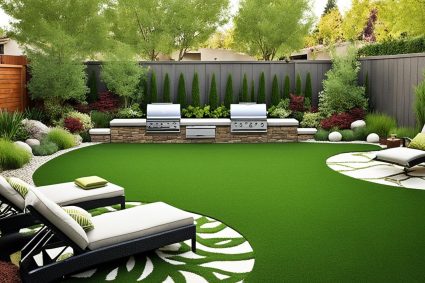
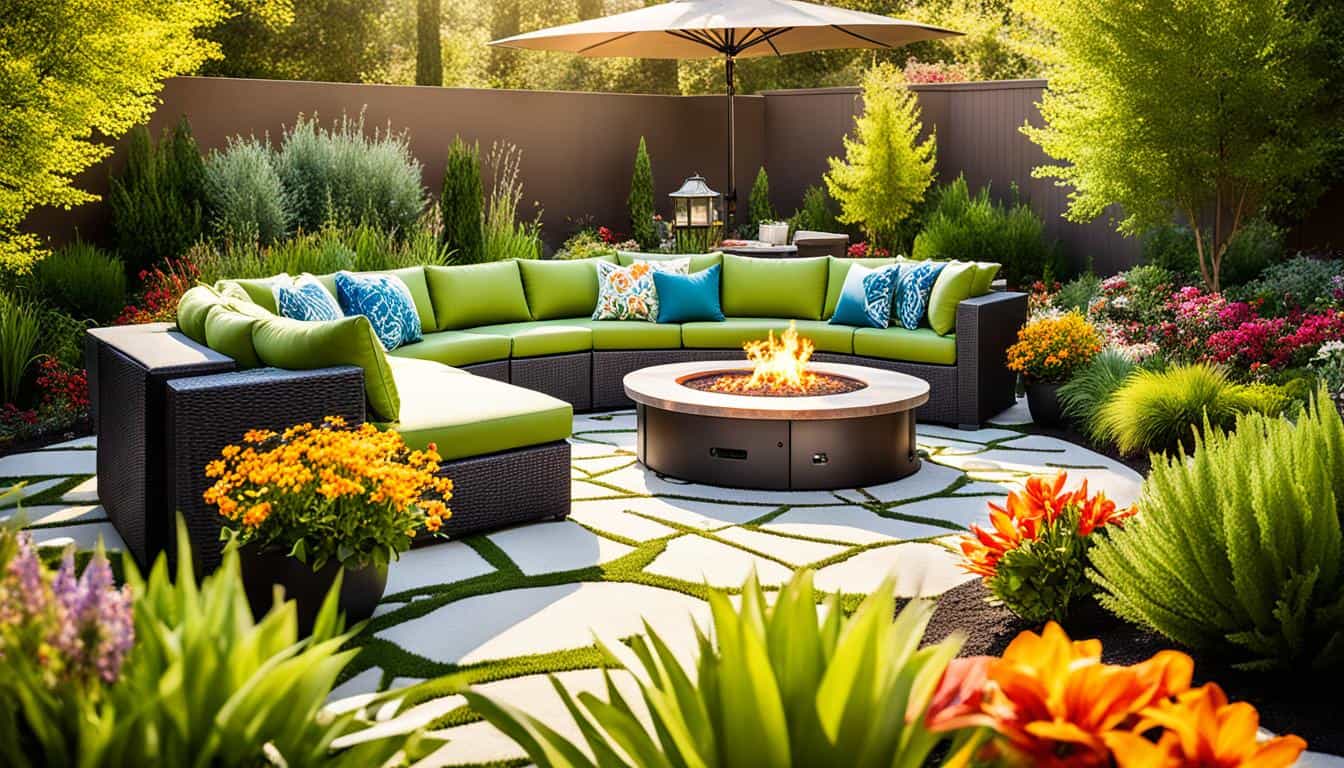
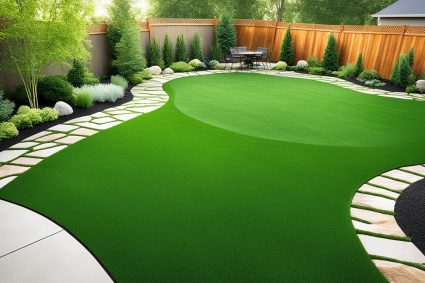
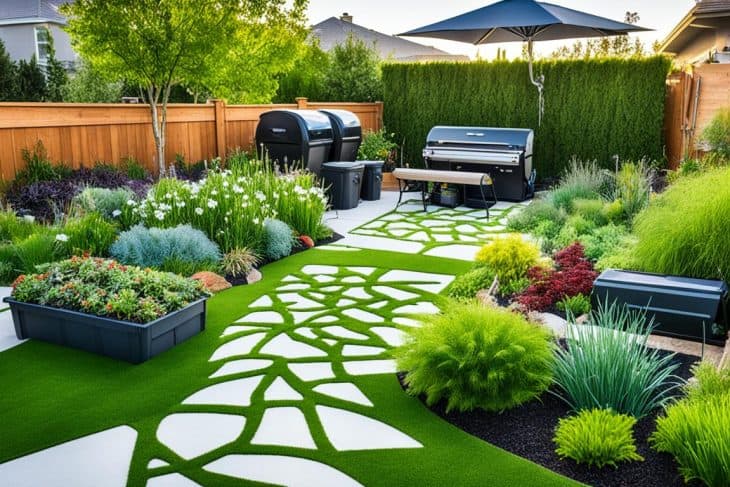
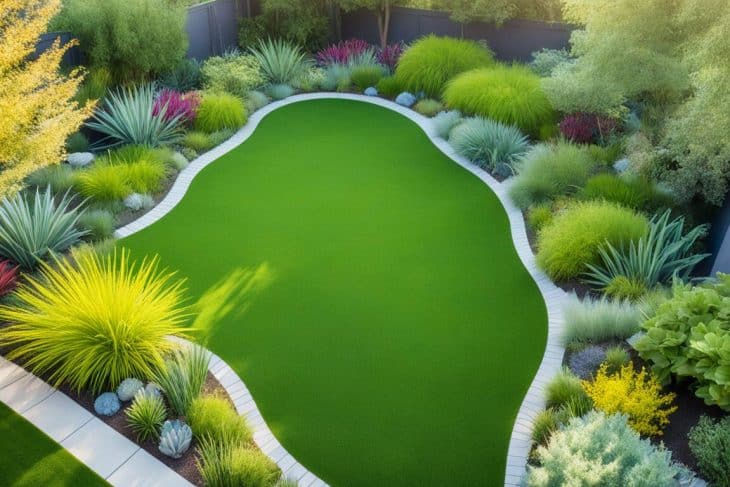
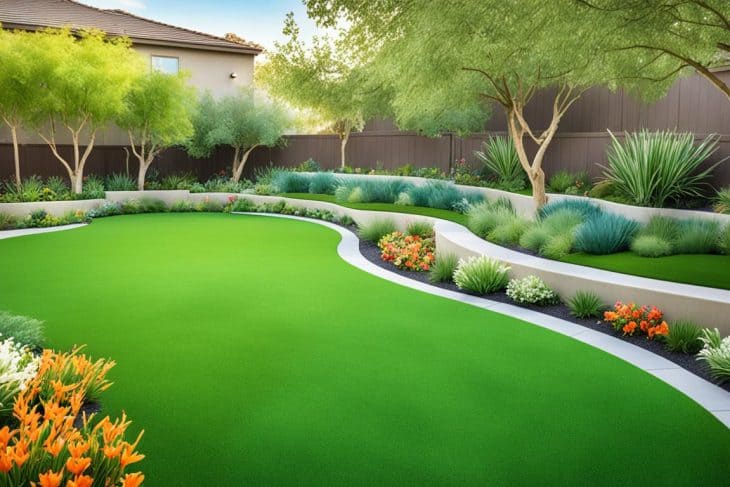
Many people used to think artificial grass looks unreal. But, recent advances in technology have changed this view. Nowadays, artificial turf is made to mirror real grass closely. The latest designs include diverse blade heights and colors. These features make them look just like the real thing. This change shows how innovation is making artificial grass look more natural.
Advances in Technology and Design
Today, eco-friendly materials like soybean oil replace much of the petroleum in Turf Now!® synthetic turf. This shift towards sustainability also makes synthetic lawns look better. The grass now comes in various shades, making it look real. Such high-quality artificial turfs are hard to tell apart from natural grass.
How Modern Turf Mimics Natural Grass
Artificial turf is also very durable, lasting up to 20 years. It doesn’t need water or chemicals to stay green. Choosing it helps save water and avoids harming the environment with lawn care products. I’ve seen how it can make outdoor areas look great with little upkeep. It proves that modern artificial grass can enhance any setting beautifully.