Honestly, if I see one more influencer telling you that a “perfect” evening routine requires a $100 silk eye mask, a Himalayan salt lamp, and forty-five minutes of guided transcendental meditation, I might actually lose it. It’s all so incredibly performative. We’ve been sold this idea that winding down has to be this expensive, choreographed ritual, when in reality, most of us are just trying to stop our brains from racing the second our heads hit the pillow. I spent years chasing that aesthetic perfection, only to realize I was more stressed by the “routine” than I was relaxed by it.
I’m not here to sell you on a lifestyle you can’t afford or a schedule that feels like a second job. Instead, I want to share the unfiltered, messy reality of what actually works for me when I’m exhausted and just want to shut the world out. I’ve stripped away all the fluff to bring you a collection of low-effort, high-impact habits that actually help you reset. No hype, no expensive gadgets—just the practical stuff that helps me reclaim my peace.
Table of Contents
Essential Digital Detox Before Bed for Mental Clarity
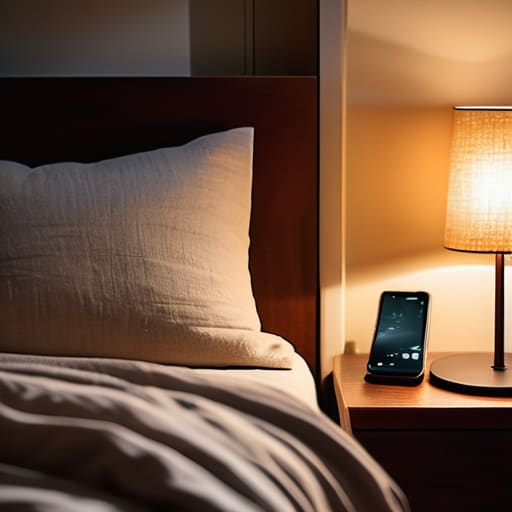
I used to be the person scrolling through endless feeds until my eyes literally burned, thinking I was “relaxing.” In reality, I was just feeding my brain a constant stream of dopamine and blue light that kept me wired. Now, I treat a digital detox before bed as a non-negotiable boundary. About forty-five minutes before I want to be asleep, I put my phone on its charger—ideally across the room—and leave it there. It’s a tough habit to break initially, but removing that constant pull toward notifications is the single best thing I’ve done for my mental headspace.
Instead of that endless scrolling, I’ve shifted toward much more intentional pre-sleep relaxation techniques. This might mean picking up a physical book or even just sitting with a cup of herbal tea in silence. It creates a buffer zone between the chaos of the day and the stillness of the night. By intentionally disconnecting from the digital noise, I’m not just helping my brain wind down; I’m actively improving sleep quality by letting my nervous system finally settle into a state of genuine rest.
Calming Evening Rituals to Quiet the Mind

Once I’ve put my phone in another room, I focus on activities that actually ground me. For me, that usually means leaning into some gentle pre-sleep relaxation techniques like light stretching or even just sitting with a notebook. There’s something about the tactile feeling of pen on paper that helps untangle the mental knots from a long day. It’s not about being “productive” in the traditional sense; it’s about signaling to my brain that the workday is officially over and it’s safe to let go.
I’ve also realized that my physical environment plays a massive role in how quickly I drift off. I’ve started incorporating a few specific nighttime skincare steps into my wind-down, not because I’m chasing a glow, but because the ritual itself feels like a sensory cue. The warmth of the water and the scent of the products act as a buffer between the chaos of the day and the stillness of the night. It’s these small, intentional moments that have become my most effective way of improving sleep quality without feeling like I’m following a rigid, clinical checklist.
Small Tweaks for a Better Night
- Prep your morning the night before so you aren’t scrambling. Laying out clothes or packing a bag takes two minutes but saves so much morning anxiety.
- Watch the caffeine cutoff. I used to drink coffee at 4 PM and wonder why I was staring at the ceiling at midnight; now, I stick to herbal tea after lunch.
- Keep your bedroom cool. There’s a massive difference in how well I sleep when the room is slightly chilly versus when it’s stuffy.
- Stop the “one more episode” trap. It’s so easy to fall into a Netflix hole, but setting a hard cutoff time for screens helps my brain actually realize it’s time to shut down.
- Write down a quick brain dump. If my mind is racing with tomorrow’s to-do list, I scribble it on a notepad just to get it out of my head and onto paper.
The Bottom Line
It’s not about a perfect, rigid schedule; it’s about finding small, repeatable habits that actually signal to your brain that the day is done.
Prioritize your mental space by putting the phone away early—the scrolling can wait, but your sleep quality can’t.
Start small. You don’t need a ten-step ritual to see a difference; even five minutes of quiet can shift your entire mood for the next morning.
The Real Purpose of Winding Down
“An evening routine isn’t about checking off more tasks; it’s about finally giving yourself permission to stop performing and just exist.”
Writer
Finding Your Own Rhythm

At the end of the day, building a solid evening routine isn’t about checking off a dozen different chores or following a strict, rigid schedule that feels like more work. It’s really about the small, intentional shifts—like finally putting the phone away an hour before sleep or finding a quiet way to decompress that actually feels good. Whether you’re leaning into a digital detox to clear your head or using a few minutes of stillness to quiet the mental noise, the goal is to create a bridge between the chaos of your day and the rest you actually deserve. It’s about protecting your peace so you don’t just drift into sleep, but actually arrive there ready to recharge.
Don’t feel like you have to overhaul your entire life by tomorrow night. If you try to implement every single habit at once, you’ll probably burn out by Wednesday. Instead, just pick one thing—maybe it’s just five minutes of reading or a slightly earlier lights-out time—and see how it shifts your energy. You deserve to wake up feeling like a person, not a zombie. Be patient with yourself as you figure out what works, because the best routine is the one you actually stick to. Sleep well, and I’ll see you in the morning.
Frequently Asked Questions
How do I stick to a routine when I'm feeling too exhausted to even start?
Honestly, on those nights when my brain is fried, I stop trying to do the “full” routine. If I try to force a 45-minute wind-down, I’ll just end up scrolling on my phone out of spite. Instead, I pivot to a “micro-routine.” I pick just one tiny thing—like washing my face or dimming the lights—and call it a win. Lowering the bar makes it much easier to actually show up.
Can I still have a productive evening routine if I work late shifts or irregular hours?
Absolutely. In fact, if your schedule is a mess, a routine becomes even more vital—it’s your anchor. The trick is to stop thinking about “time” and start thinking about “sequences.” Instead of saying “I do this at 9 PM,” think “I do this as soon as I walk through the door.” Whether it’s 2 AM or 10 AM, creating that same predictable flow of events tells your brain it’s finally time to switch gears.
How long does it actually take before I start noticing a real difference in my sleep quality?
Honestly, it’s not an overnight transformation. Most people tell me they feel a slight shift in their energy within the first week, but the real “magic” usually happens around the three-week mark. That’s when your body actually starts to recognize the patterns and your circadian rhythm settles in. Don’t get discouraged if you don’t feel like a superhero by Tuesday; consistency is what actually moves the needle here.
