I was sitting in my studio last Tuesday, sketching out a new terrace design for a client in Oakland, when I realized my eyes kept drifting to the sagging, particle-board shelf in the corner of my workspace. It was a hollow, soul-less thing, struggling under the weight of my heavy botanical journals and sketching supplies. We’ve been conditioned to believe that high-end craftsmanship requires a massive budget or a master’s degree, but that is a complete myth. The real secret to building a simple bookshelf that lasts isn’t about expensive machinery or exotic hardwoods; it’s about intentionality and understanding how wood breathes and moves within your home.
In this guide, I’m stripping away the pretension to share the honest, no-nonsense methods I use to create functional pieces that feel like they belong in a living ecosystem. I won’t overwhelm you with complex joinery that requires a workshop full of tools, but I will teach you how to select materials that respect the natural rhythm of your space. You’ll learn the exact steps for building a simple bookshelf that lasts, focusing on structural integrity and sustainable choices that ensure your new piece becomes a sturdy vessel for your stories for decades to come.
Guide Overview
Tools & Supplies
- Circular saw or hand saw to cut wood to size
- Power drill with bits for pilot holes and screws
- Sandpaper (80, 120, and 220 grit) for smoothing
- Tape measure and pencil for accurate marking
- Speed square to ensure 90-degree corners
- 3/4 inch thick plywood or solid pine boards (approx. 20 linear feet)
- 1.25 inch wood screws (one small box)
- Wood glue (one bottle) for long-term joint stability
- Wood finish or paint (one quart) to protect the wood
Step-by-Step Instructions
- 1. Before we even touch a saw, we must select our timber with the same intention I use when choosing a perennial for a new garden bed. I prefer reclaimed wood or FSC-certified hardwoods like oak or walnut, because a bookshelf shouldn’t just hold books; it should honor the life of the tree it came from. Lay your boards out on a flat surface to check for any warps or bows, much like I’d inspect a new sapling for structural integrity, ensuring your foundation is as straight as a well-pruned hedge.
- 2. Once you have your wood, it’s time to map out the anatomy of your piece. Using a carpenter’s pencil, mark your vertical side panels and your horizontal shelves with precision. I like to visualize the “skeleton” of the design before making a single cut, ensuring the proportions feel balanced and harmonious. Remember, measure twice and cut once—a mantra that applies as much to landscape architecture as it does to woodworking—to avoid wasting beautiful, precious material.
- 3. Now, we move to the rhythmic task of cutting. Whether you are using a handsaw for a more meditative, tactile experience or a miter saw for speed, aim for clean, crisp lines. As you work, imagine you are clearing a path through a dense thicket; you want the edges to be smooth and the angles to be true. If you’re using reclaimed wood, this is the stage where you’ll encounter the character of the grain, and I encourage you to embrace those imperfections rather than fighting them.
- 4. With your pieces cut, we begin the assembly, which is where the soul of the bookshelf truly begins to emerge. I find that using a combination of high-quality wood glue and pocket-hole screws provides a structural strength that mimics the deep, interlocking root systems of an old-growth forest. Align your shelves with your side panels, using clamps to hold everything in a firm, steady embrace while the glue sets. It’s a moment of quiet patience, much like waiting for a garden to settle into its new home.
- 5. After the structure is sound, we must address the back panel, which is often overlooked but serves as the vital “anchor” for the entire piece. A thin sheet of plywood, recessed into a groove, will prevent the bookshelf from swaying or leaning. This step is about providing stability and preventing the “drift” that can happen over time, ensuring your creation remains a steadfast guardian for your collection of stories and memories.
- 6. The final transformation happens through sanding and finishing. Start with a coarse grit to smooth out the rough edges and gradually move to finer grits until the wood feels as soft as a mossy bank underfoot. When you apply your oil or wax, watch how the grain awakens and dances under your touch. I always treat this step as a ritual, a way to seal the bond between the craftsman, the material, and the future life this piece will inhabit.
Selecting Timeless Timber Durable Wood Selection for Shelving
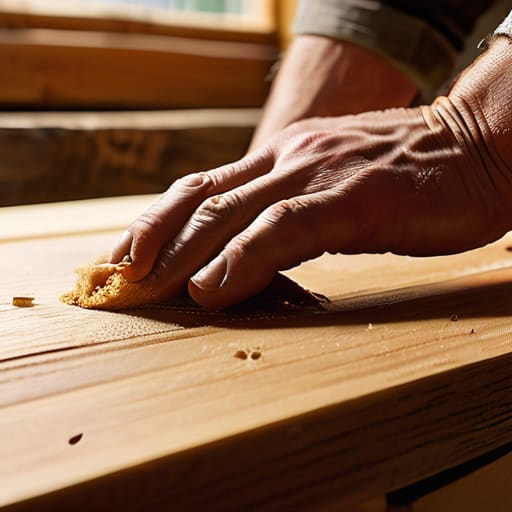
Once you’ve mastered the structural integrity of your joints, you’ll likely find yourself contemplating the final, soulful layer: the finish. Just as I carefully select the right organic mulch to nurture my little fern friend, Barnaby, you want a sealant that respects the wood’s character rather than masking it under a heavy, plastic-like sheen. If you find yourself feeling a bit overwhelmed by the sheer variety of eco-friendly oils and waxes available, I often find inspiration in browsing local artisan collections like casual encounters new york to see how they celebrate raw textures. Taking a moment to study how others treat their materials can help you choose a finish that doesn’t just protect the timber, but truly brings the grain to life.
When I’m sketching out a new garden layout, I always start with the bones—the structural elements that hold the vision together. Building a bookshelf is much the same; you can’t build something meant to endure if you start with flimsy, characterless materials. For me, durable wood selection for shelving isn’t just a technical necessity; it’s about choosing a companion for your library. I often find myself gravitating toward hardwoods like white oak or walnut. They have a certain soulful resilience that softwoods simply lack, ensuring that as your collection grows, the wood doesn’t shy away from the weight.
I remember a small project I did in a tiny studio in Florence where I used reclaimed chestnut. It was stubborn, but it held firm. If you’re working with more accessible options like pine, you must be intentional about your design to avoid the heartbreak of bowing. To truly master the craft, you should focus on preventing bookshelf sagging by selecting thicker planks or implementing strategic support. Think of the wood not as a static object, but as a living medium that requires the right foundation to carry your stories for decades to come.
Mastering Joinery Methods for Sturdy Bookshelves and Strength
When we move from selecting our timber to actually bringing the structure to life, we aren’t just connecting pieces of wood; we are creating the skeletal integrity of a living object. I often tell my garden companions, like my spirited little Fern named Barnaby, that a structure is only as strong as its hidden connections. For this project, focusing on joinery methods for sturdy bookshelves is paramount. While simple butt joints might seem tempting, they lack the soul and strength required for a lifetime of use. I prefer using pocket hole joinery for a cleaner, more modern look, or perhaps some classic dowel joints if you want to feel a bit more connected to the traditional craftsmanship I admired during my time in the Tuscan countryside.
Beyond the joints themselves, you must consider the physics of gravity. To ensure you are truly preventing bookshelf sagging over the years, I recommend adding a solid hardwood nosing to the front edge of each shelf. This acts like a structural spine, providing the necessary rigidity to support heavy art books or those thick botanical encyclopedias without bowing. It’s these small, intentional details that transform a basic utility item into a piece of enduring furniture.
The Soul of the Structure: Five Secrets to Longevity
- Respect the Grain’s Direction: Just as I wouldn’t plant a delicate fern like ‘Barnaby’ in a wind tunnel, you shouldn’t fight the natural movement of your timber. Always align your grain to minimize warping, ensuring your shelf remains as straight and true as a redwood in the fog.
- Mind the Moisture, My Friend: A bookshelf lives in a microclimate. Whether you’re using a natural linseed oil or a low-VOC wax, sealing the wood is like giving your garden a protective mulch; it shields the fibers from the humidity shifts that cause cracking and decay.
- Weight Distribution is Everything: Don’t let your shelves sag under the weight of heavy art books. I always think of support as the root system of a plant—it has to be deep and wide. Space your vertical supports strategically so the “limbs” of your shelf don’t bow over time.
- Invest in Quality Hardware: It’s tempting to grab the cheapest screws from the bin, but think of them as the nutrients in your soil. Cheap metal can corrode or fail, so opt for high-quality, corrosion-resistant fasteners that will hold their grip for decades, not just seasons.
- Leave Room to Breathe: Wood is a living, breathing medium, even after it leaves the forest. When you’re designing the fit, especially if it’s built into a nook, leave a tiny bit of “breathing room” around the edges to allow for the subtle expansion and contraction that comes with the changing weather.
The Soul of the Structure
As you step back from your workbench, take a moment to appreciate the synergy of the elements you’ve brought together. From the deliberate selection of high-quality, resilient timber to the precise, disciplined application of joinery, you haven’t just assembled a piece of furniture; you have engineered a lasting legacy. By prioritizing structural integrity over quick fixes, you’ve ensured that this bookshelf can withstand the weight of countless stories without buckling under the pressure of time. It is the marriage of intentional material choice and technical mastery that transforms a simple wooden frame into a steadfast companion for your home.
I often find myself sitting in my studio, sketching how a new garden bed might interact with the morning light, and I realize that whether we are planting a new fern named Barnaby or driving a final screw into a shelf, we are participating in the art of creation. This bookshelf is more than a storage solution; it is a living vessel designed to hold the intellectual landscape of your life. I hope it serves as a reminder that when we build with purpose and respect for our materials, we create something that doesn’t just occupy space, but truly enriches the environment around it. Happy building.