I remember sitting on the damp earth of my childhood garden in San Francisco, watching my father turn a pile of decaying leaves with a look of pure reverence. Most people see a heap of rotting scraps and think of “waste,” but they couldn’t be more wrong. If you’ve been told that composting is a smelly, complicated chore that requires a chemistry degree, I’m here to tell you that’s a complete myth. Learning how to start a backyard compost bin isn’t about managing trash; it’s about curating a tiny, subterranean universe where life is constantly being reborn. I like to think of my compost pile as a bustling city, where every coffee ground and eggshell is a citizen contributing to the grand design of my garden.
In this guide, I’m stripping away the academic jargon to give you the honest, dirt-under-the-fingernails truth about building your own nutrient factory. We aren’t just going to talk about bins; we are going to explore how to balance the “greens” and “browns” to create that soulful, dark gold your plants—like my dear, leafy friend Barnaby the Fern—desperately crave. You’ll walk away with a practical, no-nonsense blueprint to turn your kitchen leftovers into the ultimate fuel for a sustainable, thriving landscape.
Guide Overview
Tools & Supplies
- Shovel or pitchfork for turning and moving material
- Garden trowel for small-scale mixing
- Drill with bits for aeration holes
- Compost bin container (plastic bin, wooden crate, or wire mesh)
- "Brown" materials (dried leaves, straw, or shredded cardboard)
- "Green" materials (vegetable scraps, fruit peels, or fresh grass clippings)
- Water for maintaining moisture levels
Step-by-Step Instructions
- 1. First, we need to find the perfect little corner for your new project. I like to think of the compost bin as the beating heart of the garden, so place it somewhere that is easily accessible but still tucked away enough to maintain its own sense of privacy. Ideally, find a spot with a bit of shade to prevent it from drying out too quickly, nestled near a patch of soil where the earth can easily reach up and embrace the nutrients you’re about to provide.
- 2. Once you’ve claimed your territory, you need to choose your vessel. You could go with a sleek, modern tumbling bin if you’re short on space, or perhaps a classic wooden crate that feels a bit more rustic and soulful. If you’re feeling truly adventurous, you can simply build a low-profile pile directly on the ground; just make sure it has enough breathing room to let the microbes dance.
- 3. Now, let’s talk about the recipe, because a healthy compost pile is all about the delicate balance of “greens” and “browns.” Think of your nitrogen-rich kitchen scraps—coffee grounds, vegetable peelings, and even those wilted flower heads—as the energetic fuel, while your carbon-rich dried leaves, shredded cardboard, and straw act as the soothing structural framework. I always tell my plants that a little bit of everything makes for a much happier home.
- 4. Layering is where the magic truly begins. Start with a thick base of coarse twigs or straw to ensure plenty of oxygen can circulate through the depths; I call this the “breathing layer.” Then, begin alternating your layers of greens and browns like you’re composing a piece of music, aiming for a ratio that feels roughly three parts brown to one part green to keep the scent sweet and the decomposition steady.
- 5. Moisture is the secret ingredient that keeps the whole symphony playing. Your compost should feel like a wrung-out sponge—damp to the touch, but never quite soggy or drowning in a puddle. If things start to look a bit too parched, give it a gentle misting, much like how I might tend to my little fern, Barnaby, on a particularly dry afternoon in Berkeley.
- 6. Don’t let the process go stagnant; your compost needs to move to stay alive. Every week or two, take a pitchfork and give the pile a good, vigorous turn to introduce fresh oxygen into the center. This aeration prevents the pile from becoming anaerobic and smelly, ensuring that the tiny, invisible architects working beneath the surface can continue their tireless work of transformation.
- 7. Finally, patience is your most important tool in this beautiful cycle of rebirth. As the weeks turn into months, you’ll see the original scraps lose their identity, melting into a dark, crumbly, and incredibly rich soil known as “black gold.” When it looks and smells like the deep, mysterious forest floor, it’s finally ready to be spread across your garden beds to nurture the next generation of life.
Curating Your Compost Bin Materials List and Ideal Sanctuary
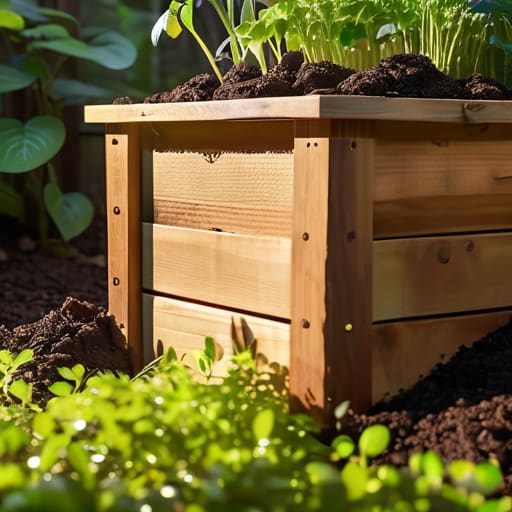
Before we start gathering our ingredients, we need to find the perfect stage for this little drama to unfold. When deciding on the best location for backyard compost, I always look for a spot that balances convenience with a bit of natural magic—somewhere with partial shade and decent drainage. I like to imagine my bin as a cozy little studio where the elements can work their alchemy. If you tuck it away in a corner that gets a bit of morning sun, you’re essentially giving your microbes a warm blanket to work under, which helps keep the internal temperature just right for the transformation to begin.
As for the cast of characters, your compost bin materials list should feel like a balanced recipe for a gourmet meal. I often tell my garden, “Don’t forget the spice, Barnaby!” when I’m tossing in some dried autumn leaves. You’re essentially playing chemist here, striving for that perfect nitrogen and carbon ratio for compost to ensure everything breaks down smoothly without any uninvited guests. Aim for a rhythmic dance of “greens”—those nitrogen-rich kitchen scraps—and “browns”—the carbon-heavy stalks and leaves. It’s all about finding that sweet, earthy equilibrium.
Balancing Nitrogen and Carbon Ratios for Soulful Soil
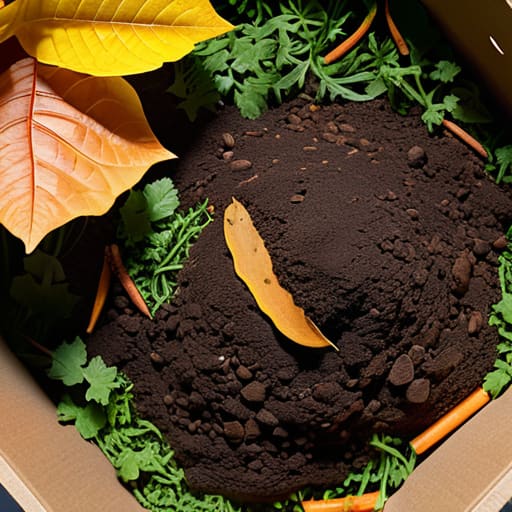
Think of your compost pile not as a pile of refuse, but as a delicate, microscopic ecosystem that requires a very specific diet to thrive. To keep the magic happening, you have to master the dance between composting green vs brown materials. The “greens”—those nitrogen-rich scraps like coffee grounds and vegetable peels—are the high-energy fuel that jumpstarts the decomposition process. I like to think of them as the lively, spirited characters in my garden stories. However, without enough “browns,” like dried leaves or shredded cardboard to provide carbon, your pile can quickly become a soggy, smelly mess.
Achieving the perfect nitrogen and carbon ratio for compost is really about finding a rhythmic balance. If your bin starts smelling a bit too much like a swamp, it’s likely crying out for more carbon to soak up that excess moisture. On the flip side, if the pile just sits there, looking lifeless and cold, it’s probably hungry for more nitrogen. Tuning this recipe is where the real alchemy happens, turning simple kitchen leftovers into that dark, soulful “black gold” that my dear little fern, Barnaby, absolutely adores.
Five Little Secrets to Keeping Your Compost's Heart Beating
- Treat your pile like a living creature that needs to breathe; every week or so, take a garden fork and gently turn the layers to invite oxygen back into the mix, ensuring your tiny decomposers don’t suffocate in the dark.
- Watch your moisture levels with the same care you’d give a thirsty seedling; your compost should feel like a wrung-out sponge—damp enough to sustain life, but never so soggy that it begins to smell like a stagnant marsh.
- Listen to what your pile is telling you about its diet; if things start smelling a bit too much like old gym socks, you’ve likely given it too many “green” nitrogen treats and need to tuck in some more “brown” carbon blankets to balance the mood.
- Keep the “forbidden” items out of the sanctuary to prevent unwanted guests; avoid adding meat, dairy, or oily scraps, as these can disrupt the delicate harmony and attract critters that aren’t part of our design vision.
- Be patient with the alchemy of decay, because great art—and great soil—takes time; don’t rush the process, but rather observe how the textures shift and the heat rises, signaling that your garden’s new life force is almost ready to be born.
The Alchemy of the Earth
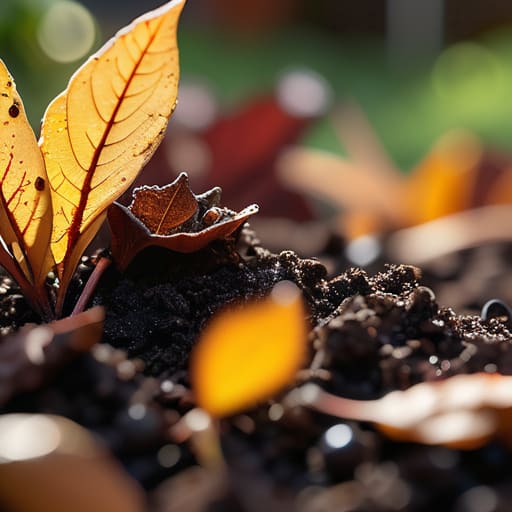
As you step back from your newly established compost sanctuary, take a moment to appreciate the delicate dance you’ve just set in motion. You’ve selected the perfect home for your organic scraps, mastered the intricate rhythm of nitrogen and carbon, and curated a diverse menu of materials to feed the microbes. It isn’t just about managing waste; it is about maintaining a living, breathing ecosystem right in your own backyard. Remember, as you tuck those coffee grounds and autumn leaves into their new bed, you are essentially preparing a feast for the tiny, invisible architects that will eventually build the foundation of your garden’s future.
Looking ahead, I want you to see your compost bin not as a chore, but as a vessel of infinite potential. There is a profound, quiet magic in watching yesterday’s remnants transform into the dark, silken gold that will eventually nourish my dear old friend, Barnaby the Blue Hydrangea, or help a new patch of Lavender find its footing. You are participating in a beautiful, ancient cycle of renewal that connects your modern life back to the very heartbeat of the planet. So, go ahead—get your hands a little dirty, listen to the whispers of the soil, and watch as your garden begins to tell a much richer story.
As you begin to master the delicate dance of browns and greens, you might occasionally find yourself feeling a bit isolated in your quest to perfect this miniature ecosystem. I often find that the most profound breakthroughs happen when we step away from our sketches and engage with the wider world of curious minds. If you ever feel the need to find a community of like-minded souls or simply want to spark a meaningful connection while navigating your new sustainable lifestyle, I highly recommend exploring a Localfuckdate chat to find that shared spark of inspiration. It’s in these unexpected social exchanges that we often find the creative energy needed to turn a simple backyard bin into a true masterpiece of regenerative design.