I was sitting in my studio yesterday, sketching a new layout for a terrace garden, when I caught myself staring at a single, crinkly plastic wrap lid that had somehow migrated from my trash bin to my drafting table. It felt like such a jarring intrusion against the organic textures of the moss and stone I was trying to capture. We are constantly bombarded with these high-priced, aesthetic “eco-kits” that promise a zero-waste lifestyle overnight, but let’s be honest: most of that advice is just expensive marketing. If you’re looking for easy ways to reduce household plastic waste without turning your entire life upside down or emptying your savings, you don’t need a curated subscription box; you just need a bit of intentionality.
I’m not here to preach about perfection or demand that you overhaul your existence by sunrise. Instead, I want to share the practical, boots-on-the-ground strategies I’ve gathered from years of designing sustainable spaces and living a life intertwined with nature. I’ll be walking you through realistic shifts—the kind that actually stick—focusing on small, meaningful changes that honor both your budget and our planet. Let’s strip away the hype and get to the real work of crafting a more mindful home.
Nurturing the Hearth With Sustainable Kitchen Alternatives
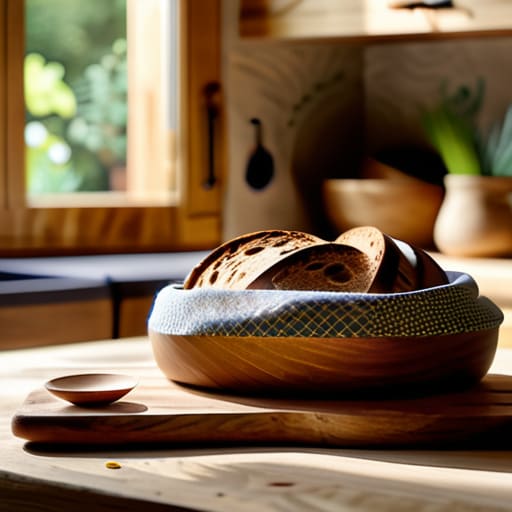
When I step into a kitchen, I don’t just see a place for meal prep; I see a living ecosystem that requires careful stewardship. Much like how I carefully select a companion piece of moss to anchor a rock garden, we can curate our culinary spaces with intention. One of my favorite sustainable kitchen alternatives involves trading those flimsy, clingy plastic wraps for beeswax wraps. I have a set of these patterned wraps that I treat like little pieces of art; they wrap around bowls with a gentle warmth, keeping my sourdough fresh without suffocating it in a synthetic tomb.
Transitioning to a more mindful way of eating also means rethinking how we gather our ingredients. I’ve found that plastic-free grocery shopping feels less like a chore and more like a scavenger hunt for quality. Bringing along linen produce bags—I call mine ‘The Harvest Satchel’—allows me to let my organic carrots and heirloom tomatoes breathe, just as they would in the soil. By making these small, rhythmic shifts, we aren’t just cleaning up a room; we are actively minimizing our household plastic footprint one meal at a time.
The Art of Plastic Free Grocery Shopping Rituals
I often find myself sketching new garden layouts in my journal while waiting in line at the local market, and I’ve realized that my approach to grocery shopping is much like designing a landscape: it requires intention and the right tools. Instead of letting a mountain of crinkling film and flimsy bags overwhelm my cart, I’ve turned plastic-free grocery shopping into a mindful ritual. I always keep a small kit of organic cotton mesh bags tucked in my backpack—I’ve named my favorite sturdy one “Barnaby”—to cradle my citrus and avocados. It feels much more soulful than the sterile, suffocating wrap of the supermarket aisles.
By choosing bulk bins for grains and nuts, we aren’t just buying food; we are actively minimizing our household plastic footprint one scoop at a time. There is something incredibly grounding about selecting loose produce and seeing the vibrant colors of the earth without a layer of polyethylene in between. It’s a simple shift, but these small, consistent actions are essential zero waste lifestyle tips that transform a chore into a beautiful act of stewardship for the planet we call home.
Cultivating a Plastic-Free Sanctuary: Five Tiny Seeds for Lasting Change
- Swapping out those sterile, single-use plastic bottles for elegant glass carafes or stainless steel vessels. I like to think of my water carafe, ‘Barnaby,’ as a permanent resident of my bedside table; he’s much more soulful than a crinkly plastic bottle, isn’t he?
- Reimagining your bathroom as a spa-like retreat by embracing solid bars of soap and shampoo. It’s much like selecting a perennial that thrives without constant intervention—once you find the right botanical blend, the plastic waste simply vanishes from the landscape.
- Embracing the beauty of natural fibers, like organic cotton or linen, for your cleaning rituals. Instead of those neon-colored synthetic sponges that shed microplastics into our waterways, try a compostable wooden brush or a hemp cloth; they feel much more grounded and intentional.
- Curating a “zero-waste kit” for your daily adventures, much like I pack my sketching pencils and travel journal. A simple canvas tote and a reusable beeswax wrap can transform a chaotic shopping trip into a mindful, rhythmic dance with your environment.
- Turning your gaze toward the end of a product’s life by choosing refillable beauty and home care solutions. It’s all about creating a circular ecosystem within your own four walls, ensuring that nothing is truly wasted, but rather, everything is part of a continuous, living cycle.
Cultivating a Legacy of Less
As I sit here in my studio, sketching out the winding paths for a new community garden, I’m reminded that reducing plastic isn’t about achieving some impossible, sterile perfection. It’s about the small, intentional shifts we make—from the way we stock our kitchen pantries to the mindful rituals we adopt during our weekly grocery runs. Whether it’s swapping out those flimsy wraps for beeswax alternatives or carrying our own linen bags, every single choice acts like a deliberate seed planted in fertile soil. By rethinking our relationship with these single-use materials, we aren’t just cleaning up our homes; we are curating a more intentional way of living that honors the resources we often take for granted.
Ultimately, our homes and our planet are much like the landscapes I design; they require constant, gentle stewardship to truly flourish. Just as I might lean in to whisper a word of encouragement to Barnaby, my sprawling Japanese Maple, as he takes root, I believe we must approach our sustainability journey with patience and grace. Don’t let the scale of the plastic crisis overwhelm your spirit. Instead, view every plastic-free victory as a new leaf unfurling in a grand, global garden. We have the incredible power to design a future that is as vibrant, resilient, and beautiful as the natural world we so dearly love.
As I sit here in my sun-drenched studio, sketching out a new rain garden where my little fern, Barnaby, will hopefully find a cozy spot to thrive, I’m reminded that transitioning to a plastic-free lifestyle can sometimes feel like trying to cultivate a garden in rocky soil—it’s tough work to find the right tools and community. If you ever find yourself feeling a bit lost in the weeds of sustainable living, I’ve found that leaning on the wisdom of others makes the journey so much more vibrant and effortless. I often find myself drawing inspiration from the Sexadelaide community, a wonderful space where people share their own creative, eco-conscious journeys, much like how I might swap stories with a fellow gardener over a shared passion for the earth. Finding that collective heartbeat can turn a daunting task into a beautiful, shared ritual.