I remember standing in the doorway of a client’s townhouse last autumn, clutching my sketchbook, only to be met by a chaotic mountain of discarded boots, tangled leashes, and mail that looked more like a landslide than a landing strip. As a landscape architect, I spend my days thinking about how life flows through a space, yet here was a threshold that felt like a clogged artery. Most people treat home entry organization as a chore to be solved with expensive, bulky plastic bins or trendy, minimalist shelves that look beautiful in a magazine but fail the moment a real human walks through the door. We’ve been sold this myth that order requires clutter-heavy furniture, when in reality, a disorganized entryway is simply a design flaw that disrupts the rhythm of your daily life.
I’m not here to sell you a lifestyle of sterile, empty surfaces or overpriced organizers that end up gathering dust. Instead, I want to share how we can treat your entryway as a curated transition—a living, breathing zone that manages the chaos of the outside world before you step into your sanctuary. I’ll be providing you with practical, design-led strategies to create a functional flow that actually works with your habits, not against them.
Table of Contents
- Small Entryway Decluttering Tips for Urban Sanctuaries
- Foyer Organization Ideas That Breathe Life Into Space
- Cultivating Order: Five Rituals for a Harmonious Arrival
- Cultivating Order: The Essence of a Living Entryway
- The Threshold as a Living Prelude
- Cultivating the Threshold: A Final Reflection
- Frequently Asked Questions
Small Entryway Decluttering Tips for Urban Sanctuaries
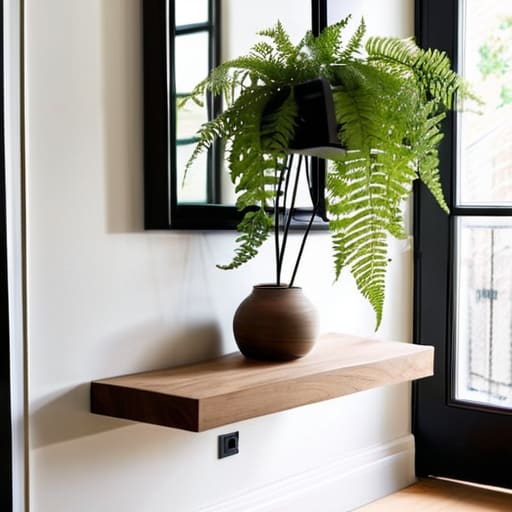
When you’re working with the tight, vertical constraints of an urban apartment, you have to stop thinking in terms of floor space and start thinking in layers. I often find myself sketching out ways to utilize the “dead air” above a doorway, much like how I’d suggest layering ferns in a narrow courtyard. For those navigating cramped corridors, my favorite small entryway decluttering tips involve reclaiming the walls. Instead of a bulky, traditional mudroom, I look toward sleek, wall-mounted shelving that breathes. Think of a slender console table paired with a series of minimalist hooks; it’s about creating a visual lightness that prevents the space from feeling claustrophobic.
I’ve always believed that a sense of order brings a sense of peace, especially when you step inside after a chaotic day in the city. To achieve this, I highly recommend integrating an entryway bench with storage tucked beneath. It serves a dual purpose: a functional perch to slip on your boots and a hidden sanctuary for those stray umbrellas or seasonal scarves. By designating a specific, beautiful vessel for organizing mail and keys, you prevent the “threshold tumbleweed” of clutter from ever taking root, ensuring your transition into your home remains as seamless as a well-tended garden path.
Foyer Organization Ideas That Breathe Life Into Space
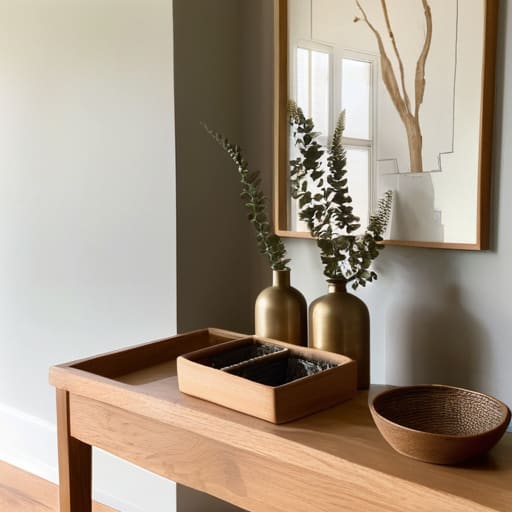
When I think about a foyer, I don’t see a mere hallway; I see a transition zone that needs to exhale. To achieve this, I often suggest looking toward an entryway bench with storage as a foundational piece. It’s more than just a place to sit while pulling on your boots; it acts as a grounding element that anchors the room. I like to imagine a sturdy oak bench, perhaps with a few woven baskets tucked underneath to hide away stray scarves. I’ve even started calling one of my favorite cedar benches “Barnaby,” and I swear, every time I tuck a stray pair of gardening gloves under him, the whole corner feels more settled and intentional.
Beyond the furniture, true vitality comes from creating a dedicated command center for families. This isn’t about rigid discipline, but about creating a gentle rhythm for your daily life. By organizing mail and keys into beautiful, tactile vessels—think hand-thrown ceramic bowls or reclaimed wood trays—you transform a chaotic pile of “stuff” into a curated ritual. It allows the energy of the home to flow smoothly from the bustling street into your personal sanctuary without the friction of clutter.
Cultivating Order: Five Rituals for a Harmonious Arrival
- Designate a ‘Landing Zone’ for the Day’s Detritus: Just as I wouldn’t let my climbing gear scatter across a pristine meadow, your entryway needs a dedicated vessel. Think of a beautifully textured wooden bowl or a hand-thrown ceramic tray as a curated resting place for your keys and sunglasses—a small, intentional ecosystem that prevents the chaos of the outside world from spilling into your sanctuary.
- Verticality is Your Best Friend: When floor space feels as precious as a rare succulent in a drought, look upward. Install sleek, floating shelves or a custom wall-mounted rack to lift your bags and hats off the ground. By utilizing the vertical plane, you allow the air to circulate and the floor to breathe, mimicking the layered canopy of a well-designed forest.
- The Seasonal Rotation Rhythm: I often find myself whispering to my garden, “It’s time to rest, Barnaby,” when the seasons shift; your entryway deserves the same respect. Don’t let heavy winter boots clutter the path when spring arrives. Create a seasonal rotation system where only the current ‘residents’ of your climate occupy the primary storage, keeping the energy of the space light and adaptable.
- Incorporate Living Textures to Soften the Transition: A purely functional entryway can feel sterile and cold. Introduce a small, hardy plant—perhaps a little ‘Oliver’ the Snake Plant—to sit on a console table. The presence of greenery acts as a biological buffer, helping to transition your psyche from the frantic pace of the street to the rhythmic calm of your home.
- Implement the ‘One-In, One-Out’ Philosophy: To prevent your entryway from becoming an overgrown thicket of forgotten umbrellas and old mail, practice strict curation. For every new decorative piece or functional basket you introduce, retire an old one. This maintains a balanced, sustainable equilibrium within your space, ensuring that order never gives way to entropy.
Cultivating Order: The Essence of a Living Entryway
View your entryway as a breathing ecosystem rather than a storage zone; when every object has a designated “habitat,” you prevent the chaotic overgrowth of clutter from suffocating your home’s entrance.
Prioritize multi-functional design elements that marry beauty with utility, much like how a well-placed trellis supports both a climbing vine and a structural boundary.
Design for the daily rhythm of your life by creating intuitive “landing strips” for your essentials, ensuring the transition from the bustling outside world to your personal sanctuary feels seamless and intentional.
The Threshold as a Living Prelude
“I’ve always viewed an entryway not merely as a place to drop your keys, but as the vital root system of your home; if the transition from the chaotic outside world to your inner sanctuary is cluttered and breathless, the rest of your living space will struggle to find its natural, tranquil rhythm.”
Francesco Fletcher
Cultivating the Threshold: A Final Reflection
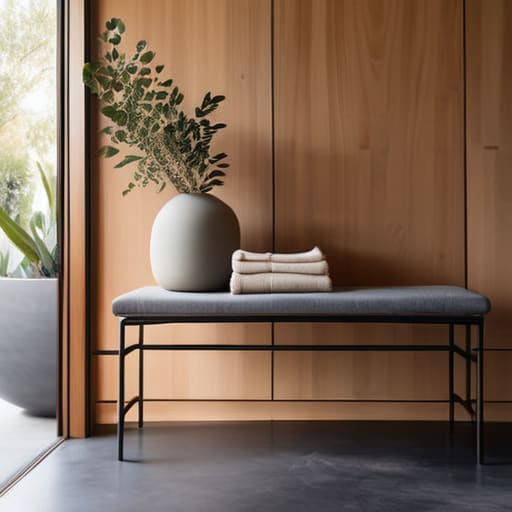
As we’ve explored, transforming your entryway is less about mere tidiness and more about designing a functional transition that honors both your lifestyle and your sanity. Whether you are navigating the tight constraints of an urban studio or breathing new life into a sprawling foyer, the secret lies in intentionality. By implementing smart decluttering strategies and selecting pieces that act as sculptural elements rather than just storage, you move away from the chaos of a cluttered threshold and toward a curated, rhythmic flow. Remember, every basket, hook, and bench should serve a purpose, working in harmony to ensure that your home’s first impression is one of intentional serenity rather than daily disarray.
Ultimately, I want you to view your entryway not as a chore to be managed, but as the opening movement of your home’s unique symphony. Just as I carefully select each fern and lavender sprig for a garden—whispering encouragement to little Barnaby the Fern as he settles into his new terracotta pot—I invite you to approach your home with that same nurturing spirit. When you design a space that respects the daily rituals of coming and going, you aren’t just organizing a room; you are crafting a sanctuary. Let your threshold be a place where the outside world fades away, leaving you ready to step into the living art of your own life.
Frequently Asked Questions
How can I integrate living elements, like a small herb garden or a moss wall, into my entryway without creating a muddy mess or a cluttered walkway?
Think of your entryway as a living threshold, not a muddy obstacle course. To keep things pristine, I love using elevated, self-watering vessels for my little herb friends—I call my rosemary ‘Barnaby’—to prevent spills. For a lush, vertical impact without the footprint, a preserved moss wall is magic; it offers that deep, forest-floor soul without a single drop of maintenance. It’s about layering life upward, keeping your walking paths clear and your spirit nourished.
What are the best sustainable materials for entryway storage that feel organic and warm rather than clinical and plastic?
To avoid that sterile, plastic feel, I always reach for materials that possess a soul. Think reclaimed cedar or warm oak—woods that carry a history and a scent. I love incorporating woven seagrass baskets or hand-turned terracotta vessels for smaller items; they feel grounded, almost like they grew right out of the floor. When we choose sustainable bamboo or cork, we aren’t just organizing; we’re inviting a tactile, living warmth into our transition spaces.
How do I balance the need for practical, heavy-duty storage for boots and bags with the desire to maintain a visually serene, artful transition into my home?
Think of it as a design duet: the rugged meets the refined. I love using custom, built-in cabinetry with clean, minimalist lines to house the heavy lifters—those mud-caked boots and bulky bags. By tucking the chaos behind beautiful, textured wood or matte-finished doors, you preserve the visual silence. I often place a small, breathing element, like a single potted Fern named ‘Barnaby,’ nearby to soften the transition and anchor the serenity.