I was sketching a new terrace design in my journal last Tuesday, surrounded by the scent of damp earth and rosemary, when I realized how much our modern food culture mirrors our broken urban landscapes: it’s often cluttered, overpriced, and utterly disconnected from the soil. There is this pervasive, exhausting myth that healthy eating on a budget requires you to shop at high-end organic boutiques or spend your entire paycheck on “superfood” powders that are mostly marketing fluff. Honestly, it makes my blood boil. We’ve been sold this idea that wellness is a luxury item, when in reality, true nourishment should be as accessible and unpretentious as a well-tended wildflower meadow.
I’m not here to give you a list of expensive lifestyle hacks or aesthetic pantry trends that look good on camera but leave your bank account empty. Instead, I want to share the practical, soul-nourishing strategies I’ve gathered from years of living close to the land and traveling through the rustic markets of Europe. I promise to show you how to cultivate a vibrant, nutrient-dense diet by focusing on seasonal rhythms and smart, sustainable choices that respect both your body and your wallet.
Table of Contents
- Nurturing Your Soul With Affordable Whole Foods
- The Seasonal Produce Benefits of Natures Design
- Planting the Seeds of Thrift: My Five Blueprint Strategies for a Nourishing Kitchen
- Cultivating Your Personal Wellness Garden
- The Architecture of a Nourishing Table
- Planting the Seeds of a Sustainable Lifestyle
- Frequently Asked Questions
Nurturing Your Soul With Affordable Whole Foods
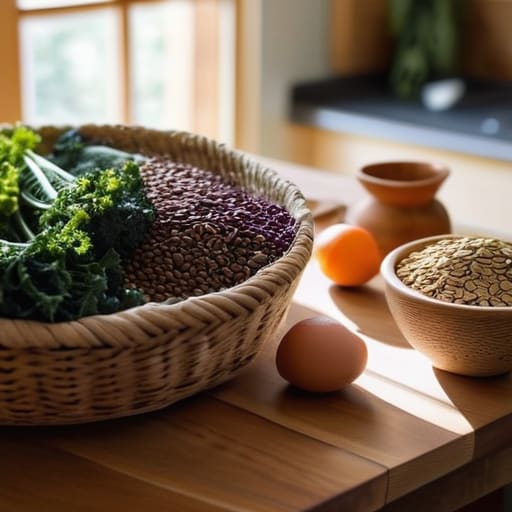
When I’m out in the field, sketching out a new rain garden, I often find myself lost in the rhythm of the seasons—not just for the plants, but for the way they dictate the very essence of what we should be putting on our plates. To me, nourishing your body is much like tending to a garden; you cannot expect a lush, vibrant bloom if you are neglecting the soil. Embracing affordable whole foods is the foundation of this practice. Instead of reaching for processed, soul-crushing convenience, I find so much peace in returning to the basics: a handful of dried lentils, a bag of hearty oats, or a basket of whatever the local market is offering in abundance.
There is a profound, almost meditative joy in minimizing food waste by seeing every scrap as a potential gift. I think of my kitchen like a landscape design; every ingredient has a purpose and a place. By focusing on low cost protein sources like beans and chickpeas, you aren’t just saving money—you are cultivating a sustainable way of living that honors both your wallet and your vitality. It’s about finding the artistry in the simple, unadorned ingredients that truly feed the spirit.
The Seasonal Produce Benefits of Natures Design
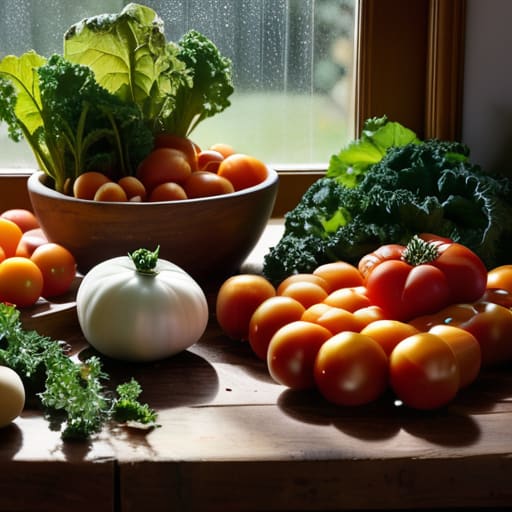
When I’m out in the field, sketching a new terrace layout, I’m always struck by how nature operates on a perfect, rhythmic cycle. Designing a garden is much like planning a menu; you have to work with the seasons, not against them. Embracing the seasonal produce benefits is one of the most elegant ways to align your kitchen with the earth’s natural design. When you buy what is currently peaking—be it the sun-drenched heirloom tomatoes of August or the hardy, frost-kissed kale of January—you aren’t just getting better flavor; you’re tapping into a system that is inherently more sustainable and far more economical.
I often think of my garden beds as a living pantry. Just as I wouldn’t force a lavender plant to bloom in the dead of winter, I find that forcing a grocery list to include out-of-season imports is a recipe for both high costs and a heavy carbon footprint. By focusing on what the local soil is currently offering, you naturally lean into affordable whole foods that haven’t been shipped across oceans. It turns your weekly market trip into a creative scavenger hunt, much like my morning walks through the hills of Berkeley, seeking out the hidden gems the landscape is currently gifting us.
Planting the Seeds of Thrift: My Five Blueprint Strategies for a Nourishing Kitchen
- Think like a perennial: prioritize bulk staples like quinoa, lentils, and oats. Just as I’d design a garden with a strong, foundational groundcover to minimize maintenance, these pantry essentials provide a reliable, low-cost base for almost any meal, ensuring your nutritional landscape is never barren.
- Embrace the beauty of the “scraps”: don’t discard those vegetable ends or herb stems. I often think of them as the fallen leaves in a forest—they aren’t waste, they’re potential. Simmer them into a rich, restorative broth that turns your kitchen into a sanctuary of flavor without spending an extra dime.
- Shop with the rhythm of the seasons: much like how I wouldn’t plant a sun-loving lavender in a shaded corner, don’t fight the natural cycle of the market. Buying produce when it’s in peak season is not only more eco-friendly, but it’s also when the flavors are most vibrant and the prices are at their gentlest.
- Master the art of the “Garden Batch”: when you find a great deal on a specific ingredient, treat it like a new seedling and propagate it! I love prepping large batches of grains or roasted root vegetables on a Sunday; it’s like preparing a landscape for the week ahead, ensuring you always have a ready-to-bloom meal waiting for you.
- Curate your pantry like a curated collection: avoid the “overgrowth” of expensive, processed snacks that clutter your budget and your health. Instead, focus on a few high-quality, versatile ingredients that can be rearranged into endless combinations, much like how a well-designed patio can serve as both a quiet reading nook and a lively dining space.
Cultivating Your Personal Wellness Garden
Think of your grocery list as a blueprint for a living ecosystem; by prioritizing whole, seasonal ingredients, you aren’t just saving money, you’re planting the seeds for long-term vitality.
Embrace the artistry of the pantry by treating affordable staples—like grains and legumes—as the foundational soil that allows more vibrant, expensive nutrients to truly flourish in your diet.
View budget-friendly eating through the lens of sustainability, understanding that choosing local, minimally processed foods nourishes your body and the planet with the same harmony I strive for in my garden designs.
The Architecture of a Nourishing Table
“Just as I wouldn’t dream of designing a garden without considering the rhythm of the seasons and the resilience of the soil, we shouldn’t view a budget as a constraint, but rather as the framework for a more intentional way of living; it’s about selecting the most vibrant, honest ingredients—the ones that grow with purpose—and arranging them into a life that feels as lush and abundant as a well-tended meadow.”
Francesco Fletcher
Planting the Seeds of a Sustainable Lifestyle
As we draw this journey to a close, I hope you see that eating well on a budget isn’t about restriction; it’s about the intentional curation of what we bring into our lives. Just as I wouldn’t dream of designing a garden without considering the soil’s health or the rhythm of the seasons, we must approach our kitchens with that same level of mindful stewardship. By embracing whole foods, honoring the seasonal cycles of the earth, and choosing ingredients that respect both your wallet and the planet, you are effectively cultivating a landscape of wellness that can flourish for years to come. It is about finding the harmony between what is nourishing for the body and what is sustainable for our resources.
Ultimately, I want you to view your plate as a living, breathing canvas—much like the garden sketches I carry in my travel journal. Every affordable, seasonal vegetable you select is a tiny, vibrant seedling of a much larger, more beautiful life. Don’t let the complexity of modern food systems intimidate you; instead, return to the simplicity of nature’s own design. When you cook with intention, you aren’t just preparing a meal; you are nurturing your own internal ecosystem. So, go forth and plant those seeds of change, one delicious, budget-friendly bite at a time, and watch how beautifully your life begins to bloom.
Frequently Asked Questions
How can I transition to a more sustainable, plant-based diet without breaking the bank on specialty health food items?
Think of your pantry as a landscape waiting to be cultivated. You don’t need those overpriced, neon-packaged “superfoods” to find balance. Instead, look to the sturdy, reliable perennials of the food world: dried lentils, chickpeas, and ancient grains. They are the bedrock of a sustainable diet. Much like my little fern, Barnaby, who thrives on simple, honest care, your body flourishes on these humble staples. They’re affordable, incredibly versatile, and deeply kind to our planet.
Are there specific ways to utilize small urban garden spaces or window boxes to supplement my grocery list with fresh, living ingredients?
Even in the tightest urban corners, you can weave a living pantry. I love tucking “Oliver,” my resilient rosemary bush, into a sunny window box, or letting “Luna,” a trailing strawberry plant, spill over a balcony railing. These micro-gardens act like tiny, edible tapestries. By utilizing vertical planters or even repurposed containers, you turn mere inches of space into a lush, sustainable source of flavor that breathes life right into your kitchen.
How do I balance the desire for organic, eco-friendly produce with the reality of a strict monthly food budget?
It’s a delicate balance, much like designing a garden where every inch must serve a purpose. Don’t feel pressured to buy everything organic; instead, focus your precious resources on the “Dirty Dozen”—those crops that tend to hold onto more pesticides. For the rest, embrace the beauty of local, seasonal finds. Think of it as curating a landscape; you don’t need every exotic specimen, just the right, hardy ones that flourish within your means.