I used to think that if I didn’t have a printed card with precise measurements and a timer, I was basically just playing Russian roulette with my dinner. I spent years hovering over a stove, terrified that a single misplaced teaspoon of salt would ruin everything, convinced that learning how to cook without a recipe was some kind of elite, mystical talent reserved for professional chefs. But honestly? All those rigid instructions were just a crutch that kept me from actually understanding the food in front of me.
I’m done with the gatekeeping and the overly complicated culinary math. In this guide, I’m stripping away the pretension to show you how to actually use your senses to build a meal from scratch. I’m not going to give you a list of “must-have” expensive gadgets or academic theories; instead, I’m sharing the real-world intuition I’ve built through years of trial, error, and a few delicious disasters. We’re going to focus on flavor profiles, heat management, and the art of tasting as you go, so you can finally feel truly confident the moment you pick up a knife.
Table of Contents
Mastering Flavor Profiling Techniques and Seasoning by Taste
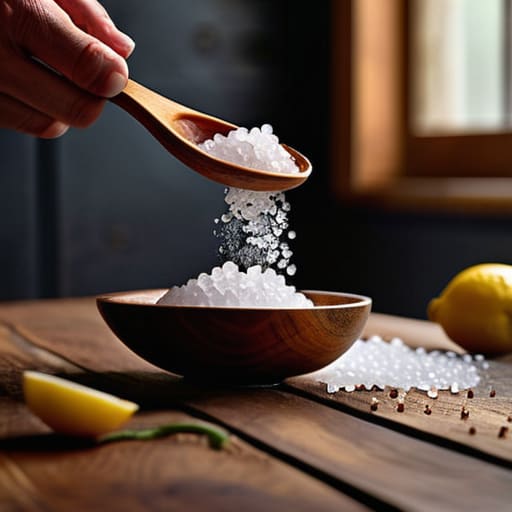
Once you’ve ditched the rigid instructions, the real magic happens when you start seasoning by taste. Instead of dumping a teaspoon of salt into a pot because a book told you to, grab a clean spoon and actually sample your creation. Is it flat? It probably needs acid—think a squeeze of lemon or a splash of vinegar to brighten things up. Is it too sharp? A pinch of sugar or a knob of butter can mellow that edge. This isn’t about following a formula; it’s about learning the language of your ingredients through constant, small adjustments.
To get good at this, you need to move beyond basic salt and pepper and lean into flavor profiling techniques that play with contrast. Think about the balance between salty, sweet, sour, bitter, and umami. If you’re improvising with seasonal vegetables, you might find that a roasted squash needs a salty feta to balance its natural sweetness, or a bitter kale needs a bit of honey to become palatable. It’s all about finding that perfect equilibrium where no single ingredient screams too loud, but everything works together in harmony.
Understanding Cooking Ratios to Build Culinary Confidence
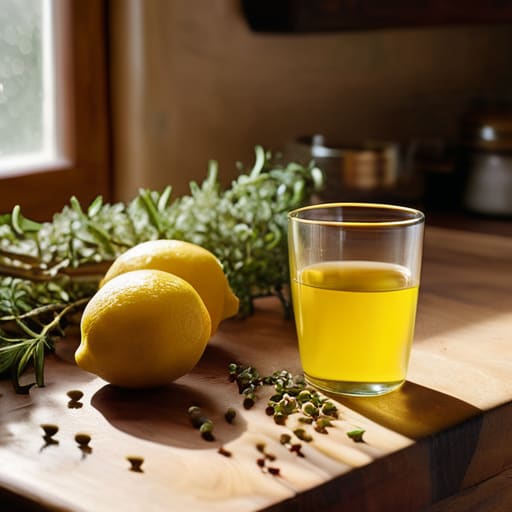
If you want to stop staring at measuring spoons, you need to stop thinking in grams and start thinking in proportions. This is where understanding cooking ratios becomes your secret weapon. Instead of memorizing a thousand different dishes, learn the basic blueprints that govern them. For example, if you know the standard ratio for a vinaigrette is three parts oil to one part acid, you aren’t just following a rule—you’re mastering a framework. Once you grasp these fundamental building blocks, you can swap lemon juice for apple cider vinegar or olive oil for avocado oil without breaking a sweat.
This shift in mindset is one of the most important culinary fundamentals for beginners because it transforms cooking from a chore into a creative game. Whether you are scaling up a grain bowl or thickening a sauce, these mathematical relationships act as your safety net. When you rely on ratios rather than rigid instructions, you gain the freedom to practice pantry staple cooking with total confidence, knowing that as long as your proportions are balanced, the dish will hold together beautifully.
Five Ways to Stop Relying on the Page
- Get comfortable with “the pinch.” Instead of measuring out a teaspoon, start with a tiny pinch of salt or spice, taste it, and add more only if it feels like something is missing. It’s much easier to add flavor than it is to fix a dish that’s gone overboard.
- Learn your pantry’s “flavor families.” If a dish feels flat, don’t just reach for salt; try an acid like lemon juice or vinegar to brighten it up, or a fat like butter or olive oil to round out the edges. Knowing which levers to pull changes everything.
- Keep a “scraps jar” in your freezer. Cooking without a recipe often means making stocks or sauces from scratch, and having a collection of onion skins, carrot ends, and herb stems makes it effortless to build deep, soulful flavor without a formal plan.
- Use your eyes as much as your tongue. Watch how a sauce thickens, how a vegetable changes color, or how meat pulls away from the bone. Visual cues are often more reliable than a timer, telling you exactly when a dish has transitioned from “raw” to “perfect.”
- Embrace the “controlled chaos” of a single pan. One of the best ways to build instinct is to throw a protein, a starch, and a handful of seasonal veggies into a skillet and figure out the timing as you go. It’s messy, it’s intuitive, and it’s where the real learning happens.
Quick Wins for Your Next Kitchen Session
Stop obsessing over measurements and start obsessing over taste; if it’s flat, add acid; if it’s dull, add salt.
Learn the basic ratios—like the 3:1 rule for grains or the balance of fat to acid—to create a mental safety net when you ditch the book.
Treat every meal as a low-stakes experiment where the only real “failure” is not tasting your food as you go.
## The Soul of the Kitchen
“A recipe is just a map, but cooking? Cooking is the actual journey. Once you stop staring at the instructions and start listening to the sizzle and tasting the salt, you stop being a follower and start being a chef.”
Writer
Ditch the Manual and Start Cooking
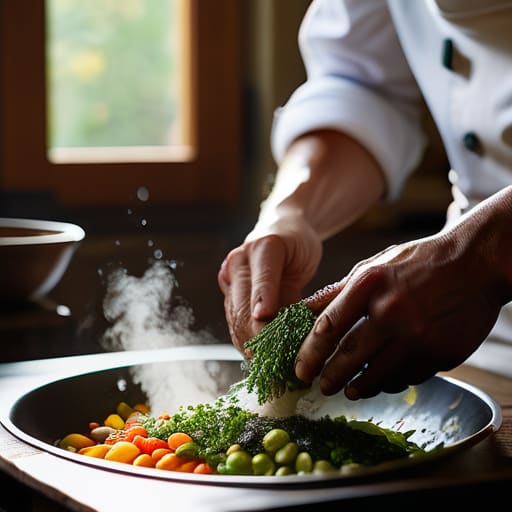
At the end of the day, cooking without a recipe isn’t about memorizing a thousand different ingredient lists; it’s about understanding the fundamental mechanics of flavor. You’ve learned how to balance acidity and fat, how to use ratios to build a structure, and most importantly, how to trust your own palate over a printed page. Once you stop viewing a recipe as a rigid set of laws and start seeing it as a mere suggestion, the kitchen transforms from a place of stress into a playground for experimentation. You aren’t just following instructions anymore—you’re actually making decisions.
So, the next time you find yourself staring at a half-empty pantry or a random assortment of vegetables, don’t panic. Don’t reach for your phone to search for a tutorial. Instead, grab a spoon, take a sip, and ask yourself what that dish actually needs. There is a profound, quiet magic in creating something delicious out of thin air, driven entirely by your own intuition. Stop worrying about making a mistake and start embracing the beautiful chaos of cooking by instinct. Your best meals won’t come from a book; they’ll come from you.
Frequently Asked Questions
What do I do if I accidentally over-salt or over-spice a dish while experimenting?
Don’t panic—it happens to the best of us. If you’ve gone overboard on salt, try adding a splash of acid (like lemon juice or vinegar) or a bit of starch (like a potato) to soak it up. If the spice level is hitting too hard, drown the heat with something creamy, like yogurt or coconut milk. The goal isn’t to hide the mistake, but to rebalance the scales so everything tastes intentional.
How can I tell if I'm using too much of a certain ingredient before it ruins the whole meal?
The golden rule? Stop. Before you dump that handful of salt or splash of vinegar into the pot, take a tiny spoonful of the liquid or a small piece of the solid and taste it. If it tastes “loud” or aggressive on your tongue, it’s already too much. If you’ve already committed the crime, don’t panic—dilute it with more base (like broth or cream) or use a heavy hitter like starch or acid to balance it out.
Is there a way to practice this skill without wasting a ton of expensive ingredients?
Absolutely. Don’t go buying expensive saffron or wagyu just to practice. Start with the “pantry basics” method. Grab some cheap staples—think dried lentils, basic pasta, or even just a bag of rice and some frozen veggies. These are low-stakes. If you over-salt a bowl of lentils, you’ve lost pennies, not your grocery budget. Use these “sacrificial” ingredients to experiment with acid, heat, and salt until your intuition actually starts clicking.
