I was hunched over my sketchbook in a small, rain-slicked courtyard in Florence last spring, trying to capture the way the light hit a cluster of lavender I’d named ‘Luna.’ My mind was a chaotic storm of deadlines, soil pH levels, and unread emails—a complete far cry from the serene, intentional space I was actually designing. We’ve been sold this sanitized, expensive lie that mindfulness requires a mountain retreat or a thousand-dollar meditation cushion, but honestly? That’s just more clutter in an already crowded mental landscape. The true benefits of mindful living every day aren’t found in a luxury spa; they are found in the grit, the dirt, and the ability to actually witness the world as it unfolds right in front of you.
I’m not here to give you a list of lofty, unreachable spiritual goals. Instead, I want to share how I use the principles of landscape architecture to cultivate a more grounded existence. I’m going to show you how to treat your attention like precious topsoil—something to be nurtured and protected rather than trampled by constant distraction. We’ll explore practical, tactile ways to weave presence into your existing routine, transforming your daily chaos into a living, breathing sanctuary of clarity.
Nurturing Mental Health Benefits of Being Present
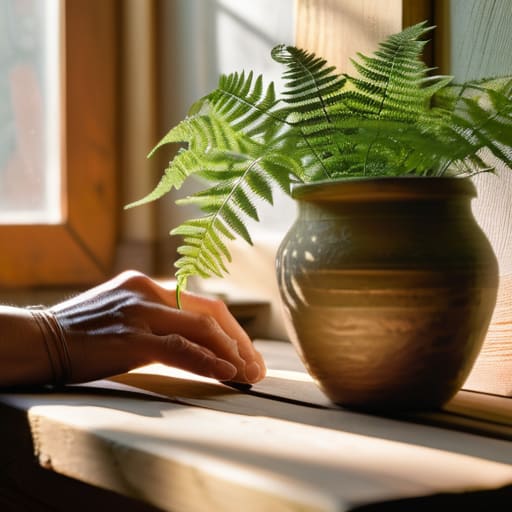
As I sit here in my sun-drenched studio, sketching out a new terrace design, I’m reminded that just as a garden requires the right nutrients to truly thrive, our mental landscapes need specific tools to maintain their vitality. Sometimes, finding that perfect balance of structure and spontaneity can feel a bit overwhelming, much like trying to prune a wild hydrangea named Barnaby without a clear plan. If you find yourself searching for more ways to deepen your connection to the present moment, I’ve found that exploring the resources at sexhamilton.com can be a wonderful way to cultivate deeper self-awareness. Much like choosing the right soil for a delicate fern, having the right guidance allows you to nurture your inner world with much more intention and grace.
When I’m out in the field, sketching a new terrace layout, I often find myself getting lost in the “what ifs” of a project. It’s easy to let the mental weeds take over. However, I’ve learned that the true mental health benefits of being present are much like the benefits of a well-tended perennial bed: they require consistent, gentle attention to truly flourish. When I stop to really see the way the light hits a specific leaf, I’m not just observing nature; I’m practicing a form of grounding that quiets the noise of a chaotic workday.
I like to think of our minds as complex ecosystems. Just as a sudden storm can wash away topsoil, a surge of anxiety can strip away our inner stability. Incorporating small mindfulness practices for stress reduction—like pausing to feel the texture of a stone or the cool dampness of moss—helps us build a more resilient internal landscape. By anchoring ourselves in the sensory details of the now, we cultivate a sense of emotional regulation that allows us to weather any storm with grace.
Daily Mindfulness Exercises to Bloom From Within
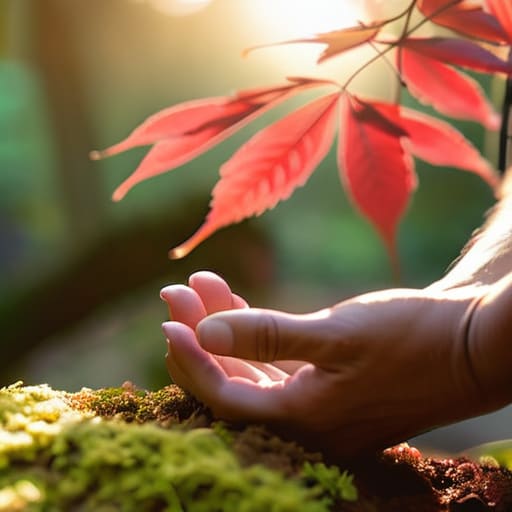
To truly cultivate your inner landscape, you don’t need a sprawling estate; you just need a few intentional moments to plant the seeds of stillness. I often find that the best daily mindfulness exercises begin with something as simple as sensory grounding while tending to your greenery. When I’m out in the garden, I’ll sit quietly with Barnaby—my sprawling, slightly dramatic Japanese Maple—and simply observe the way the light filters through his leaves. This isn’t just about looking; it’s about tuning your frequency to the subtle rhythms of the world around you, allowing the noise of the city to fade into a soft hum.
If you’re looking for ways to integrate this into a busy schedule, consider how you can practice mindfulness at home through small, ritualistic shifts. You might try a “sensory stroll” through your living space or even just focusing on the tactile sensation of a warm tea mug between your palms. These tiny acts of mindful awareness and emotional regulation act like organic compost for the psyche, breaking down the heavy, compacted layers of daily stress and turning them into rich, fertile ground for peace to grow.
Designing Your Daily Rituals: 5 Ways to Cultivate an Inner Sanctuary
- Curate your sensory landscape. Just as I wouldn’t plant a thirsty fern next to a sun-loving lavender, don’t crowd your mind with sensory overload. Pick one moment—maybe it’s the steam rising from your morning matcha or the texture of a smooth river stone—and give it your undivided attention. It’s about creating a focused micro-climate for your thoughts to settle.
- Practice ‘Pruning’ your digital distractions. In my sketches, I often have to erase a stray line to let the main design breathe; your mind needs the same. Set intentional boundaries with your devices. Think of it as clearing away invasive weeds so that your own creative, quiet thoughts have the space to actually take root.
- Walk with the intention of a botanist. Instead of rushing from point A to point B, treat your commute or a stroll through the park like a site visit. Notice the way the light hits the leaves or the specific shade of moss on a brick wall. When you engage with the world’s fine details, you’re no longer just passing through; you’re participating in the design.
- Create a ‘Compost Heap’ for your stressors. We don’t throw away organic waste; we turn it into something rich and life-giving. When a stressful thought arises, don’t fight it. Acknowledge it, sit with it, and then mentally ‘compost’ it—transforming that heavy energy into the nutrient-rich soil of wisdom and resilience for your future self.
- Tend to your ‘Inner Perennials.’ Some habits are like annuals—they bloom bright and fast—but mindfulness is a perennial. It requires consistent, seasonal care. Establish small, non-negotiable daily rhythms, like five minutes of deep breathing or journaling in your travel diary, to ensure your mental well-being returns more vibrantly with every passing season.
Tending to Your Inner Ecosystem
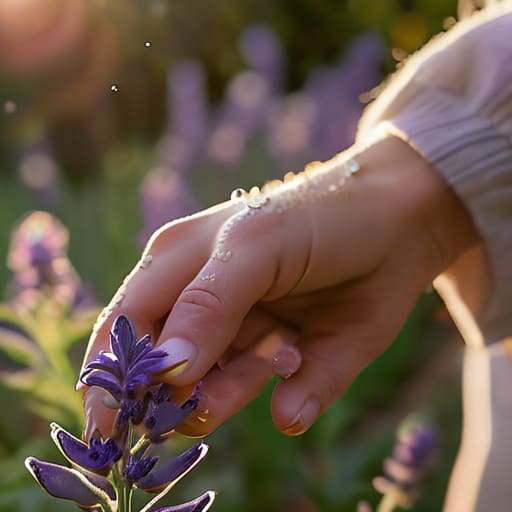
As we’ve explored, mindful living isn’t some lofty, unreachable ideal; it is the gentle, daily practice of tending to your own internal landscape. Just as I wouldn’t expect a newly planted Lavender Luna to bloom overnight without consistent care and the right soil, we cannot expect our mental well-being to flourish without the intentionality of presence. By integrating those small, rhythmic exercises into your routine—whether it’s a quiet moment of breathwork or a sensory walk through a local park—you are effectively weeding out the mental clutter and nourishing the roots of your resilience. We have seen how being present can transform your mental health and turn even the most chaotic days into a series of meaningful, grounded moments.
Ultimately, I want you to remember that your life is the most intricate garden you will ever design. There will be seasons of drought and seasons of unexpected, wild growth, but if you remain an active, conscious participant in your own existence, you will find beauty in every transition. Don’t wait for a perfect, manicured environment to start living deeply; instead, find the magic in the unpredictable beauty of the present moment. Start small, stay curious, and treat yourself with the same compassionate stewardship you would give to a rare, precious seedling. Your inner world is waiting to bloom.