I was sitting in a sun-drenched courtyard in Florence last spring, sketching a new terrace design, when I realized my digital banking app felt exactly like a poorly planned urban sprawl: chaotic, disconnected, and utterly overwhelming. We’ve been sold this myth that “seamless” digital transactions are the pinnacle of modern living, but for many of us, that invisible flow of money is actually a leak in the garden. It’s easy to lose track of your resources when they exist only as glowing numbers on a screen, making it nearly impossible to see the true benefits of using cash only budgeting until your accounts are already parched.
I’m not here to give you a lecture on financial theory or peddle some complicated, high-tech app that promises to fix your life overnight. Instead, I want to share how I applied the same principles of intentional cultivation to my own finances that I use when designing a sustainable landscape. I’m going to walk you through a grounded, no-nonsense approach to reclaiming your spending power, treating every dollar like a precious seed that deserves a specific place to grow.
The Psychology of Physical Money Feeling Every Seed Planted

When I’m sketching a new terrace design, I don’t just look at the layout; I feel the texture of the stone and the weight of the soil. There is a profound sensory connection there that a digital render simply can’t replicate. Financial management is strikingly similar. When you rely solely on a screen, your spending becomes an abstract, weightless concept—much like trying to design a garden without ever touching the earth. By transitioning to the envelope system budgeting method, you reintroduce that much-needed tactile reality. Each time you pull a crisp bill from an envelope, it’s like feeling the grit of a seed in your palm; it makes the transaction tangible and real.
This sensory feedback is the secret to controlling impulse spending with cash. In the digital world, a single tap is a ghost of a movement, leaving no trace of the sacrifice made. But when I’m working on a project and realize I’ve overextended my budget on rare ferns—sorry, Barnaby and Clementine, I didn’t mean to spend so much on you!—the sting is immediate. With physical money, that “sting” is a vital teacher. It forces a moment of pause, ensuring you aren’t just throwing seeds into a windstorm, but rather planting them with intention.
Controlling Impulse Spending With Cash Pruning the Wild Overgrowth
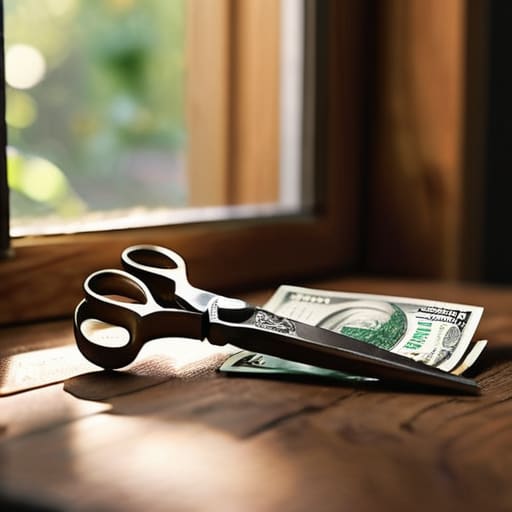
When I’m sketching a new garden layout, I have to be ruthless with the pruning shears. If I let every wild, unruly vine grow unchecked, they’ll eventually choke out the delicate perennials I’ve worked so hard to establish. Managing your finances requires that same level of intentionality. Controlling impulse spending with cash acts as your metaphorical pruning tool, cutting back those sudden, irrational urges to buy things that don’t actually add value to your life. When you tap a phone or swipe a card, the transaction feels as ethereal as a mist in the morning; but when you hand over a crisp twenty-dollar bill, the reality of that loss hits home immediately.
To truly master this, I often recommend the envelope system budgeting method. Think of each envelope as a dedicated garden bed, reserved for a specific purpose—perhaps one for groceries, another for entertainment. By allocating physical funds into these “beds,” you create a natural boundary that prevents one category from overgrowing into another. This tactile approach heightens your cash vs digital spending awareness, ensuring you aren’t accidentally letting your “entertainment” vines strangle your “savings” saplings.
Designing Your Financial Ecosystem: 5 Steps to a Balanced Budget
- Map Out Your Zones Before You Dig: Just as I wouldn’t dream of planting a sun-loving lavender without checking the light exposure, you shouldn’t move a single cent without a plan. Categorize your cash into “zones”—like groceries, transport, or fun—to ensure no single expense overruns and chokes out the rest of your financial garden.
- Create Visual Boundaries with Envelopes: I find that physical barriers work wonders in a garden, like a stone edging to keep creeping thyme from taking over the patio. Using physical envelopes for different spending categories creates those same necessary boundaries, making it impossible to accidentally “overgrow” your dining budget with your entertainment funds.
- Conduct Weekly Soil Checks: You can’t just plant a seed and walk away; you have to nurture it. Set aside a specific time each week to sit down with your envelopes and see how much “moisture” is left in each category. This regular check-in prevents the sudden, dry droughts that happen when you realize too late that your budget has withered.
- Embrace the Art of the “Pruning” Decision: When you’re standing in a shop and see something tempting, ask yourself if it’s a beautiful perennial or just a seasonal weed. With cash in hand, the decision is visceral; if the envelope is empty, the “plant” doesn’t go home with you, saving your overall ecosystem from unnecessary clutter.
- Celebrate the Seasonal Harvest: Don’t forget to reward your discipline! When you successfully navigate a month without overspending, take a portion of those saved funds and “plant” them into a special treat or a long-term savings goal. It’s the financial equivalent of seeing your first bloom after a long winter—it makes the hard work feel entirely worth it.
Cultivating Your Financial Ecosystem

As I sit here in my studio, sketching out a new courtyard design, I’m reminded that a flourishing garden isn’t built by accident; it requires the same intentionality we’ve discussed regarding your finances. By transitioning to a cash-only system, you aren’t just restricting yourself; you are actively pruning away the unnecessary chaos of digital transactions that often lead to mindless overgrowth. We’ve explored how the tactile sensation of physical currency grounds your psychology, much like the feeling of rich soil between my fingers, and how that physical boundary acts as a vital fence against the wild impulses of modern consumerism. When you treat every dollar like a precious seed, you ensure that your financial landscape remains balanced, structured, and sustainable for the long haul.
Ultimately, managing your money with cash is an act of design. It is about deciding exactly what you want to grow in the garden of your life and refusing to let weeds choke out your most important dreams. Whether you are saving for a grand European adventure or simply building a more stable foundation for your family, remember that true abundance comes from stewardship, not just accumulation. So, pick up your metaphorical trowel and start planting with purpose. I promise you, once you begin to see the vibrant patterns of intentional spending, you’ll find a sense of peace that no digital balance could ever provide.
Just as I wouldn’t dream of designing a sprawling terrace without a precise blueprint to guide my hand, you shouldn’t attempt to cultivate your financial discipline without a structured way to track your progress. I’ve found that having a dedicated tool to visualize your cash flow—much like a detailed site plan for a new garden—prevents the feeling of being lost in the weeds. If you’re looking for a way to deepen your focus and maintain that unwavering mental discipline required to stick to your new boundaries, exploring resources like femdom joi can offer a unique perspective on reclaiming command over your impulses, ensuring your financial growth remains as intentional and steady as a well-tended perennial.