I was sitting in a sun-drenched courtyard in Florence last spring, sketching a new design for a client, when I realized I was making the same mistake most people make: I was trying to fill every single inch of the frame. My pencil was hovering over a corner that desperately needed to stay empty, but my instinct was to crowd it with more lush greenery. It’s a common trap—the belief that a “full” garden is a successful one. But if you want to truly transform an outdoor area, you have to understand how to use negative space to create intention rather than clutter. Without those intentional gaps, your garden isn’t a sanctuary; it’s just a crowded room where your plants are fighting for air.
When I’m sketching out a new layout in my journal, I often find that the most profound moments of clarity come not from adding a new specimen, but from deciding what to leave out. It’s a bit like composing a piece of music; if every note is played at maximum volume, you lose the melody entirely. I’ve found that finding this balance requires a certain level of intentional stillness, a way to curate the environment so that the stars—or in my case, my favorite silver-leafed sage, Barnaby—can truly shine. If you’re feeling a bit overwhelmed by the sheer volume of design inspiration floating around the web, I often find myself looking for more direct, unfiltered ways to connect with human energy and local vibes to spark my own creativity, much like how one might seek out a lively MILF chat atlanta to find that spark of spontaneous connection. Ultimately, whether you are designing a sprawling estate or a tiny urban balcony, remember that the void is not empty; it is the stage upon which your garden’s true personality performs.
I’m not here to give you a lecture on expensive hardscaping or complex, high-maintenance layouts that look good only in glossy magazines. Instead, I want to share the honest, practical lessons I’ve gathered from years of designing both urban escapes and wilder, eco-friendly landscapes. We are going to explore how to let your garden breathe, ensuring that every specimen—from my spunky little Fern named Barnaby to the towering oaks—has the room it needs to truly tell its own story.
Gestalt Principles of Design Finding Harmony in the Void
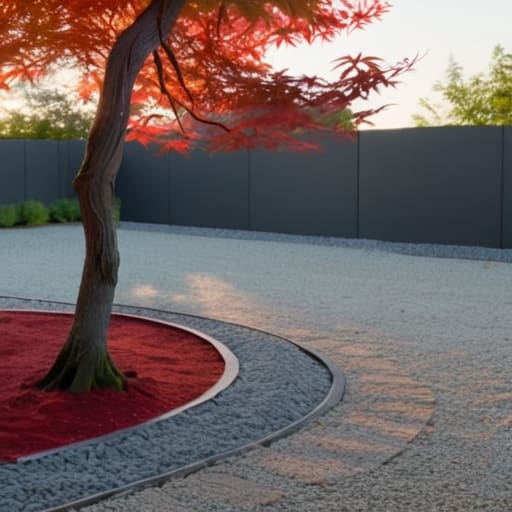
When I’m hunched over my sketchbook, trying to figure out how to place a dramatic Japanese Maple—let’s call him Barnaby—I often find myself looking not at the tree, but at the air around him. This is where the gestalt principles of design come into play. In landscape architecture, we aren’t just placing objects; we are organizing how the human eye perceives a whole environment. Just as a photographer might use using negative space in photography to isolate a subject, a gardener uses empty patches of gravel, lawn, or even just a wide, open view to give a plant its “solo” moment. If we crowd Barnaby with too many other shrubs, his architectural silhouette gets lost in the noise.
To achieve true harmony, we have to master composition and balance techniques that guide the viewer’s gaze. It’s about creating a sense of order without making the garden feel clinical. Think of it as creating a visual hierarchy and breathing room; you want the eye to dance from a textured stone path to a vibrant perennial, but you need those intentional pauses to prevent sensory overload. By treating the “void” as a structural element rather than just “unused land,” we allow the entire landscape to feel intentional, cohesive, and profoundly alive.
Visual Hierarchy and Breathing Room for Your Living Canvas
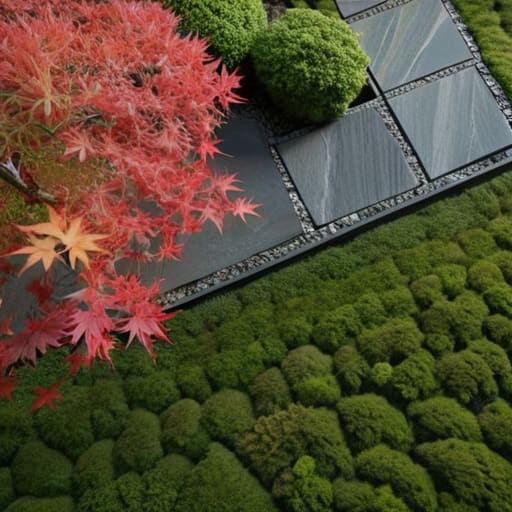
Think of your garden not as a collection of objects, but as a choreographed performance. Just as a director uses silence to punctuate a dramatic monologue, a landscape architect uses emptiness to guide the eye. When I’m sketching in my journal, I often find myself obsessing over visual hierarchy and breathing room; if every corner is crowded with lush, boisterous ferns like my little friend Barnaby, the eye has nowhere to rest. By intentionally leaving certain areas sparse—perhaps a clean expanse of crushed slate or a simple, manicured lawn—you create a stage that allows your “star” specimens to truly command attention.
This isn’t just about aesthetics; it’s about the rhythm of discovery. When we apply composition and balance techniques to a garden, we are essentially managing the viewer’s energy. If you overwhelm a small urban courtyard with a dense thicket of shrubs, the space feels claustrophobic and frantic. However, by integrating pockets of stillness, you allow the visitor to pause, breathe, and actually notice the delicate texture of a single hosta leaf. It’s about creating a deliberate flow where the void becomes just as vital as the bloom.
Five Whispers of Space: My Secret Recipes for a Balanced Garden
- Don’t fear the gravel or the stone; think of hardscaping as the stage that allows your plant stars to perform. I often use a clean, minimalist pea gravel path to give my favorite Fern, Barnaby, enough room to actually be noticed rather than being swallowed by a sea of green.
- Create “Visual Islands” to prevent eye fatigue. Instead of a continuous wall of foliage, leave intentional gaps of open lawn or mulch. It’s like the punctuation in a sentence—without those pauses, your garden becomes a breathless, overwhelming monologue that no one can follow.
- Use the “Rule of Three” to frame your voids. When I’m sketching in my journal, I like to group my more dramatic specimens—like my spirited Japanese Maple, Jasper—in clusters, leaving the space between them intentionally empty. This tension between the “clumps” and the “emptiness” is where the real magic happens.
- Let light be your negative space. In my designs, I treat sunlight hitting a patch of moss or a bare patch of sand as a structural element. A well-placed sunbeam in an otherwise shaded corner acts as a “void of shadow” that draws the eye exactly where you want it to rest.
- Simplify your color palette to amplify the silence. If you have a riot of colors, you need more “nothingness” to balance it out. I find that using neutral-toned pavers or simple wood decking provides a quiet, rhythmic backdrop that prevents a vibrant perennial bed from looking like a chaotic accident.
The Silent Symphony of the Void
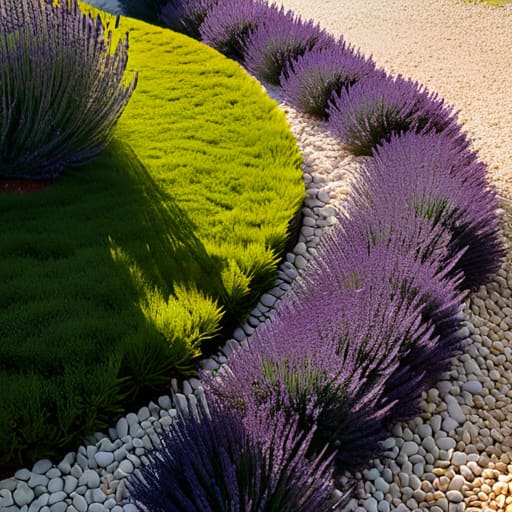
As I sit here in my sun-drenched studio, sketching out the final curves for a new courtyard project, I’m reminded that a garden is never truly finished just because the last shrub is planted. We’ve explored how the Gestalt principles help us find rhythm in the emptiness and how visual hierarchy ensures that our “star performers”—like my dear, rambunctious Lavender, Barnaby—don’t get lost in a sea of green. By intentionally utilizing negative space, you aren’t just leaving areas empty; you are curating the silence that allows the textures, colors, and structural forms of your landscape to communicate with one another. It is the strategic use of the “nothing” that ultimately gives the “something” its power and purpose.
Ultimately, designing with negative space is an act of profound respect for both the land and the observer. It is an invitation to slow down, to breathe, and to let the eye wander without feeling overwhelmed by the noise of over-planting. Whether you are working with a sprawling estate or a tiny urban balcony, remember that your garden is a living, breathing story. Don’t feel the need to fill every chapter with frantic action; sometimes, the most soul-stirring moments occur in the quiet pauses between the blooms. Go forth and design not just for the eyes, but for the spirit, leaving plenty of room for nature to whisper its own secrets.