I remember sitting in my father’s sun-drenched study back in San Francisco, surrounded by sketches of sprawling gardens, feeling that same overwhelming hesitation you might feel right now. There is a certain intimidation that comes with staring at an empty windowsill, wondering if you possess the green thumb necessary to keep a living thing thriving. Many people shy away from indoor gardening because they fear the heartbreak of a wilted leaf, but I see it differently. Finding the right houseplants for beginners isn’t about achieving perfection; it’s about discovering those first resilient companions that teach you the rhythmic language of light and water.
In the following guide, I’ve hand-selected five extraordinary botanical partners that are as forgiving as they are beautiful. I won’t just give you a list of names; I’m going to introduce you to five living masterpieces that act as the perfect foundation for your growing indoor sanctuary. From the quiet, structural elegance of a sturdy succulent to the lush, leafy whispers of a tropical climber, you will learn exactly how to select, nurture, and eventually fall in love with your very first green residents.
Table of Contents
- The Resilient Guardian, Snake Plant
- The Cascading Dreamer, Pothos
- The Sculptural Soul, ZZ Plant
- The Gentle Spirit, Peace Lily
- The Vibrant Wanderer, Spider Plant
- Cultivating Your Connection: Final Thoughts for Your Indoor Garden
- ## The Soul of the Indoor Garden
- Cultivating Your Living Legacy
- Frequently Asked Questions
The Resilient Guardian, Snake Plant
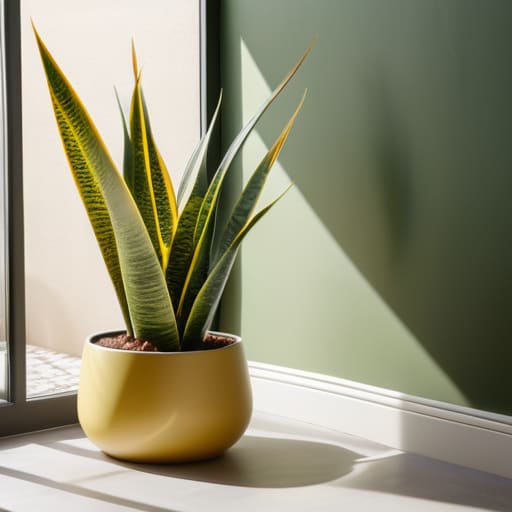
First on my list is a plant I’ve affectionately named Barnaby. Barnaby is a Snake Plant, and he is the ultimate companion for those who might feel a bit nervous about their “green thumb” status. He doesn’t demand constant attention or a complex watering schedule; in fact, he actually prefers it when you occasionally forget about him. His architectural, upright leaves add a sense of structured elegance to any corner, making him a perfect piece for a minimalist urban sanctuary.
The Cascading Dreamer, Pothos
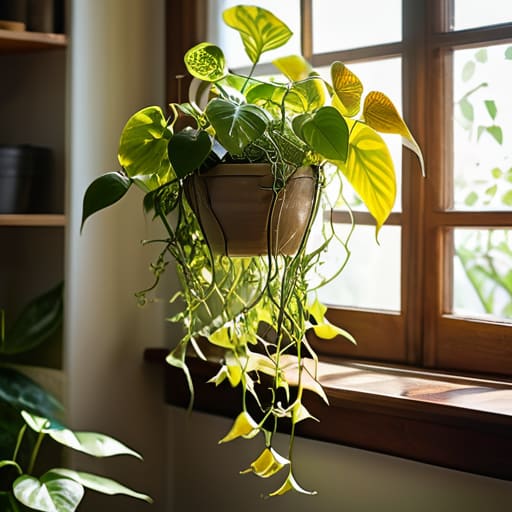
Next, let me introduce you to Penelope, a Golden Pothos that I find absolutely enchanting. Penelope is a “vining” beauty, meaning she loves to spill over the edges of bookshelves or drape gracefully from a hanging planter like a living waterfall. I often find myself sketching her trailing vines in my journal, trying to capture the way she seems to reach for the light with such effortless curiosity.
The Sculptural Soul, ZZ Plant
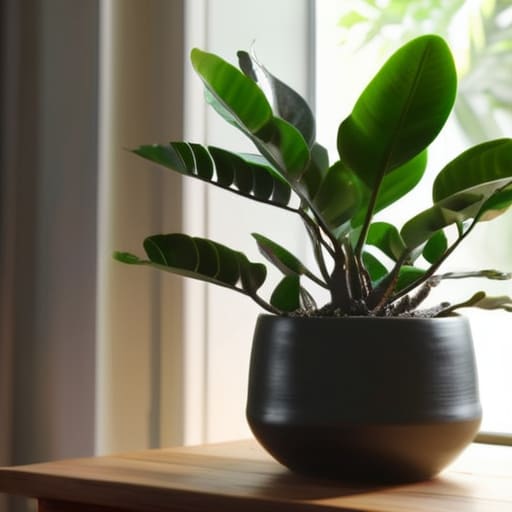
If you are looking for something that feels more like a piece of fine art, you must meet Ziggy, my beloved ZZ Plant. Ziggy has these incredibly waxy, deep green leaves that catch the light in a way that feels almost cinematic. In my landscape sketches, I often use the ZZ plant to represent stability and enduring beauty because of its thick, bulbous rhizomes that store water like tiny, hidden reservoirs.
The Gentle Spirit, Peace Lily
Then there is Luna, my Peace Lily, a plant that brings a sense of profound tranquility to any space she inhabits. Luna is a bit more expressive than her peers; she has this wonderful way of bowing her head slightly when she needs a drink, almost as if she’s politely asking for your attention. Her elegant, white spathes look like tiny sails catching a breeze, adding a soft, romantic texture to your indoor landscape.
The Vibrant Wanderer, Spider Plant
Finally, I have to tell you about Sprout, my energetic Spider Plant. Sprout is a constant source of joy in my studio, mostly because he is always “having babies”—producing tiny plantlets on long, arching stems that look like little travelers searching for new lands. I love to snip these off and start new lives for them, which makes the process of gardening feel like a continuous cycle of creation.
Cultivating Your Connection: Final Thoughts for Your Indoor Garden
Remember that every green companion you bring home is a new character in your living story; treat them with patience and listen to what their leaves are telling you about their needs.
Don’t aim for a perfect, manicured museum; aim for a resilient, breathing ecosystem where even a little bit of trial and error helps you grow alongside your plants.
Start small and prioritize sustainability by choosing hardy, low-maintenance species that will thrive in your specific light and humidity, building a foundation of confidence for your future urban sanctuary.
## The Soul of the Indoor Garden
“Don’t view a new houseplant as a mere decoration or a task on a checklist; see it as the first character in a living story you are writing together. When you welcome a resilient little friend like a Pothos into your home, you aren’t just adding greenery—you are inviting a quiet, breathing companion to help you learn the delicate rhythm of nurturing life.”
Francesco Fletcher
Cultivating Your Living Legacy
As you begin this journey, remember that selecting your first green companions—whether it’s the stoic presence of a Snake Plant or the whimsical reach of a Pothos—is about more than just decorating a shelf. It is about understanding the unique rhythm of your home and matching it with the needs of your new friends. We’ve explored how resilience and light are your best allies, proving that you don’t need a master’s degree in botany to foster a thriving indoor ecosystem. By choosing plants that align with your lifestyle, you are building a foundation of confidence that will eventually allow you to experiment with more temperamental, exotic species as your intuition grows.
Beyond the soil and the sunlight, there is a profound magic in the way a single leaf can transform the energy of a room. As I sit here in my studio, sketching out new garden layouts, I am constantly reminded that every great landscape, no matter how vast, begins with a single, intentional choice. Don’t be afraid to make mistakes or even lose a leaf here and there; every fallen leaf is simply a lesson in the art of growth. Treat your plants not as mere objects, but as living partners in your personal sanctuary. Once you start listening to their silent stories, you’ll realize you aren’t just growing a collection—you are cultivating a soul.
Frequently Asked Questions
How can I tell if my new green companion is actually thirsty or if I'm just over-nurturing it with too much water?
It’s the classic dilemma, isn’t it? We love our green friends so much we end up drowning them in affection. To tell, stop looking at the surface and start getting tactile. Gently press your finger an inch into the soil; if it feels damp, leave Barnaby the Fern alone! If it’s parched, he’s thirsty. Also, watch the leaves—wrinkled skin usually means thirst, while yellowing, mushy stems are a cry for help against overwatering.
I've noticed some yellowing leaves on my new arrivals; is this just a natural adjustment period or a sign of a deeper struggle?
Oh, don’t let those yellowing leaves break your heart just yet! It’s often just a little case of “new home jitters.” Think of it as your green companions, like little Barnaby the Pothos, settling into their new rhythm after the long journey to your sanctuary. However, if the yellowing spreads rapidly or feels mushy, it might be a cry for help regarding overwatering. Let’s gently observe their soil and light together.
Which specific spots in my apartment offer the most soul-nourishing light for these plants to truly thrive?
To find the perfect stage for your new companions, look for those sun-drenched windowsills where the light feels almost liquid. A south-facing window is a golden treasure chest for light-hungry souls, while an east-facing spot offers that gentle, waking glow that won’t scorch delicate leaves. If your apartment feels a bit more mysterious and shaded, a north-facing corner can still host a quiet, leafy sanctuary. Always watch how the shadows dance; that’s the light’s true rhythm.