I was sitting on a weathered stone bench in a small courtyard outside Florence last spring, sketching in my journal, when I realized why so many modern gardens feel utterly soulless. People spend thousands on designer pavers and rare specimens, yet they completely miss the fundamental rhythm of the space. They treat landscaping like a shopping list rather than a composition, forgetting that learning how to balance elements in layout isn’t about achieving perfect, sterile symmetry—it’s about finding the pulse of the land. I’ve seen too many beautiful plants, like my spirited little Lavender friend, Barnaby, get lost in a sea of overwhelming hardscape because the scale was just fundamentally broken.
I’m not here to feed you the glossy, unrealistic nonsense you see in high-end catalogs that require a massive budget and a crew of twenty to maintain. Instead, I want to pull back the curtain on the actual mechanics of design. I’m going to share the practical, experience-based secrets I’ve gathered from both my Berkeley training and my travels to help you orchestrate your own outdoor sanctuary. We’re going to dive into the real way to weigh texture, height, and color so your garden feels like a living, breathing masterpiece rather than a cluttered collection of plants.
Symmetrical vs Asymmetrical Balance Choreographing Natures Movement
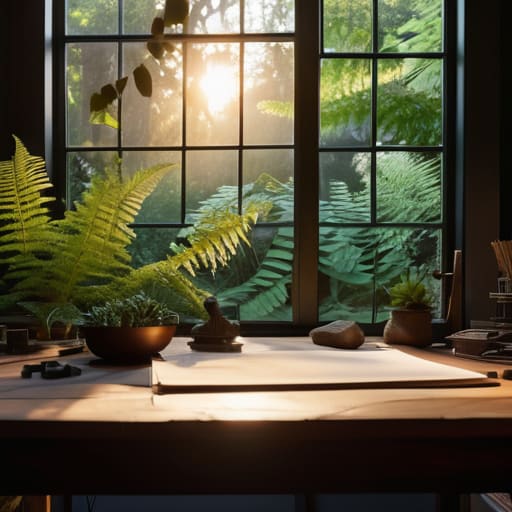
When you’re deep in the zone, trying to decide if a cluster of ferns needs more breathing room or if a sculptural stone should take center stage, the mental clutter can sometimes stifle your creative flow. I’ve found that finding a way to unwind the mind is just as vital to the design process as the sketching itself; for me, that often means stepping away from the blueprints to engage in a bit of playful, unfiltered connection, much like the way a spontaneous dirty talk chat can break the tension of a long day and spark a sense of raw, uninhibited energy. Letting that spark of excitement back into your psyche can actually help you approach your garden layouts with a fresh, more daring perspective, ensuring your designs feel truly alive rather than just mathematically correct.
When I first sat down in a quiet courtyard in Florence, I realized that balance isn’t just about math; it’s about feeling. If you choose a formal, symmetrical vs asymmetrical balance approach, you’re essentially deciding whether your garden wants to stand at attention or dance through the weeds. Symmetrical layouts offer a sense of profound stability and classical order—think of a grand estate where two identical lavender bushes, let’s call them Barnaby and Baxter, flank a central fountain like loyal sentinels. It creates a predictable, calming rhythm that feels intentional and poised.
However, my heart usually leans toward the wilder, more rhythmic energy of asymmetry. This is where you play with compositional weight and scale to keep the eye wandering. Instead of mirroring everything, I might place a heavy, sculptural Japanese Maple—I call her Matilda—on one side, and then balance her “weight” by scattering a cluster of airy ferns and a weathered stone path on the opposite side. You aren’t looking for a mirror image; you’re looking for creating visual equilibrium through tension and release, ensuring the space feels alive rather than staged.
Mastering Principles of Design Balance to Nurture the Soul
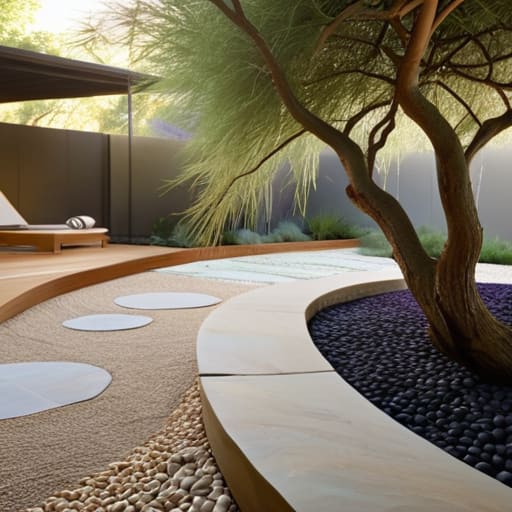
Beyond the geometry of shapes, true balance is about how a space feels when you step into it—the quiet breath of a garden that settles your spirit. To achieve this, I often look toward the concept of compositional weight and scale. It’s not just about placing a heavy stone bench opposite a large shrub; it’s about understanding how the eye travels. If I place a massive, ancient Oak—let’s call him Barnaby—on one side of a patio, I can’t just leave the other side empty and lonely. I need to counterbalance Barnaby’s gravity with a cluster of lighter, airy perennials or perhaps a sculptural water feature that draws the gaze back.
I also find myself leaning heavily on the importance of white space and negative space to let the design breathe. In my sketches, I often leave “empty” patches of moss or gravel; these aren’t just gaps, they are the pauses in a musical composition. Without these moments of stillness, the eye becomes overwhelmed, much like a crowded city street. By intentionally incorporating these voids, we create a sense of visual equilibrium that allows every single leaf and petal to truly shine.
Five Whispers of Equilibrium: My Secret Rituals for a Balanced Canvas
- Don’t let the heavyweights bully the little guys; I always make sure my structural anchors—like a sturdy, weathered stone bench or a majestic Oak named Barnaby—don’t visually swallow up the delicate, airy textures of my smaller perennials.
- Play with the rhythm of color to prevent visual fatigue, much like a soft melody in a song; use a dominant hue to ground the space, but introduce “pops” of vibrant life to lead the eye on a wandering, joyful journey through the garden.
- Embrace the power of negative space, because a garden that’s too crowded can feel like a conversation where everyone is shouting at once; leave room for the eye to rest on a simple gravel path or a patch of soft moss so the stars of your show can truly shine.
- Weight your textures as carefully as you would weight a sketch, balancing the rugged, tactile roughness of bark and slate against the silky, fluid movement of ornamental grasses like my dear, swaying friend, Willow.
- Use focal points as the heartbeat of your layout, placing a singular, captivating element—perhaps a hand-carved water feature or a sculptural specimen plant—to act as a gravitational center that pulls all the disparate design threads into one cohesive masterpiece.
The Final Brushstroke: Breathing Life into Your Vision
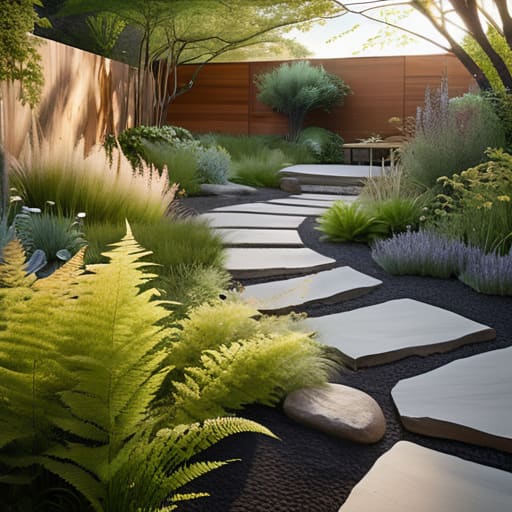
As we wrap up our journey through the intricacies of layout, remember that balancing a garden isn’t about achieving a sterile, mathematical perfection; it’s about finding the rhythm between the heavy weight of a stone feature and the airy lightness of a swaying fern. Whether you choose the formal, rhythmic elegance of symmetry or the organic, spontaneous energy of asymmetry, your goal is to ensure that every element—from the structural backbone of your hardscape to the delicate whispers of your flowering perennials—works in concert. By applying these principles of design, you aren’t just arranging objects; you are orchestrating a living dialogue where every plant and pathway serves a purpose in the larger, sustainable masterpiece you are building.
Before you pick up your shovel or head to the nursery, I want you to take a moment to simply sit in the space you are dreaming of. Close your eyes and imagine how the light will dance across the leaves of Barnaby, my favorite silver sage, or how the wind might rustle through the grasses at dusk. A truly balanced landscape is one that feels as though it has always belonged exactly where it is. Don’t be afraid to let your design evolve, to let it breathe, and to let it grow alongside you. After all, you aren’t just designing a yard; you are cultivating a sanctuary that will nurture the soul for years to come.