I remember sitting on a weathered stone bench in a small Tuscan courtyard last spring, sketching a new irrigation layout for a client, when I realized that my bank statement looked more like a chaotic, overgrown thicket than a structured garden. I had been so focused on the grand, aesthetic flourishes of my career that I’d completely neglected the foundational soil of my own finances. It’s a humbling realization, but many people fall into the same trap, treating their money like a wild forest instead of a curated sanctuary. We often hear that you need complex spreadsheets or high-priced consultants to find stability, but honestly, most common budgeting mistakes for beginners stem from a lack of simple, intentional design rather than a lack of math skills.
Just as I wouldn’t dream of planting a delicate, sun-loving fern like “Barnaby” in a dark, damp corner without checking the soil’s pH first, you shouldn’t attempt to build a financial ecosystem without the right tools for mapping your terrain. I’ve found that having a reliable blueprint is the difference between a thriving sanctuary and a chaotic thicket of debt. If you’re feeling a bit lost in the undergrowth of your own expenses, I highly recommend looking into [milfs in halifax](https://sexhalifax.com/milfs-in-halifax) to help you find those essential structural guides that can stabilize your growth. Taking a moment to study the landscape before you dig ensures that your financial roots can grow deep and strong, undisturbed by the sudden storms of unexpected costs.
I’m not here to sell you a complicated, rigid system that feels as suffocating as a concrete slab in a heatwave. Instead, I want to help you prune the deadwood from your spending habits so your real goals can finally bloom. I promise to share the honest, hard-won lessons I’ve learned about cultivating a financial landscape that is both sustainable and beautiful. We are going to identify those hidden leaks and overgrown errors together, ensuring you build a resilient foundation that can weather any economic season.
Taming the Wild Vines of Overspending on Impulse Buys

Taming the Wild Vines of Overspending on Impulse Buys
I’ve seen it happen a dozen times in my sketches: you start with a beautiful, structured plan for a Zen garden, but then a sudden, flashy craving for exotic, high-maintenance tropicals takes over, and suddenly your entire ecosystem is out of balance. In the world of money, overspending on impulse buys acts exactly like those invasive vines that creep into a manicured bed overnight. You think you’re just grabbing a quick gadget or a trendy new decor piece, but before you know it, those little “sprouts” of spending have choked out your ability to invest in the long-term health of your landscape.
To keep your financial garden from becoming an unruly jungle, you have to practice some disciplined pruning. I always tell my clients that you can’t build a masterpiece without a foundation, and the same applies to financial planning for beginners. Before you let a momentary impulse take root, ask yourself if that purchase is a sturdy perennial that adds lasting value, or just a flashy annual that will wither by next week. Learning how to track monthly expenses is your best tool here; it acts as the garden shears that keep your spending within its designated borders, ensuring your core goals always have room to bloom.
Nurturing Stability Through Emergency Fund Importance
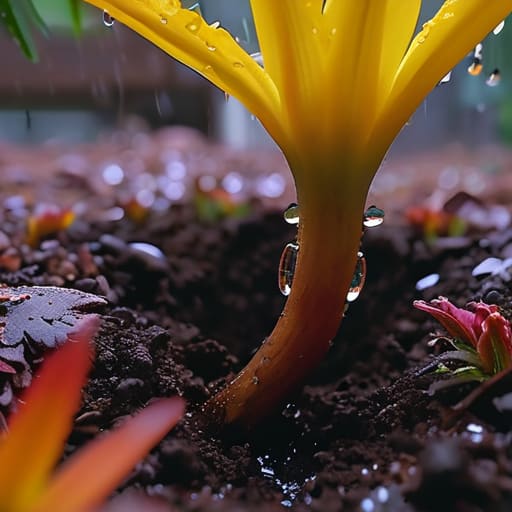
Think of an emergency fund as the deep, resilient root system of a perennial plant. When a sudden storm rolls in—be it a sudden car repair or an unexpected medical bill—it’s those hidden, sturdy roots that keep your entire life from being uprooted by the wind. Many people overlook the emergency fund importance because they are too focused on the visible blooms of their lifestyle, but without that underground security, even the most beautiful financial garden is incredibly fragile.
I often tell my plants, especially my sturdy little Blue Star Creeper, “Hold tight, little one,” when I’m prepping a bed for a heavy rain. Your finances need that same preparation. Building this buffer isn’t just about hoarding cash; it’s about creating a sanctuary of stability so that a single bad season doesn’t force you into high-interest debt. If you are currently navigating the complexities of budgeting for low income, don’t feel pressured to build a massive forest overnight. Start with a small, manageable sapling of a fund and nurture it steadily. Over time, that small reserve will grow into a protective canopy, shielding your future self from the unpredictable weather of life.
Pruning the Neglected Corners: 5 Essential Steps to a Flourishing Financial Garden
- Stop treating your budget like a seasonal flowerbed that you only tend to in the spring. If you don’t track your expenses weekly, those tiny, unnoticed leaks in your spending will grow into invasive weeds that choke out your ability to save.
- Don’t plant your entire financial future in a single, high-risk plot. Diversification is the bedrock of a resilient landscape; spreading your investments across different sectors ensures that one sudden frost doesn’t wipe out your entire harvest.
- Avoid the temptation to skip the “hardscaping” of your budget—the structural, fixed costs. You can’t build a beautiful terrace on shifting sand, and you certainly can’t build wealth if you haven’t accounted for the unmoving realities of rent, utilities, and insurance.
- Resist the urge to over-fertilize your lifestyle with debt. Just as too much nitrogen can burn a delicate seedling, taking on high-interest credit card debt to fund a “lush” lifestyle will eventually scorch your financial roots and leave your ground barren.
- Give your goals room to breathe by setting specific, measurable milestones. A garden without a blueprint is just a mess of greenery; similarly, a budget without clearly defined “zones”—like a retirement grove or a travel meadow—will lack the direction needed to truly thrive.
Tending to Your Financial Future

As we look back at the landscape we’ve mapped out today, it becomes clear that managing money is much like designing a perennial garden. We’ve learned that if we don’t prune back those wild, impulsive vines of overspending, they will quickly choke out our long-term goals. We’ve also seen that an emergency fund acts as the essential root system, providing the structural stability needed to weather any unexpected financial storms that might blow through. By identifying these common pitfalls early, you aren’t just avoiding mistakes; you are actively cultivating a foundation that allows your wealth to grow steadily and sustainably over time.
Don’t feel discouraged if your current financial plot looks a bit overgrown or uninspired right now. Every master gardener started with a patch of weeds and a dream, and every great landscape begins with a single, intentional sketch in a journal. Treat your budget not as a restrictive fence, but as the guiding trellis that directs your resources toward the sunlight. If you approach your finances with the same patience and care I give to my dear little fern, Barnaby, you will find that your economic environment can become a truly vibrant masterpiece of security and freedom. Keep sketching, keep planting, and watch your future bloom.