I was sitting on the floor of my studio last Tuesday, surrounded by a sea of dusty boxes from my childhood, when I realized I was suffocating. There I was, a landscape architect trained to find harmony in space, yet I was being held hostage by a chipped ceramic vase and a stack of faded postcards that felt more like anchors than treasures. We’ve been told that keeping everything is a way of honoring our past, but let’s be honest: decluttering sentimental items isn’t about erasing your history; it’s about pruning the deadwood so your real memories can actually breathe.
I’m not here to give you some clinical, “toss it all in a bin” advice that ignores the heartache involved. Instead, I want to share how I apply the principles of design and growth to the emotional weight of our belongings. I’ll show you how to curate your life with the same intention I use when sketching a new garden, ensuring you keep the pieces that truly nurture your soul while making room for the new growth waiting to happen.
Table of Contents
- Navigating the Emotional Attachment to Belongings
- Sorting Through Family Mementos With Grace
- Cultivating Clarity: Five Ways to Prune Your Past for a Brighter Future
- Cultivating a Legacy of Meaning Over Mass
- Cultivating Space for New Memories
- Cultivating Space for What Truly Matters
- Frequently Asked Questions
Navigating the Emotional Attachment to Belongings
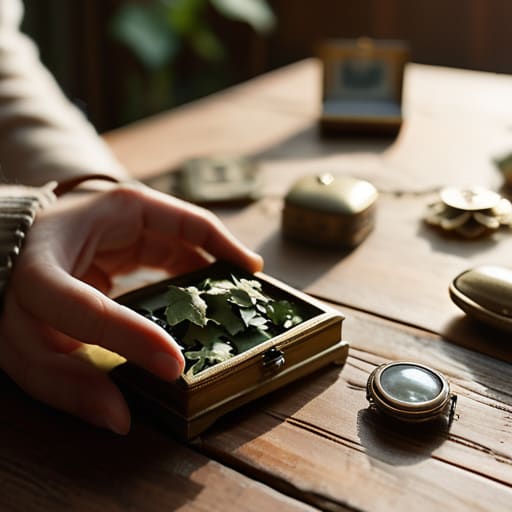
I often find that my most challenging design projects aren’t the ones with difficult terrain, but the ones where the history of the site feels too heavy to move. It’s much like sorting through family mementos; you aren’t just moving objects, you are navigating the ghosts of who we used to be. When I sit down with my sketchbook, I realize that the emotional attachment to belongings can feel as thick and tangled as overgrown ivy in an abandoned courtyard. We cling to these items because we fear that if the object vanishes, the memory it anchors will wither and die, leaving us spiritually barren.
To move forward, we have to learn how to prune the excess without killing the root. I’ve found that the best way to manage this is through intentional memory preservation techniques that don’t require physical square footage. Instead of letting a heavy, dust-gathering heirloom crowd your sanctuary, consider digitalizing old photographs or creating a curated “memory box” that acts like a small, protected conservatory for your most precious recollections. This allows the essence of the past to breathe without stifling the growth of your present life.
Sorting Through Family Mementos With Grace
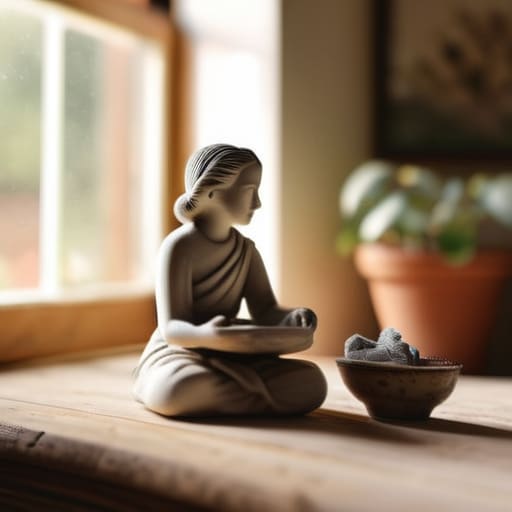
When I sit down with my sketchbook to plan a new garden, I often find myself looking at a tangled thicket of overgrown shrubs. It’s much like sorting through family mementos; you can’t simply rip everything out without understanding what roots are actually holding the soil together. When I approach my grandmother’s old collection of ceramic garden ornaments, I don’t see clutter. I see stories. However, to prevent these stories from becoming a heavy weight, I suggest a gentle pruning process. Ask yourself: does this piece nourish your current life, or is it merely taking up space where new growth should occur?
If the physical object feels too cumbersome, consider modern memory preservation techniques to lighten the load. I’ve found that digitalizing old photographs or even taking high-resolution macro shots of a delicate heirloom allows the essence of the item to remain while freeing up your physical sanctuary. It’s about finding that sweet spot between honoring the past and embracing a lighter, more intentional future. Just as I wouldn’t crowd a Zen garden with too many stones, your home deserves room to breathe.
Cultivating Clarity: Five Ways to Prune Your Past for a Brighter Future
- Curate a “Memory Garden” through photography; instead of letting a heavy, dusty heirloom take up precious real estate in your sanctuary, snap a high-resolution photo of it. This allows the essence and the story of the object to live on in a digital gallery, freeing up physical space for new growth without losing the soul of the memory.
- Practice the “Seasonal Rotation” method; if you find it too overwhelming to let go of everything at once, treat your keepsakes like perennials. Keep only a small, rotating selection of items on display to honor the season of your life, and tuck the rest away in a dedicated “memory trunk” to prevent emotional clutter from overgrowing your living space.
- Honor the “Living Legacy” of objects; ask yourself if an item is truly serving its purpose or if it’s just stagnating like an unwatered fern. If a piece of jewelry or a vintage tool no longer brings you joy, consider gifting it to someone who will cherish it—passing the life force of the object to a new owner is a beautiful way to let it bloom elsewhere.
- Use the “Sensory Anchor” technique; when an object feels too heavy to part with, try to distill its meaning into a smaller, more manageable form. If a large, cumbersome quilt holds too much weight, perhaps a small swatch of its fabric can be framed or kept in a journal, preserving the tactile connection without the physical burden.
- Designate a “Sacred Soil” zone; create one specific, beautiful space—perhaps a single shelf or a curated shadow box—dedicated solely to your most precious mementos. By limiting the “planting area” for sentimental items, you force yourself to be intentional, ensuring that only the most vibrant, meaningful stories are given the room to breathe.
Cultivating a Legacy of Meaning Over Mass
Treat your belongings like a curated perennial garden; instead of letting every old relic crowd your space, select only the pieces that truly bloom with memory and purpose.
Honor the spirit of an object rather than its physical form, recognizing that a photograph or a digital story can preserve a loved one’s essence without occupying precious square footage.
Create room for new growth by releasing the heavy, stagnant items that no longer serve your journey, ensuring your personal landscape remains a vibrant sanctuary rather than a cluttered museum.
Cultivating Space for New Memories
“Just as I wouldn’t let invasive weeds choke the life out of a budding perennial, we mustn’t let the weight of uncurated relics stifle the living, breathing present; true stewardship of our history means knowing which memories to plant in our hearts and which to gently release back into the earth to make room for new growth.”
Francesco Fletcher
Cultivating Space for What Truly Matters
As we reach the end of this journey through your personal archives, remember that decluttering isn’t about erasure; it’s about intentionality. We’ve explored how to navigate those heavy emotional tides, how to honor the legacies of those who came before us, and how to sort through mementos without losing our sense of self in the process. Just as I wouldn’t crowd a meticulously designed Zen garden with every sapling I’ve ever rescued, you shouldn’t feel obligated to keep every physical relic to preserve a memory. By choosing to keep only the pieces that truly resonate with your current spirit, you are effectively pruning the deadwood to allow your most cherished history to bloom with newfound clarity.
Ultimately, your home should feel like a sanctuary, a living landscape that breathes alongside you rather than weighing you down with the ghosts of the past. Think of this process as preparing the soil for a new season of life. When you clear away the excess, you aren’t just tidying a room; you are making sacred room for new growth and fresh experiences to take root. Let your belongings tell a story of where you are going, not just where you have been. Go forth with a light heart, and remember: the most beautiful gardens are those that leave room for the light to reach the ground.
Frequently Asked Questions
How can I honor the memory of a loved one without letting their heavy, unused belongings crowd out the living energy of my home?
Think of your home as a living ecosystem rather than a museum. When a beloved object feels too heavy, it’s often because its “energy” has become stagnant. I like to curate a “memory garden” within my home—selecting one or two truly soulful pieces to hold center stage, while letting the rest transition into new roles. Perhaps a quilt becomes a cozy wrap, or a vintage vase finds life with a new cutting. Honor the spirit, not the clutter.
Is there a way to preserve the "soul" of a sentimental object through photography or art if I decide the physical item itself is too cumbersome to keep?
Absolutely. Think of it like taking a cutting from a beloved perennial; you’re preserving the essence even if the original root system has to move on. I often do this in my sketches—capturing the way light hits a specific fern, let’s call him Barnaby, through a photograph. A high-resolution photo or even a quick charcoal sketch transforms a bulky heirloom into a lightweight, visual memory, allowing the object’s spirit to live on without crowding your sanctuary.
How do I navigate the guilt of letting go when I feel like I'm discarding a piece of my own history or my family's legacy?
Think of your history not as a collection of heavy stones, but as the nutrient-rich soil that allows you to grow. When I struggle with letting go of an old sketch or a dried bloom, I remind myself that a garden needs space to breathe to thrive. You aren’t discarding your legacy; you are pruning the overgrown branches to let the sunlight reach the new shoots. Honor the essence, then release the weight.