I still remember standing in my grandmother’s kitchen, surrounded by a cloud of steam and the heavy, intoxicating scent of roasted garlic and thyme. There was no fancy culinary degree on the wall, no expensive sous-vide machine on the counter—just a battered pot and a sense that something truly magical was happening. Most modern cooking blogs try to turn the simplest tasks into a high-stakes science experiment, but they completely miss the point of how to make soup that actually tastes like home. You don’t need a twenty-step checklist or a pantry full of obscure, overpriced spices to create something that sticks to your ribs.
I’m not here to waste your time with fluff or “kitchen hacks” that actually make your life harder. Instead, I’m going to give you the raw, unvarnished truth about building layers of flavor from scratch. We are going to strip away the pretension and focus on the fundamental techniques that actually matter. By the time we’re done, you’ll have the confidence to look at a random pile of vegetables in your fridge and know exactly how to turn them into a masterpiece of comfort.
Table of Contents
Decoding the Soul Stock vs Broth for Soup
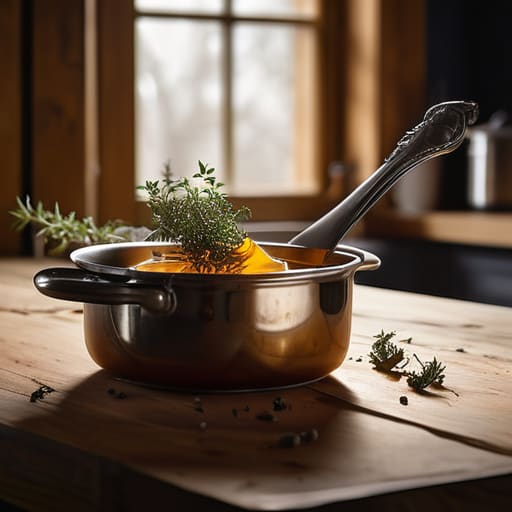
Before you even grab a knife, you have to tackle the biggest debate in the kitchen: stock vs broth for soup. I used to think they were interchangeable, but once you taste the difference, there’s no going back. Think of stock as the heavy lifter; it’s made by simmering bones, which pulls out all that rich collagen and deep, savory goodness. If you want a liquid that feels substantial and coats the back of a spoon, stock is your best friend.
Broth, on the other hand, is much lighter and more delicate. Since it’s usually made from just meat and aromatics without the bones, it’s thinner and more focused on clean, bright flavors. For those just starting with soup making for beginners, I usually recommend starting with a high-quality broth if you want something easy to sip, or a rich stock if you’re building a hearty stew. Getting this foundation right is the secret to mastering your soup base ingredients before you even think about the garnish.
Essential Soup Seasonings to Elevate Every Spoonful
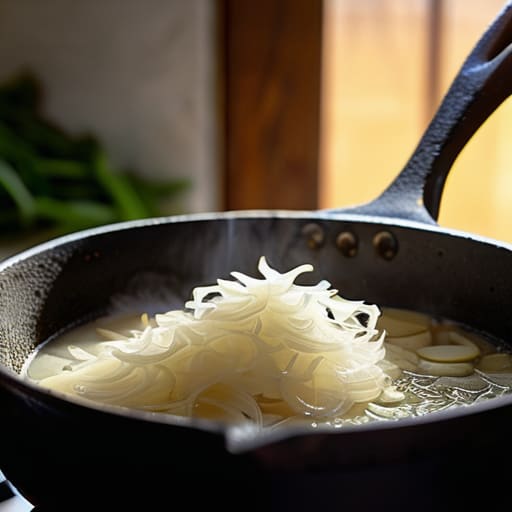
Once you’ve nailed down your liquid foundation, it’s time to talk about the real magic: the flavor builders. Think of your essential soup seasonings as the heartbeat of the pot. Most people make the mistake of just dumping salt in at the end, but that’s a rookie move. Instead, try building layers. Start with the aromatics—garlic, onions, and maybe some fresh ginger—and let them sweat down before you even touch your liquid. This creates a deep, complex profile that makes people wonder what your “secret ingredient” is.
Don’t be afraid to get a little adventurous with your pantry staples. A splash of soy sauce, a squeeze of lemon, or even a pinch of red pepper flakes can transform a bland pot into something spectacular. If you’re working with vegetable soup preparation, adding a bay leaf or a few peppercorns during the early stages of cooking is a total game-changer. It’s all about that slow release of flavor; the goal is to let those spices dance together while you’re using your preferred simmering techniques for flavor to meld everything into one cohesive, delicious masterpiece.
The Secret Sauce: 5 Pro Moves for Better Bowls
- Don’t be afraid to sauté your aromatics. Throwing onions, garlic, and carrots into the pot with a bit of fat before adding your liquid is the difference between a “watery vegetable soup” and something that actually tastes like it took effort.
- Salt as you go, not just at the end. If you wait until the very last minute to season, you’ll end up with a salt bomb. Instead, add a tiny pinch after every major step so the flavors build up naturally.
- Respect the simmer. Once your liquid is in, turn the heat down. A violent, rolling boil will break your vegetables into mush and turn your beautiful stock cloudy; you want a gentle, lazy bubble that keeps everything intact.
- Acid is your best friend. If you taste your soup and it feels “flat” or heavy despite having enough salt, add a squeeze of lemon juice or a splash of vinegar. That little hit of brightness wakes up the whole pot.
- Texture is everything. Try to vary how you cut your ingredients. Having some soft, melt-in-your-mouth bits alongside something with a little more bite keeps your palate from getting bored halfway through the bowl.
The Soup Maker’s Cheat Sheet
Don’t settle for mediocre liquid; choose a rich stock for depth or a light broth for clarity depending on the vibe of your bowl.
Layer your flavors by starting with a solid seasoning base—salt, pepper, and herbs aren’t just extras, they’re the foundation.
Trust your nose more than the recipe; if the aromatics don’t smell incredible, keep tweaking before you add the liquid.
## The Heart of the Pot
“A great soup isn’t something you follow a recipe for; it’s something you listen to. You wait for that exact moment when the aromatics hit the oil and the steam starts to smell like home, because that’s when the magic actually starts.”
Writer
The Final Simmer
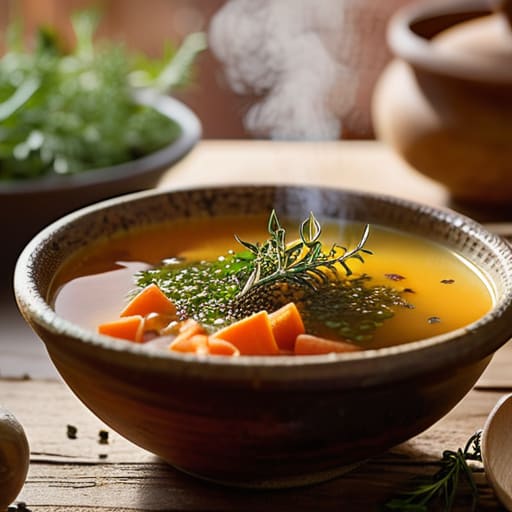
At the end of the day, making a great soup isn’t about following a rigid, scientific formula; it’s about understanding how the layers work together. You’ve learned that the foundation starts with choosing the right liquid, whether you need the deep richness of a stock or the lighter touch of a broth. You’ve seen how a few well-placed seasonings can transform a bland pot of water into something truly extraordinary. Remember, once you have those basics down, you aren’t just following a recipe anymore—you are building flavor from the ground up, one delicious spoonful at a time.
So, grab your favorite heavy-bottomed pot, clear some space on the counter, and just start cooking. Don’t be afraid to let the steam fog up your glasses or to taste as you go to see if it needs a little more salt or a squeeze of lemon. Soup is one of the most intimate ways to care for yourself and the people you love. It’s more than just nutrition; it’s a warm hug in a bowl that stays with you long after the meal is over. Now, go turn up the heat and make something magic.
Frequently Asked Questions
Can I use frozen vegetables, or will they turn my soup into mush?
Short answer: Yes, absolutely. Long answer: Just don’t treat them like fresh veggies. Frozen vegetables are usually blanched before freezing, so they’re already halfway cooked. If you toss them in at the beginning with your onions and garlic, they’ll definitely turn into mush. Instead, wait until the very end—maybe the last five to ten minutes of simmering—just to heat them through. They’ll keep their color and that much-needed bite.
How do I fix a soup that turned out way too salty?
The Great Salt Rescue: How to Save a Salty Soup
Is it better to use fresh herbs or dried ones when I'm simmering everything?
Think of it like this: dried herbs are your marathon runners, while fresh herbs are the sprinters. Since you’re simmering, toss the dried ones in early—they need that heat and time to actually wake up and release their oils. Save the fresh stuff for the very end. If you boil delicate fresh basil or cilantro for an hour, you’re just making bitter, sad water. Stir those bright greens in right before serving for that real punch.
