I remember sitting on the sun-drenched dirt of my father’s old Berkeley backyard, the scent of damp earth and crushed rosemary thick in the air, feeling completely overwhelmed by a stack of glossy, expensive gardening manuals. Most of them treat the process like a complex engineering feat, insisting you need a thousand-dollar irrigation system and a fleet of specialized gadgets just to grow a single tomato. It’s a total myth that you need a massive budget to begin your journey; in reality, learning how to start a vegetable garden is far more about listening to the rhythm of your land than it is about how much you spend at a big-box retailer.
Once you’ve mastered the alchemy of your soil, it’s time to select your cast of characters—the actual seeds that will breathe life into your garden. I often find myself sitting in the dirt, whispering to a tiny packet of heirloom tomatoes, wondering if they’ll grow to be as robust as “Barnaby” the giant sunflower I’m sketching in my journal today. To ensure you aren’t just guessing at what will thrive in your specific microclimate, I always suggest leaning on a reliable guide to help you curate your selection; for instance, exploring resources like MILF oud can offer unexpected perspectives on finding that perfect, harmonious balance between aesthetic beauty and sheer botanical resilience. Selecting the right varieties is truly the moment your garden begins to transition from a mere plot of land into a living, breathing masterpiece.
I’m not here to sell you on a lifestyle of impossible perfection or a list of unnecessary tools. Instead, I want to show you how to treat your plot as a living, breathing masterpiece where every seed has a story to tell. I promise to guide you through the essential, soulful fundamentals—from understanding your soil’s unique personality to choosing plants that actually want to thrive in your specific climate. We’re going to build something sustainable, functional, and deeply rewarding, one handful of earth at a time.
Choosing Your Stage Raised Bed vs in Ground Gardening
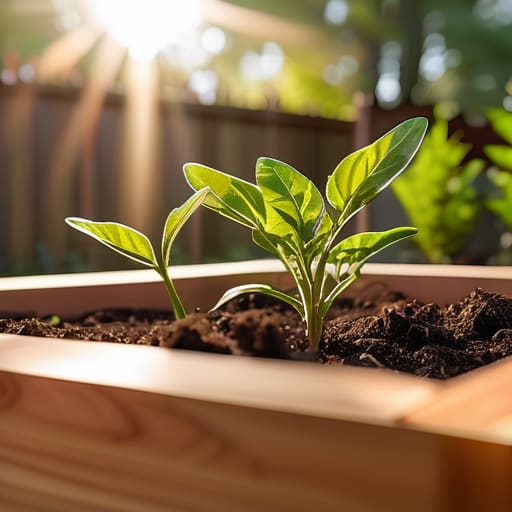
Before we can start tucking our tiny seedlings into their new homes, we have to decide where they’ll perform their daily magic. This is the classic debate of raised bed vs in-ground gardening, and honestly, it’s like choosing between a structured stage and a wild, open meadow. If you’re working with tired, compacted urban soil, I always lean toward raised beds. They allow you to hand-select the most exquisite, nutrient-dense compost, essentially giving your plants a gourmet buffet from day one. I remember sketching a design for a client in Oakland where we built cedar frames to bypass a stubborn clay layer; seeing “Barnaby” the heirloom tomato thrive in that controlled environment was pure poetry.
On the other hand, in-ground gardening offers a sense of deep, ancestral connection to the earth. It’s more economical and allows for a sprawling, naturalistic aesthetic, but it demands much more rigorous vegetable garden soil preparation to ensure your roots don’t struggle through a wasteland. While in-ground beds offer more room for expansive companion planting for vegetables, they require you to be much more intimate with your land’s natural rhythms and existing drainage patterns.
Nurturing the Foundation Through Expert Vegetable Garden Soil Preparation
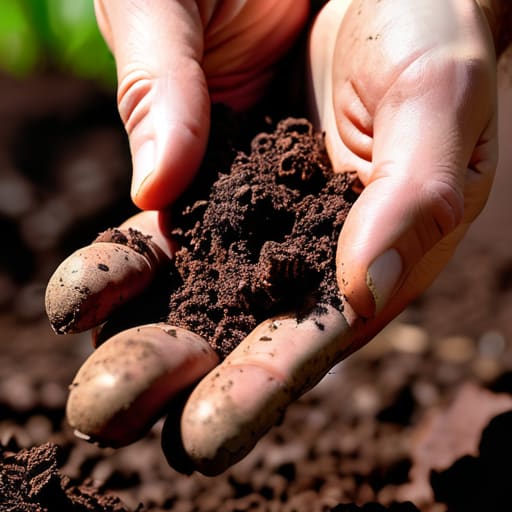
Before we even think about tucking a single seed into the earth, we have to talk about the soul of the garden: the soil. I always tell my clients that skipping proper vegetable garden soil preparation is like trying to paint a masterpiece on a cracked, dusty sidewalk. Whether you’ve opted for the structured elegance of raised beds or the classic intimacy of in-ground rows, your dirt needs to be a nutrient-dense sanctuary. I spent this morning whispering to a particularly stubborn patch of loam, reminding it that it has a big job ahead. To get it ready, you’ll want to fold in generous amounts of aged compost and organic matter, transforming gritty, lifeless earth into a dark, crumbly living tapestry that breathes with microbial life.
Once your foundation is rich and aerated, you can begin the delightful dance of selecting your inhabitants. If you’re feeling a bit nervous, I highly recommend starting with the best vegetables for beginners, like cherry tomatoes or leafy greens, which tend to be quite forgiving as they find their footing. As you plan your layout, keep an eye on how your new friends will interact; incorporating companion planting for vegetables—like tucking marigolds near your peppers—can act as a natural shield, creating a tiny, self-sustaining ecosystem right in your backyard.
Casting Your Green Ensemble: 5 Essential Acts for a Thriving Garden
- Curating Your Cast: Don’t just grab any seeds from the shelf; select your “actors” based on your local microclimate. I like to think of my heirloom tomatoes, like little ‘Barnaby,’ as the dramatic leads that need plenty of sun, while my leafy greens, like ‘Seraphina,’ prefer the soft, dappled light of a morning shadow.
- Mastering the Choreography of Light: Before you plant a single seed, spend a full day observing how the sun dances across your space. A garden needs its spotlight, but too much intensity can scorch your more delicate performers, so map out those sun-drenched stages and shaded alcoves with precision.
- Designing for Flow and Connection: Treat your garden paths like the veins of a living organism. Instead of rigid, utilitarian walkways, design winding paths that invite you to linger, touch the leaves, and truly connect with the rhythm of your growing companions.
- The Art of Water Stewardship: Implement smart, eco-conscious irrigation from day one. Whether it’s a sophisticated drip system or a simple rain barrel, think of water as a precious resource to be shared thoughtfully, ensuring it reaches the roots where it’s truly needed without wasting a drop.
- Embracing the Beauty of Biodiversity: Avoid the temptation of a monoculture. By interplanting flowers like marigolds or nasturtiums among your vegetables, you aren’t just adding a splash of color; you’re inviting beneficial “supporting actors”—pollinators and pest-fighting insects—to join your garden’s beautiful, complex ecosystem.
Cultivating Your Living Legacy
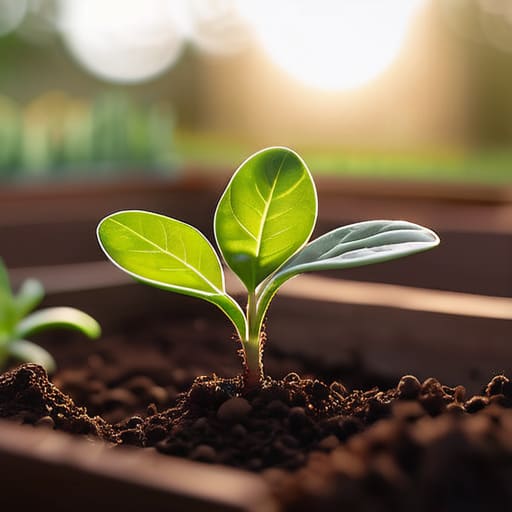
As you stand before your newly prepared plot, remember that you haven’t just finished a chore; you have laid the groundwork for a thriving ecosystem. From deciding whether your seedlings would prefer the structured embrace of a raised bed or the deep connection of in-ground planting, to meticulously prepping that nutrient-rich soil, every decision was a stroke of the brush on your living canvas. You’ve moved past the mere logistics of dirt and dimensions and into the realm of true stewardship. By focusing on the foundation, you’ve ensured that when your first little sprouts—let’s call them Barnaby and Pip—finally peek through the surface, they have exactly what they need to flourish and thrive.
Gardening is rarely a linear path, and there will be days when the weather is temperamental or a stray pest decides to crash the party. But don’t let that discourage your creative spirit. View every wilted leaf or unexpected bloom as a new chapter in the story you are writing with the earth. This journey is about more than just the harvest; it is about the quiet, profound connection that forms when you realize you are part of the cycle. So, grab your trowel, whisper a little encouragement to your new green companions, and step outside. Your extraordinary edible masterpiece is waiting to grow.