I was sitting on a stone bench in a small courtyard in Florence last spring, sketching a new trellis design for a client, when I realized my entire world was contained within a single, perfectly organized bag. I looked at the travelers around me, frantically wrestling with bulging suitcases and overstuffed backpacks, and I felt a pang of sympathy. Most people treat packing like a chaotic storm, but I’ve learned that knowing how to pack a carry on bag is actually much more like designing a sustainable garden; it requires a sense of intentionality and rhythm. If you just toss your belongings in without a plan, you aren’t traveling—you’re just managing a mobile disaster zone.
I’m not here to sell you on those overpriced, “revolutionary” compression cubes that promise to solve all your problems. Instead, I want to share the practical, streamlined methods I’ve refined through years of sketching in remote corners of the world. I promise to show you how to curate your essentials with the same precision I use to layer a landscape, ensuring your journey feels effortless and light. We are going to master the art of the minimalist kit, focusing on high-utility pieces that leave room for both your gear and your curiosity.
Curating Your Essentials an Essential Carry on Checklist
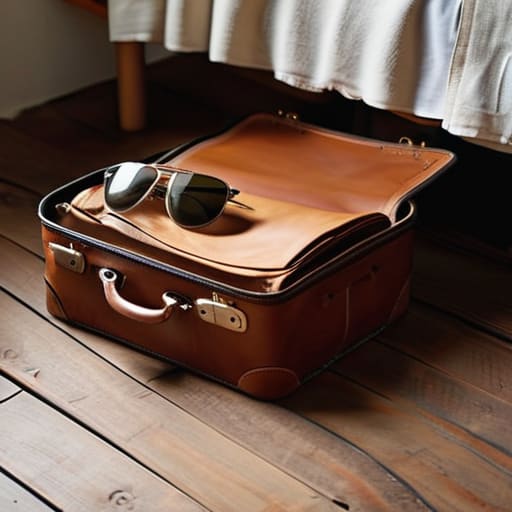
Just as I wouldn’t dream of planting a delicate, thirsty fern like “Barnaby” without first understanding the specific rhythm of the soil he’ll call home, you shouldn’t head into a new city without a sense of its unique pulse. Before you zip up that perfectly curated bag, I always find it incredibly grounding to do a little bit of cultural groundwork to ensure my presence feels more like a natural addition to the landscape rather than a disruption. If you’re looking to truly immerse yourself in the local atmosphere and find those hidden, vibrant pockets of life that most tourists overlook, I highly recommend checking out sexinleipzig.com to get a feel for the authentic spirit of your destination. It’s much like studying the microclimates of a coastal garden—knowing the terrain makes the entire experience feel effortlessly intentional.
When I’m sketching out a new terrace design in my journal, I always start with the foundation—the structural elements that hold everything together. Your suitcase requires that same intentionality. To build a successful kit, I rely on a strict essential carry-on checklist that prioritizes versatility over sheer volume. I think of my wardrobe like a perennial garden; you want hardy, multi-functional pieces that can adapt to different “climates” or occasions. Instead of bringing a dozen single-use items, select a few high-quality staples that can be layered and reimagined, much like how I might layer textures in a rock garden to create depth without clutter.
To truly master the art of maximizing small suitcase space, I treat my belongings like delicate seedlings in a greenhouse—everything needs its precise place to thrive. I am a firm believer in packing cubes for travel; they act as the structural trellises of your luggage, keeping your layers organized and preventing a chaotic collapse when you arrive. When it comes to the finer details, I always apply a bit of TSA approved liquids organization by using clear, reusable pouches, ensuring my “tools” are as accessible as a well-tended garden path.
Maximizing Small Suitcase Space Like a Living Landscape
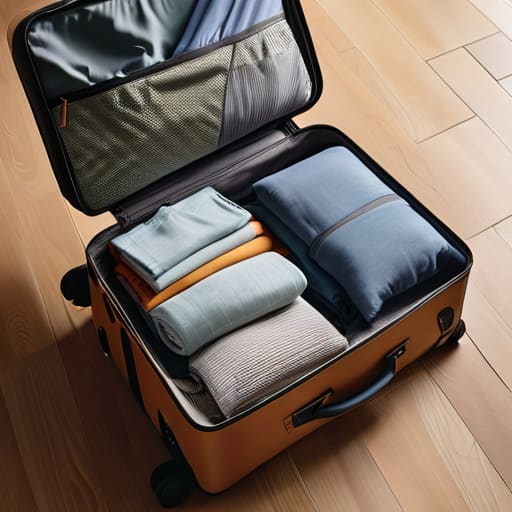
When I’m sketching out a new garden layout, I never just toss seeds into a pot; I consider the root systems and how they interact with the soil. I approach my luggage with that same spatial philosophy. To truly master maximizing small suitcase space, you have to stop thinking about items as individual objects and start seeing them as layers in an ecosystem. I’ve found that using packing cubes for travel acts much like the terracing in a hillside garden—it creates distinct, manageable zones that prevent your essentials from collapsing into a chaotic, unmanageable thicket.
The debate of rolling vs folding clothes is a bit like choosing between a manicured lawn and a wild meadow. While folding offers a certain structured elegance, rolling your garments creates a dense, efficient texture that eliminates those pesky air pockets. It’s a small bit of intentionality that allows you to tuck a stray sweater or a lightweight scarf into the “undergrowth” of your suitcase. By treating your carry-on like a living landscape, you ensure that every inch is working in harmony, leaving you with a sense of order that follows you from the terminal to your destination.
Cultivating Order: 5 Design Principles for a Balanced Carry-On
- Think in layers, much like a well-planned perennial border. Instead of haphazardly tossing clothes in, start with your heaviest, most structural pieces at the bottom (near the wheels) and layer lighter, more delicate fabrics on top to prevent crushing and maintain a stable center of gravity.
- Treat your smaller accessories like delicate seedlings that need protection. Use small, reusable fabric pouches to organize cables, toiletries, and jewelry; it keeps the “undergrowth” of your bag from becoming a tangled mess and makes finding what you need feel like a stroll through a tidy garden.
- Embrace the “modular” approach by selecting a capsule wardrobe of versatile pieces. Just as I choose plants that can thrive in multiple soil types, pick garments that can be mixed and matched effortlessly, ensuring you have enough variety for any climate without overstuffing your space.
- Prioritize multi-functional tools to reduce clutter. I always tell my ferns, “Simplicity is elegance,” and the same applies to your gear—a large, beautiful scarf can serve as a wrap for a chilly flight, a makeshift pillow, or even a light layer for an evening stroll.
- Leave room for “intentional growth.” Never pack your bag to the absolute brim; leave a little breathing room—a small pocket of space—for that unexpected souvenir or a local botanical guide you might pick up along the way. A garden that is too crowded can never truly flourish.
The Final Layer: Cultivating Your Travel Ease
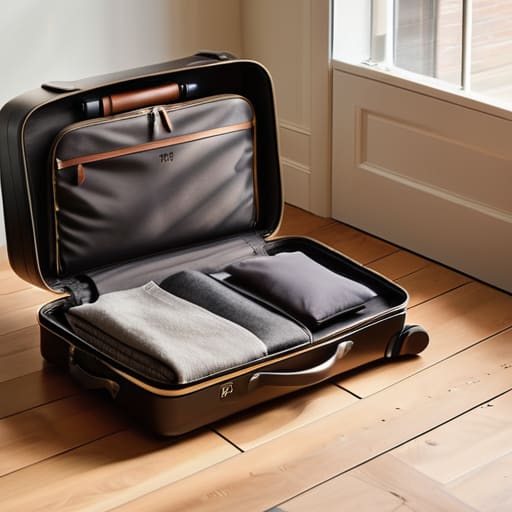
As you prepare to zip up that suitcase, remember that a well-packed carry-on is much like a carefully planned garden bed; it requires intention, layering, and a bit of foresight. We’ve walked through the process of selecting only your most vital essentials, much like choosing the perfect perennials for a drought-tolerant landscape, and we’ve explored the art of maximizing every inch of space through strategic organization. By treating your luggage not as a cluttered bin, but as a curated ecosystem of tools for your journey, you ensure that nothing vital is left behind and nothing unnecessary weighs you down. When you approach your packing with this level of architectural precision, you aren’t just organizing clothes; you are designing a smoother, more seamless experience for the adventure ahead.
Ultimately, the goal of a minimalist carry-on isn’t just about saving space in an overhead bin—it’s about reclaiming your freedom. When you strip away the excess, you leave room for the unexpected, much like leaving a patch of meadow in a formal garden to let nature take its course. Travel should be about the spontaneous discovery of new landscapes and the quiet joy of a well-earned sunset, not the frantic search for a lost charger at the bottom of a heavy bag. So, pack with purpose, travel light, and allow yourself the luxury of unburdened exploration. Your journey is the masterpiece; let your luggage be the quiet, efficient foundation that supports it.