I’m going to say something that might make the “wellness gurus” cringe: you don’t need a $500 pressure cooker or a dozen exotic spices to make a decent meal. For years, I watched people treat dried legumes like some high-maintenance science experiment, convinced that if they didn’t follow a twenty-step ritual, they’d end up with a pot of mushy, flavorless sludge. But let’s be real—learning how to cook beans and lentils shouldn’t feel like you’re studying for a chemistry final. Most of the “pro tips” out there are just unnecessary fluff designed to make a simple process seem more complicated than it actually is.
I’m not here to sell you on a lifestyle or a fancy gadget; I’m here to give you the straight talk from someone who has spent way too many hours hovering over a stovetop. I’ve made every mistake in the book so you don’t have to, from the rock-hard lentils to the overcooked bean disasters. In this guide, I’m stripping away the nonsense to show you the tried-and-true methods that actually work. We’re going to get straight to the point so you can spend less time worrying about simmer times and more time actually enjoying your food.
Table of Contents
The Great Debate Soaking Dried Beans vs No Soak
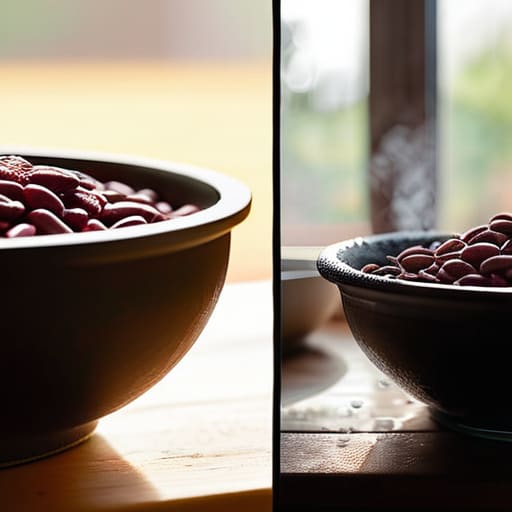
Look, if you’ve ever spent an afternoon staring at a pot of stubborn kidney beans, you know the struggle is real. This is the ultimate showdown: soaking dried beans vs no soak. On one side, you have the traditionalists who swear by an overnight soak to soften the skins and cut down on digestion issues. On the other, you have the “I need dinner now” crowd who skip the prep and head straight for the heat.
The truth? Both methods work, but they change the vibe of your dish. Soaking is generally the gold standard for achieving that perfectly creamy interior without the beans turning into mush. It also plays a huge role in how to prevent gas from beans, as it helps wash away those complex sugars that cause the most trouble. However, if you’re using a modern pressure cooker, you can often bypass the long wait entirely. If you’re short on time, just embrace the “no soak” life—just be prepared to add a bit more liquid and a little extra patience to your stovetop legume preparation.
Stovetop Legume Preparation for Perfect Texture Every Time
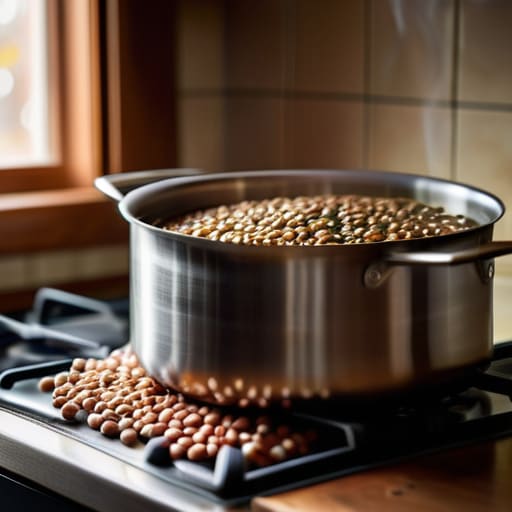
Once you’ve decided on your soaking strategy, it’s time to actually get the heat going. For most of us, the stovetop is the gold standard for control. The secret to avoiding that mushy, disintegrated mess is all about the gentle simmer. You want to bring your pot to a boil, then immediately drop it down to a low, steady bubble. If you crank the heat too high, you’ll end up with a pot of broken skins and a grainy interior. Keep a close eye on the clock, though, because cooking times for different lentils can vary wildly—red lentils might turn into a puree in ten minutes, while green ones need much longer to find their bite.
Don’t forget that seasoning is just as important as the temperature. While the beans are softening, start layering in your aromatics. I always suggest adding a bay leaf or a smashed clove of garlic early on to infuse the liquid. If you’re worried about the dreaded bloating, adding a pinch of kombu or cumin is a classic way to help with digestion. Just remember: salt late. Adding too much salt at the very beginning can sometimes toughen up the skins, so wait until they’re nearly tender before you go heavy on the shaker.
Five Pro Moves for Beans That Actually Taste Good
- Don’t be a salt snob too early. While some swear by salting the water immediately, I’ve found that adding salt too soon can sometimes toughen up the skins. Wait until they’re halfway through their cooking journey to season—it’s much safer for achieving that creamy interior.
- Throw in a flavor bomb. Cooking beans in plain water is a missed opportunity. Toss in a smashed garlic clove, a bay leaf, or even a piece of kombu (dried seaweed) to infuse them with depth while they simmer. It makes a world of difference.
- Watch the acid trap. If you’re adding tomatoes, lemon juice, or vinegar, wait until the beans are completely soft. Acid is a flavor superstar, but it’s also a texture killer; adding it too early can prevent your beans from ever softening up.
- Use the “mash test” for lentils. Unlike dried beans, lentils don’t need much warning. Check them frequently once they start getting tender. You want them to hold their shape for salads, but if you’re making a dal, let them go a few minutes longer until they start to break down.
- Keep an eye on the liquid levels. There’s nothing worse than reaching for your beans only to find a pot of scorched sludge. If you’re cooking on the stovetop, keep a kettle of hot water nearby so you can top them off without dropping the temperature of the pot.
The Cheat Sheet for Bean Success
Don’t skip the soak if you have the time; it’s the easiest way to avoid that heavy, bloated feeling and get a much creamier texture.
Stop following the package instructions blindly—every bean is different, so taste as you go and adjust your simmer time until they’re exactly how you like them.
Season late in the game; adding salt or acidic ingredients too early can toughen up the skins, leaving you with beans that are stubbornly firm.
The Golden Rule of Legumes
“Forget those canned shortcuts for a second; there is a soulful, transformative magic in watching dried beans slowly soften into something creamy and perfect. It’s not just cooking—it’s a lesson in patience that pays off in every single bite.”
Writer
Bringing It All Home
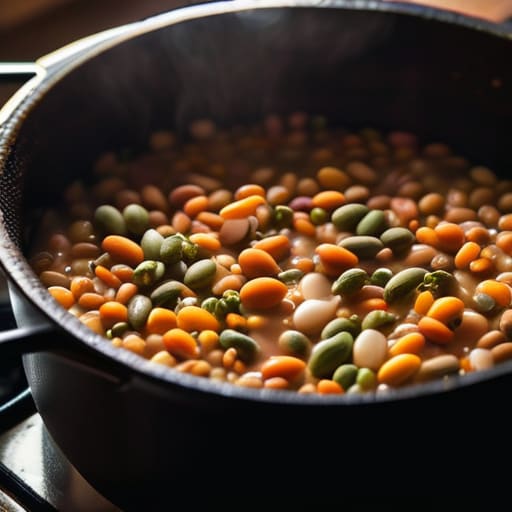
At the end of the day, mastering beans and lentils isn’t about following a rigid, scientific formula; it’s about understanding the rhythm of the simmer. Whether you decided to commit to that overnight soak for the ultimate creamy texture or opted for the quick-start no-soak method to save time, the goal is consistency. Remember to keep a close eye on your liquid levels, season with intention, and never—under any circumstances—rush the process with high heat. Once you nail that balance between a tender bite and a structural hold, you’ve officially unlocked a kitchen superpower that will serve you for a lifetime.
Don’t let the fear of a mushy pot or a hard bean keep you from experimenting. Cooking legumes is a beautiful, slow dance that rewards patience more than anything else. There is something deeply grounding about turning a handful of hard, dry seeds into a nourishing, soul-warming meal right on your own stove. So, grab your favorite heavy-bottomed pot, get comfortable with the process, and start making mistakes. That is exactly how you move from simply following a recipe to truly understanding the art of the cook. Happy simmering!
Frequently Asked Questions
Can I use a pressure cooker or Instant Pot to skip the long soaking process?
Short answer: Absolutely. If you’re staring at a pile of dry beans and realizing you forgot to soak them last night, the Instant Pot is your new best friend. You can skip the overnight soak entirely and jump straight to pressure cooking. It’s a total game-changer for busy weeknights. Just keep in mind that lentils cook even faster, so watch those timers closely—you don’t want mushy lentils!
How do I know when my beans are actually done without turning them into mush?
The “bite test” is your best friend here. Don’t rely on a timer; every bean has its own personality. Take one out, let it cool for a second so you don’t burn your tongue, and press it between your teeth. You’re looking for a creamy center with just a tiny hint of resistance—what chefs call al dente. If it’s chalky, they need more time. If it’s mush, you’ve gone too far.
Is it okay to add salt or acidic ingredients like tomatoes right at the beginning, or will that mess up the cooking time?
Hold your horses on the acid! If you toss in tomatoes, lemon juice, or vinegar right at the start, you’re basically asking for rock-hard beans. Acid tightens up those skins and can keep them from softening no matter how long you simmer. As for salt? That’s a different story. Adding salt early is totally fine—and actually helps season them deeply—but save the tangy stuff for the very end once they’re tender.
